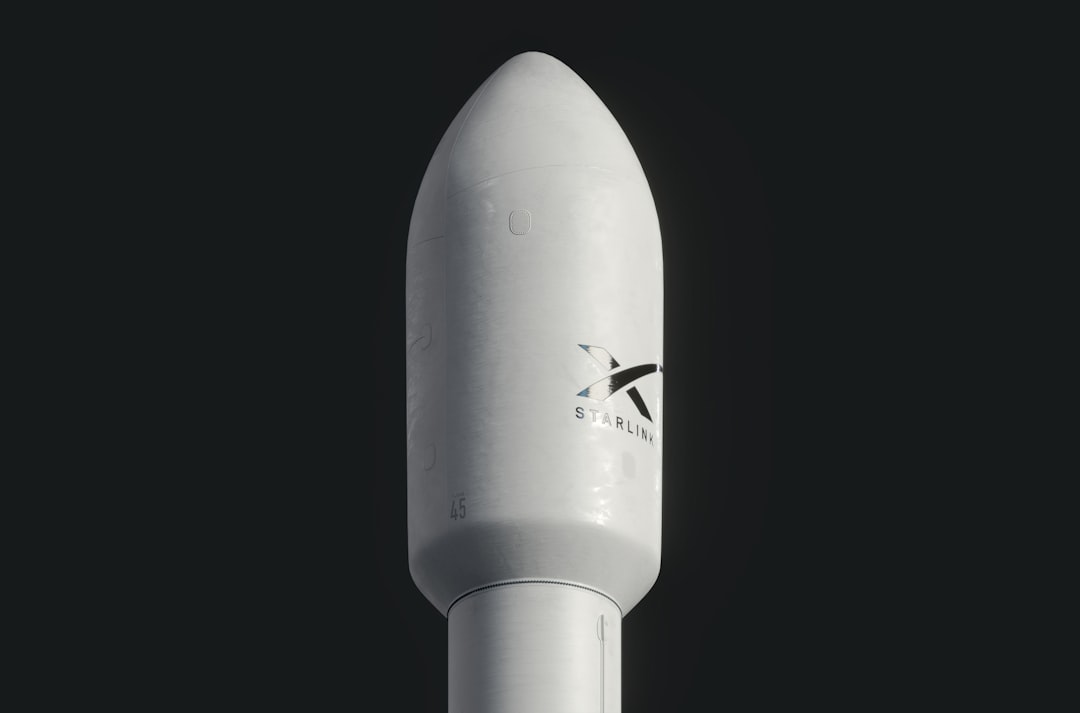
On the eve of one of the most anticipated IPOs in tech history, SpaceX faces an unexpected hurdle in India. The Indian government has cooled on Starlink, the company's satellite internet service, just as the space giant prepares for its public debut. This regulatory skepticism could undermine Starlink's growth prospects, a key pillar of SpaceX's financial narrative.
The three moonshots fueling the IPO
According to a TechCrunch analysis, SpaceX's valuation is not solely based on current launch business or Starlink. The real IPO value hinges on three ambitious hard-tech projects: orbital data centers, interplanetary transport, and next-generation satellite networks. In particular, plans for space data centers represent a speculative call on future computing and storage needs in orbit, a market that could explode with the rise of AI and global low-latency communications.
Sponsored Protocol
The Indian bottleneck and implications for Starlink
India's reversal on Starlink comes at a delicate moment. The country is one of the most promising markets for satellite connectivity, but national security concerns and licensing issues have stalled expansion. For SpaceX, the slowdown in India not only reduces potential Starlink revenues but also raises questions about its ability to scale globally in complex regulatory environments. This scenario mirrors the governance challenges faced by AI companies in Europe, as discussed in our recent piece on enterprise AI guardrails.
Sponsored Protocol
Ultimately, SpaceX's IPO is a bet on technologies that have yet to prove commercial viability. While space data centers could redefine cloud computing, Starlink's stalling in India is a reminder that regulation remains the weak link in the space race. The market will watch closely whether regulatory guardrails also slow down Elon Musk's most ambitious plans.
Read the full analysis on TechCrunch: Starlink India setback and SpaceX moonshots detail.