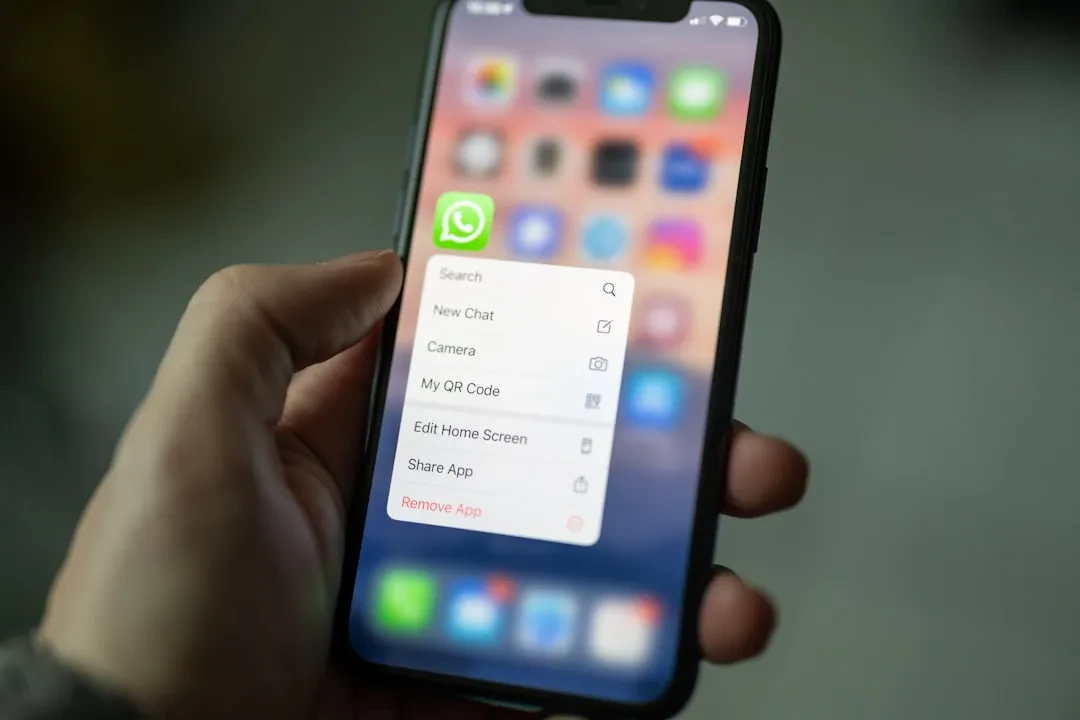
A new legal battle is brewing for the social media giant. The Texas Attorney General has filed a lawsuit against Meta, alleging that the popular messaging application WhatsApp does not actually provide end-to-end encryption despite the company's public claims. The complaint, filed in a state court, challenges Meta's marketing and privacy practices, raising serious questions about the transparency of the security technologies employed. The lawsuit arrives at a time when user trust in data protection is at the forefront of global discourse.
According to legal documents reviewed by authoritative sources, Texas claims that Meta has deceived consumers about the level of security of their conversations. End-to-end encryption, the lawyers argue, should guarantee that no one, not even the company itself, can read the messages. However, the Attorney General's investigation suggests that WhatsApp may have the technical ability to access content, possibly through vulnerabilities in backups or key management. This mismatch between what is promised and what is actually implemented could constitute a violation of state consumer protection laws.
Sponsored Protocol
The Roots of the Controversy
This lawsuit is not a bolt from the blue. For years, security experts and privacy activists have raised doubts about the real guarantees offered by WhatsApp. While the app uses the Signal protocol to encrypt messages in transit, gray areas remain. For instance, message backups on iCloud or Google Drive are often not end-to-end encrypted, creating a window for potential external access. Additionally, Meta has historically required phone number verification, exposing users to SIM swapping risks. Texas is pointing precisely at these aspects, seeking a clarifying intervention and penalties for alleged false advertising.
Sponsored Protocol
Meta, for its part, has always defended its position, stating that end-to-end encryption is active by default for all private chats. The company reiterated in a statement that it cannot read users' messages and that exceptions only apply to specific features like group chats or business integrations. However, Texas seems determined to uncover a more complex truth, arguing that WhatsApp's very architecture allows Meta to retain enough metadata to reconstruct communications.
Implications for Digital Privacy
This legal battle carries implications far beyond the Texas versus Meta case. If the court rules in favor of the Attorney General, it would set a dangerous precedent for all companies promising encryption. It could force platforms to disclose technical details that many would prefer to keep hidden, increasing transparency but also exposing potential flaws. Tied to this issue is the recent discovery of how hackers managed to download encrypted Dashlane databases, proving that no encryption is impenetrable if key management is weak. For a deep dive into that attack, see our article: Dashlane Vault Attack.
Sponsored Protocol
Furthermore, the case highlights a paradox already observed in artificial intelligence, where safety systems can themselves become a weak point, as shown by the Anthropic incident where it lost its most powerful model due to its own warnings. Read more about it in AI Safety Paradox. The connection is clear: cybersecurity is a delicate balance between protection and access, and absolute promises risk being broken.
For a deeper understanding of end-to-end encryption, refer to the Wikipedia entry.