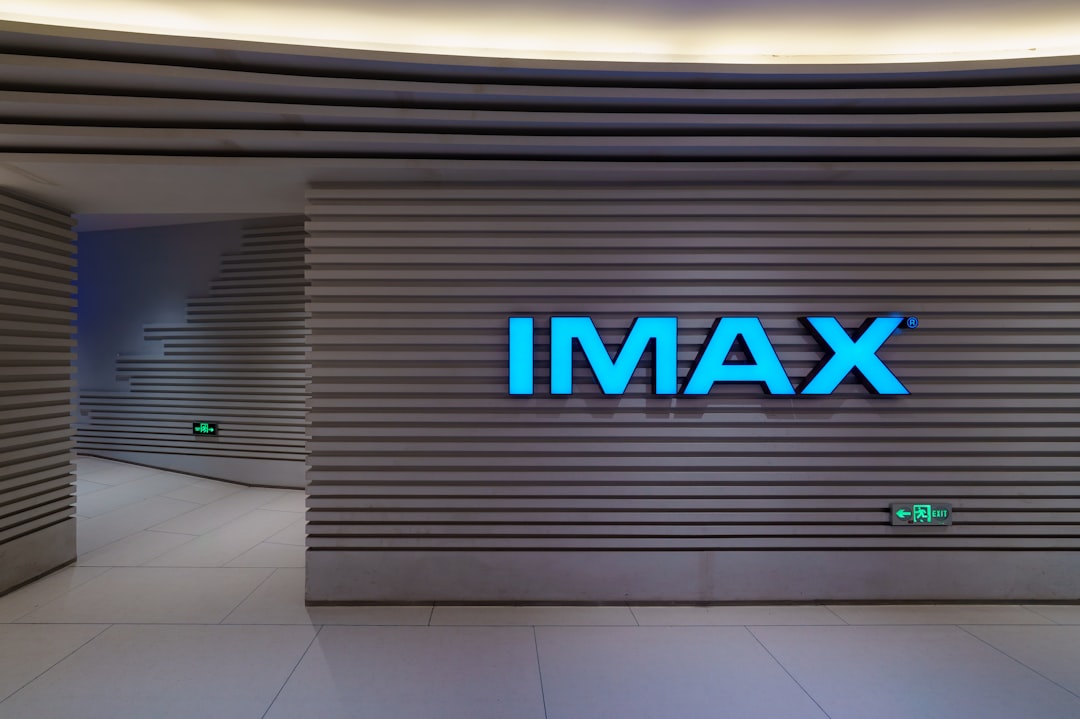
Christopher Nolan's latest epic, The Odyssey, was shot entirely on IMAX 70mm film, but experiencing it in its full glory is a challenge. Only 41 theaters worldwide, including 25 in the United States, can project the film in its native 1.43:1 aspect ratio. Many of these have already sold out for weeks, triggering an unprecedented FOMO phenomenon among cinephiles.
The challenge of projecting a film shot in 70mm IMAX
The IMAX 70mm format uses a 65mm negative run horizontally through the camera, creating an image 15 perforations wide, compared to the standard 5. On a giant screen, the result is a huge, incredibly sharp image with a nearly square 1.43:1 aspect ratio. James Hyder, former manager of the Smithsonian Air and Space Museum's Langley IMAX theater, explains that it all began in 2008 when IMAX introduced its first digital system. The company aimed to expand beyond museums and science centers into major theater chains, which often lacked the real estate for traditional IMAX screens. Today, several digital versions exist (2K, 4K, xenon, laser) that often crop the image to 1.90:1 and reduce screen size.
Sponsored Protocol
The confusion between IMAX and premium formats
The film's official website includes a guide to the six premium formats available, but it does not clarify the differences between various digital implementations. Hyder criticizes the lack of transparency: "It's a disservice to customers, trading on the reputation of real giant screens that IMAX once stood for." In recent years, 70mm has made a comeback thanks to directors like Nolan, and following the success of Oppenheimer, other films such as Dune: Part Two and Project Hail Mary have followed suit. However, the scarcity of functioning projectors remains a structural issue.
Sponsored Protocol
IMAX 70mm projectors: spare parts no longer available
IMAX CEO Rich Gelfond told Variety that no new IMAX film projectors have been built in about 50 years. The company retrofits and rebuilds them, but many specialized components no longer exist. Hyder agrees that manufacturing new ones would be difficult and costly, and perhaps unnecessary given digital advancements. A 4K laser alternative on old giant IMAX screens exists, but it lacks the sharpness of film. To match 15/70mm, 8K projection would be needed, achievable by tiling multiple 4K projectors, as planetariums already do.
Rarity as a marketing strategy
Despite the challenges, the scarcity of IMAX 70mm theaters adds to the format's allure. As Hyder puts it, "one reason it's so popular is because it's rare." The expert is pleased that in 2026 the format is still alive and predicts the last projector may still run in 50 years with vintage prints. In the meantime, those who want to experience The Odyssey as Nolan intended may have to wait weeks for a ticket.
Sponsored Protocol
For those interested in the technology behind these experiences, we recommend reading about API Documentation with OpenAPI and Swagger, while for a comparison of cinematic formats, the article on Samsung Galaxy Z Fold 8 offers interesting insights. An external deep dive on Wikipedia explains the history and technical specifications of IMAX.
Source: https://www.wired.com/story/the-odyssey-was-made-for-imax-70mm-good-luck-watching-it-that-way