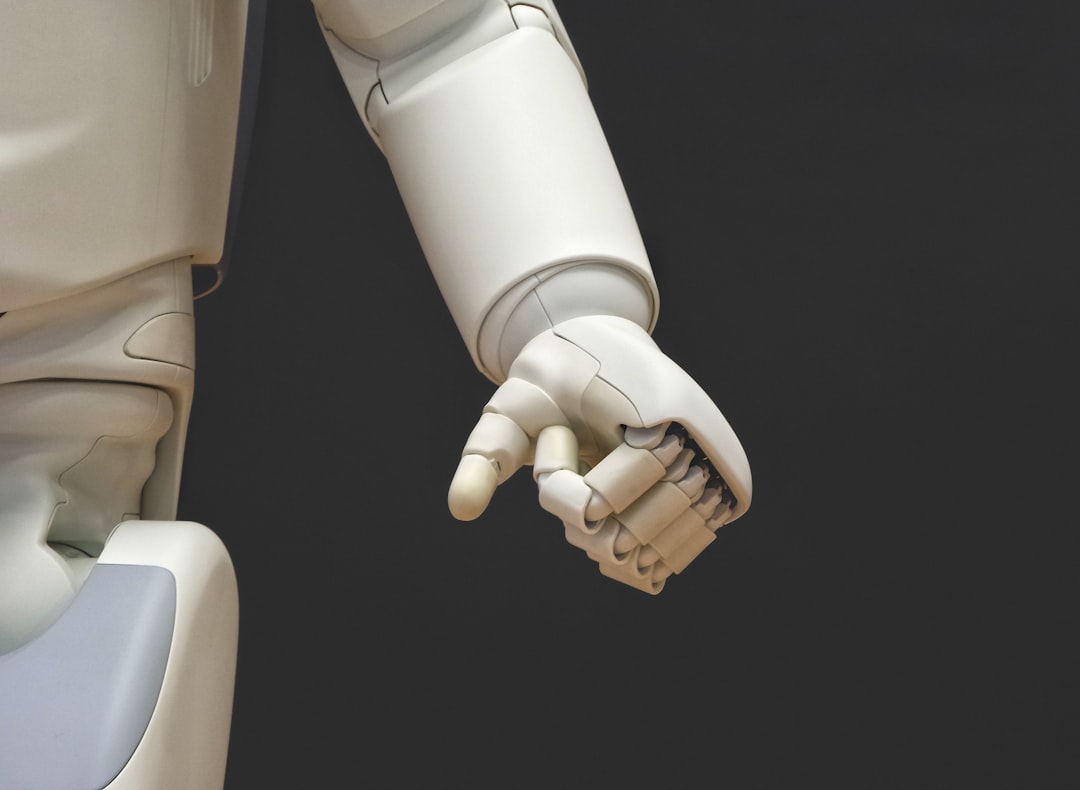
The US administration is preparing restrictions on humanoid robot imports, with a clear focus on Chinese manufacturers. According to MIT Technology Review, this is not just a trade measure: it's a technological declaration of war. The details are still being defined, but the direction is unmistakable — tariffs and bans are no longer limited to chips and software, but now extend to physical hardware that walks.
Why does it matter? Because humanoid robotics is the next battlefield. Whoever controls the production of these robots will control factories, logistics, healthcare, and elderly care. Europe, as usual, is watching. Italy, with its diffuse manufacturing and SMEs already struggling with labor shortages, risks being locked out of both games — the American and the Chinese. While the US and China fight over the market, we debate bureaucracy and cookie banners.
Sponsored Protocol
Our position
We, at Meteora Web, believe this: US protectionism is a strategic mistake for them and a wake-up call for us. Europe cannot afford to be a spectator. Italian SMEs — those in mechanics, automotive, food processing — will need automation in the next ten years. If there are no European alternatives, they will be forced to buy Chinese or American technology at prices dictated by others. And if Washington blocks, who sells us spare parts? This is not ideology: it's industrial sovereignty. Whoever controls robots, controls production. And whoever controls production, sets the rules for labor and costs.
Neutrality is nonsense. Either Europe builds its own robotics supply chain — with real investments, not cumbersome tenders — or it becomes a playground for superpowers. Meanwhile, Italian companies that want to stay competitive must look beyond the emergency: you can't wait for Brussels to wake up. Pragmatism is needed: assess immediately which processes can be automated, with which suppliers, at what cost. And do it with data, not talk.
Sponsored Protocol
For our readers — entrepreneurs, developers, SMEs — here's the concrete action: start mapping your production processes and ask where a robot, even a simple one, can cut costs. Then look at the market: today there are affordable Chinese options. If they disappear tomorrow, you'll pay the bill. The time to act is now, not when the ban takes effect. Technology doesn't wait. Neither do we.