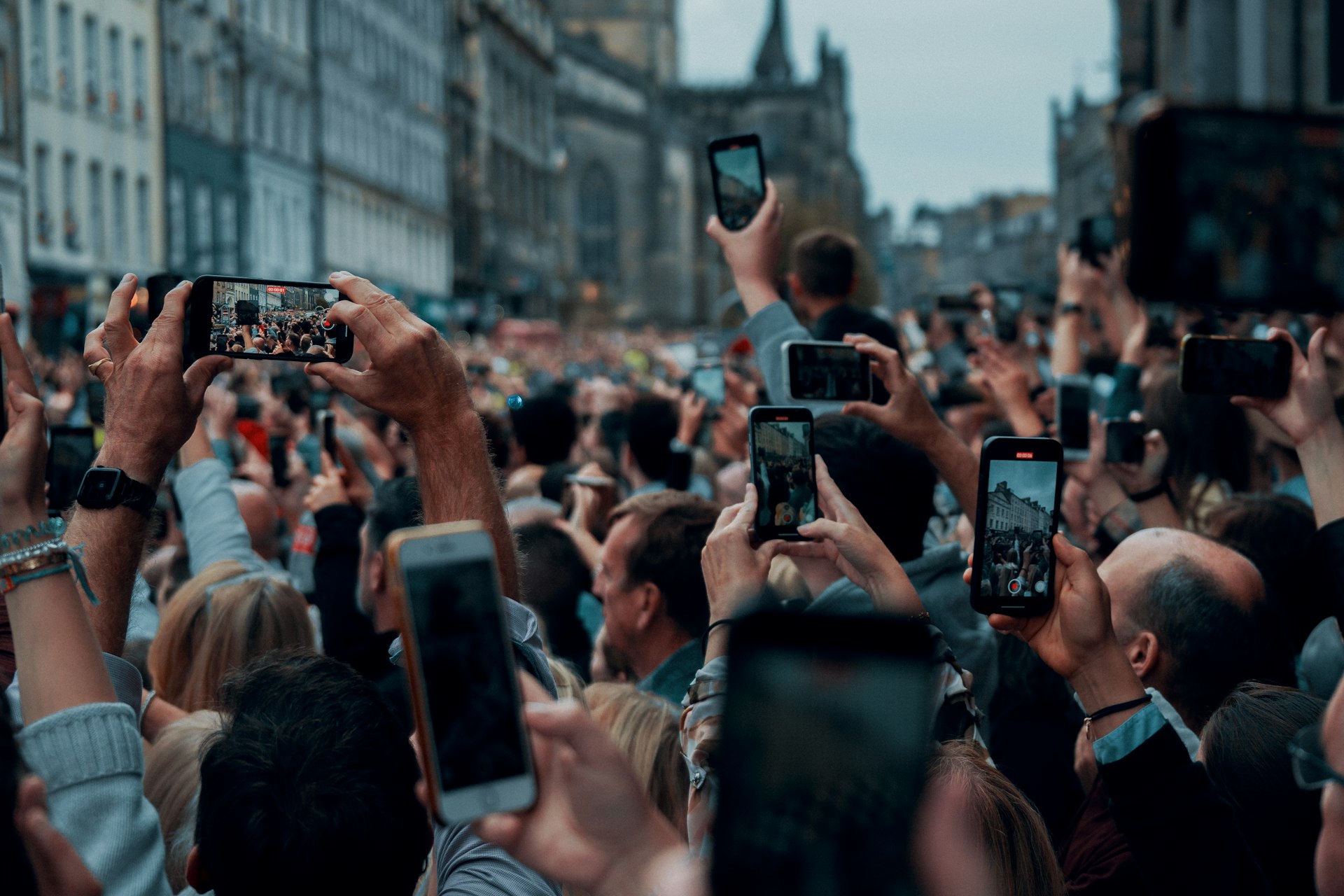
The British government plans to introduce facial age estimation (FAE) technology to assess the age of asylum seekers arriving at the UK border, starting next year. An investigation by WIRED and Lighthouse Reports, in collaboration with The Independent, has uncovered internal Home Office tests showing that these AI systems regularly mistake children for adults and contain serious racial bias. Children incorrectly classified as adults can lose legal protections and be placed in adult detention centers.
The leaked report details tests on seven FAE algorithms, focusing on the best-performing system. Even this algorithm showed substantial deviations for Sub-Saharan Africans, the largest group of asylum seekers arriving via small boats. For female Sub-Saharan Africans, the average age error was 4.6 years: a 13.5-year-old girl could be assessed as an adult. Moreover, tests used high-quality images, while real-world photos are often poor, further reducing accuracy.
Sponsored Protocol
Expert Concerns and Human Consequences
Tim Cole, emeritus professor of medical statistics at University College London, called the face scans horribly inaccurate. Cole was part of a scientific committee that the Home Office disbanded while it was exploring AI introduction, preventing the committee from voicing its concerns. The US National Institute of Standards and Technology has long documented that FAE accuracy depends on race and photo quality.
The Home Office claims the technology will be an additional tool for border officers, and in cases of uncertainty, individuals will be treated as children until further assessment. However, the investigation raises questions about deploying such unreliable systems in high-stakes scenarios. Rights groups like Foxglove have sent an open letter urging the government to scrap the plan.
Sponsored Protocol
This comes amid global trends of anti-migrant policies and billions spent on surveillance technology. Facial age estimation is already used for online age verification, but its application for asylum seekers is unprecedented. For more on flawed tech used on refugees, read our article on facial recognition for refugees.
The UK's decision highlights the risks of deploying artificial intelligence in critical areas without proper validation. History shows that flawed technology harms the most vulnerable. The FAE case serves as a warning not to sacrifice human rights for technological efficiency.
Positive examples, like off-grid solar entrepreneurship in Nairobi (read here), demonstrate how technology can drive development when used ethically. But when used for control and discrimination, its effects can be devastating.
Source: https://www.wired.com/story/facial-age-estimate-uk-asylum-seekers