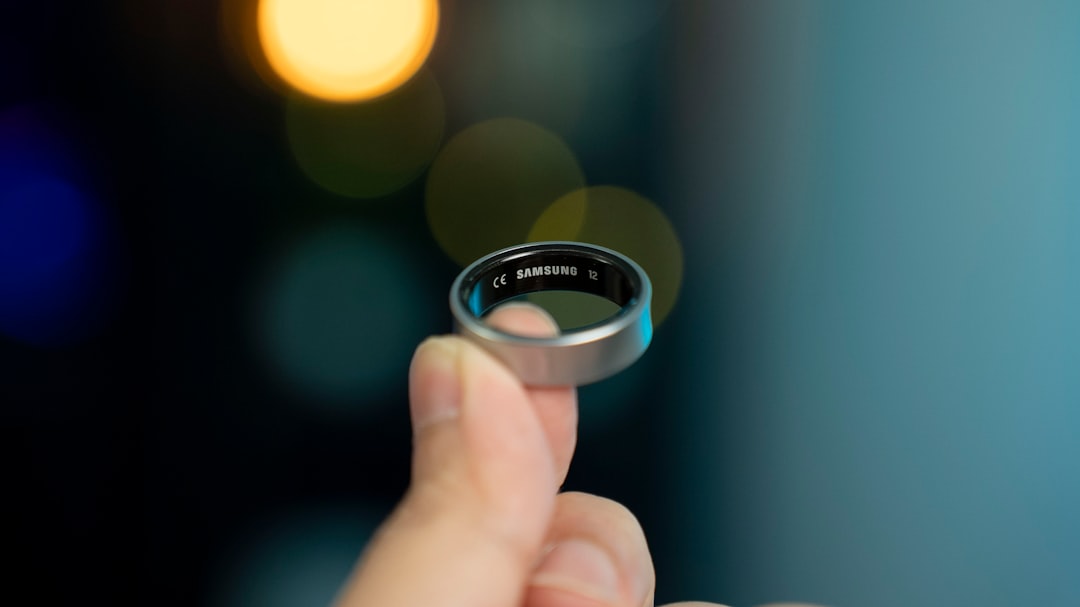
Engineers at the University of California, San Diego, have developed a prototype smart ring that can monitor blood glucose and other biomarkers by analyzing finger sweat. This device marks a significant step forward in health wearables, overcoming the main limitation of current non-invasive sensors: the need to prick the skin to measure glucose.
How sweat-based glucose detection works
The prototype, described in a paper published in Nature Communications on July 23, uses molecular sensors that contact sweat naturally produced by the fingers. Unlike traditional smart rings, which rely solely on biophysical data such as heart rate, temperature, and heart rate variability, this ring can detect concentrations of glucose, ketones, vitamin C, uric acid, lactate, and alcohol. The technology can extract sweat from the skin even without intense physical activity, as reported by CNET.
Sponsored Protocol
Accuracy comparable to invasive devices
Tests conducted by the researchers showed accuracy very similar to that of traditional continuous glucose monitors (CGM) and blood draws. For people with Type 1 diabetes, the ability to simultaneously monitor glucose and ketones could optimize insulin dosing, as highlighted by Professor Joseph Wang from the Department of Chemical and Nanoengineering. The ring thus represents a potential breakthrough for diabetes management, eliminating the need for needles and reducing patient discomfort.
Technical challenges and future prospects
Currently, the prototype has some limitations: it is rather bulky and has a battery life of only 12 hours. However, the engineers are confident that commercial versions can significantly improve both design and autonomy. The integration of this technology with devices like the iPhone, to which the ring connects via a companion app, opens the door to continuous, non-invasive health monitoring at the molecular level. For a comparison with other technological innovations, you can read how Samsung turned its smartphones into webcams, another example of creative hardware adaptation. Furthermore, the debate on the use of artificial intelligence in healthcare, as discussed in the article on unsexy AI, shows that practical and targeted solutions can bring concrete benefits.
Sponsored Protocol
The future of wearables seems to be moving toward increasingly sophisticated sensors, and this smart ring could be the first step toward a new generation of devices capable of monitoring health comprehensively and non-invasively, with potential positive impacts for millions of people worldwide.