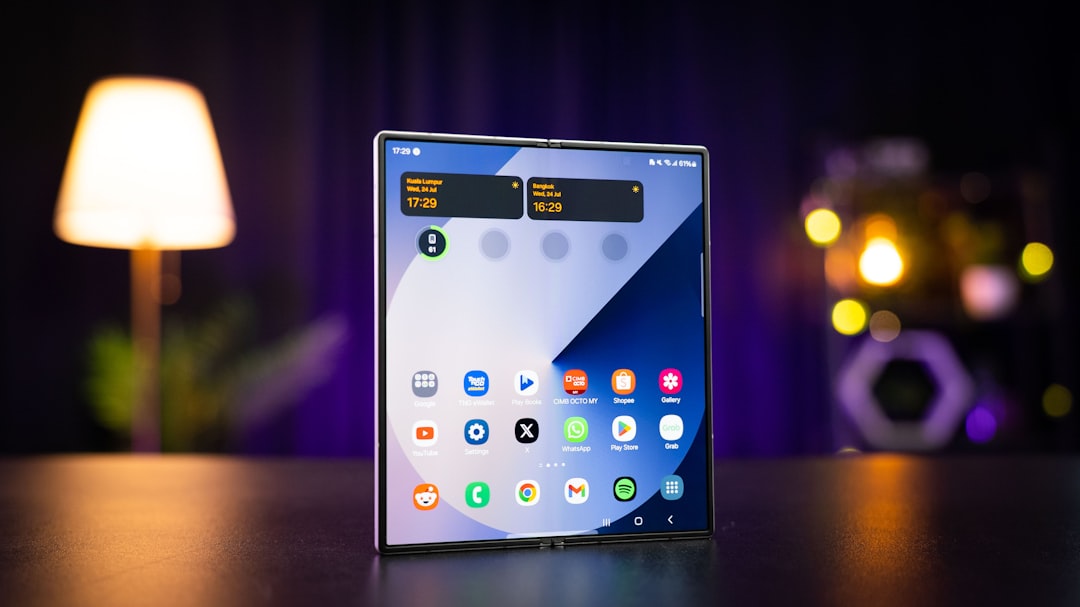
Samsung has unveiled its eighth generation of foldable smartphones, comprising three models: Galaxy Z Fold8 Ultra, Galaxy Z Fold8, and Galaxy Z Flip8. Preorders are open, and choosing between them can be daunting. This guide breaks down the key differences to help you decide which device fits your needs.
What all three new Samsung foldables share
All three models share top-tier specifications. They are powered by the Qualcomm Snapdragon 8 Elite Gen 5 for Galaxy chipset, paired with 12 GB of RAM in base models and up to 16 GB in the Ultra and Fold8. Storage starts at 256 GB and reaches 1 TB. The displays, both internal and external, use Dynamic AMOLED 2X technology with a 120 Hz refresh rate and a peak brightness of 3,000 nits, ensuring excellent readability even in direct sunlight. They all feature IP48 water and dust resistance, an Advanced Armor Aluminum frame, Wi-Fi 7 connectivity, and Wireless PowerShare for charging accessories. A notable addition is the Flex Titanium layer on the Fold8 Ultra and Fold8, which reduces the visible crease and enhances display durability.
Sponsored Protocol
Samsung Galaxy Z Fold8 Ultra: the best for photographers and power users
The Galaxy Z Fold8 Ultra is the largest and most feature-packed foldable in the lineup. When unfolded, it offers an 8-inch main display with an almost square aspect ratio, while folded it sports a practical 6.5-inch cover screen. The standout difference is the camera system: a 200-megapixel main sensor, a 50-megapixel ultrawide, and a 10-megapixel telephoto lens with 3x optical zoom. Video recording reaches 8K on both the main and ultrawide cameras. The 5,000 mAh battery supports 45-watt wired charging and 20-watt wireless charging, making it the fastest in the series. The starting price is $2,100. This model is ideal for those who want the absolute best without compromises and love taking high-quality photos.
Samsung Galaxy Z Fold8: the innovative middle ground
The Galaxy Z Fold8 adopts a novel form factor for a book-style foldable: it is shorter (124 mm when unfolded) but wider (161 mm) than the Ultra. The internal 7.6-inch display has a 4:3 aspect ratio, which suits certain media content. When folded, the external screen is a 5.5-inch panel, compact yet functional. It weighs just 201 grams, making it the lightest large-screen foldable on the market. The battery is 4,800 mAh, still with 45-watt fast charging. The camera system is a weak point: a dual 50 MP setup (main and ultrawide) without a telephoto lens, though it offers 10x digital zoom. However, software features like dual recording and FanCam automatically generate video clips. The price starts at $1,900, positioning it as a mid-range option for those seeking innovation without spending the maximum.
Sponsored Protocol
Samsung Galaxy Z Flip8: the most compact and lightweight of the family
The Galaxy Z Flip8 retains the clamshell design but with a redesigned chassis that makes it the world's thinnest and lightest flip phone: 180 grams and just 6.1 mm thick when unfolded. When closed, it measures 85.7 x 75.4 x 13.1 mm, easily slipping into any pocket. The 4.1-inch cover screen allows quick interactions, while the internal 6.9-inch display provides a large candybar experience. The cameras are a 50 MP main sensor and a 12 MP ultrawide, with video recording up to 4K, suitable for most users. The 4,300 mAh battery supports 25-watt wired and 15-watt wireless charging, slightly slower but sufficient for a day. The $1,200 price makes it the most affordable Samsung foldable. It is perfect for those who prioritize portability and iconic design.
Sponsored Protocol
For more details on the launch event, read our article on Samsung Galaxy Unpacked 2026. To understand how these compare to traditional flagships, check the Wikipedia page for the Z series.
Source: https://www.wired.com/story/which-samsung-galaxy-z-fold8-to-buy