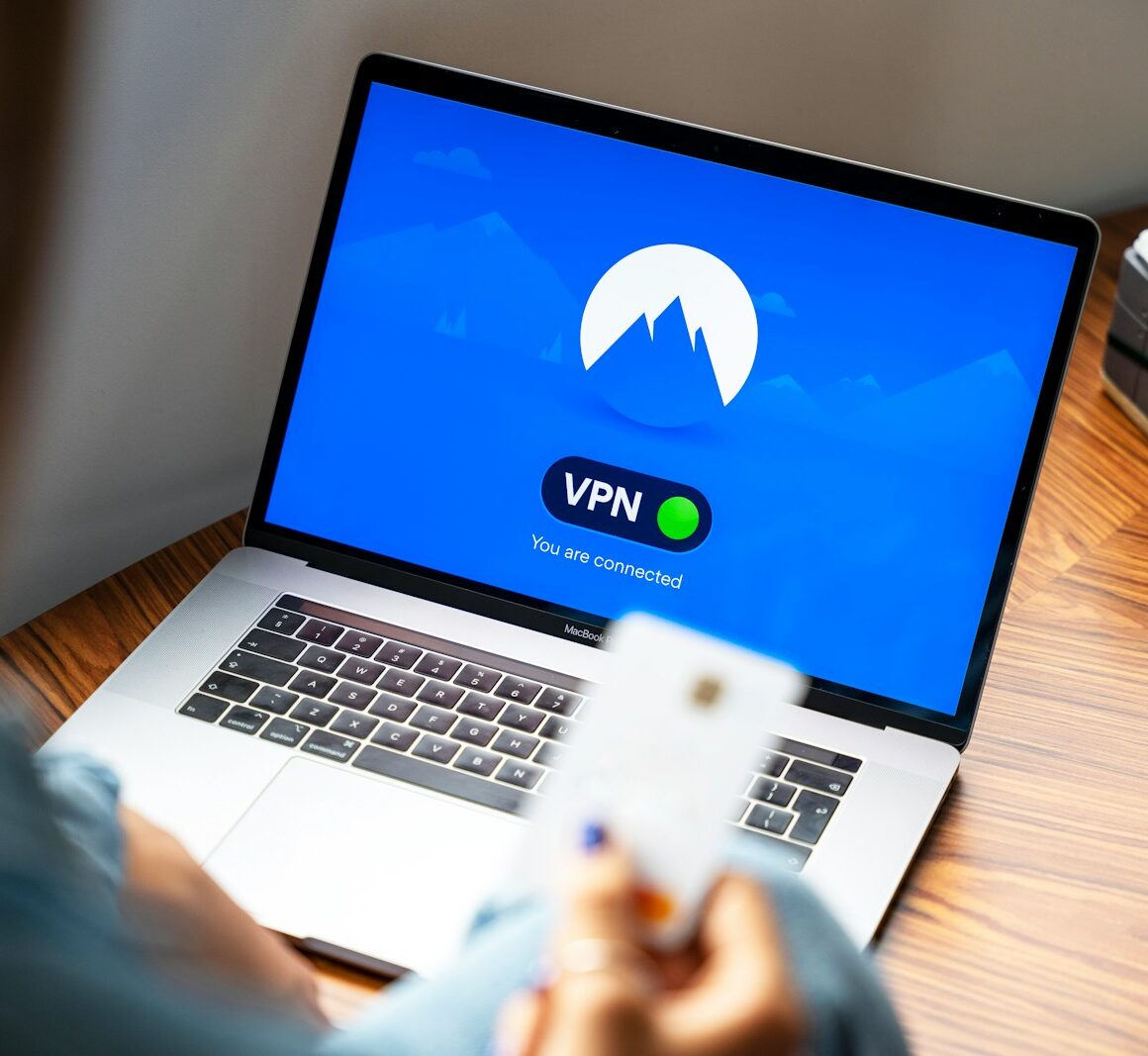
In recent years, the acronym
VPN has moved beyond industry jargon and become ubiquitous. In advertisements, in advice for remote workers, in guides on how to protect your browsing. However, there is often some confusion. Some consider it a kind of invisibility cloak, while others mistake it for a simple trick to change your country on streaming platforms. The truth lies somewhere in between.
A VPN, or Virtual Private Network, originated as a technology to securely connect distant networks and devices. Today, it has also become one of the fundamental tools for those seriously concerned about
privacy and security at the level of
Operating Systems & Security. Provided you understand well what it does, what it doesn't do, and who you are really protecting yourself from.
The more sober definitions, like those found on the reference pages of
cisa.gov or in the privacy guides of
eff.org, emphasize one point. A VPN creates an
encrypted tunnel between your device and a remote server. All traffic that would otherwise travel in the clear, or nearly so, over your internet provider's network or a public Wi-Fi passes through that tunnel.
What a VPN Really Is
In practice, a VPN is a service that installs a
virtual network interface on the operating system. From the perspective of the computer or smartphone, this interface behaves like a normal network card, but instead of sending packets directly to the internet, it encapsulates them in an encrypted connection to the VPN server.
When the VPN is active, the website you visit no longer sees your real IP address, but the address of the VPN server. Your connectivity provider also only sees an encrypted stream to that server, without details of individual requests. This significantly reduces the amount of information that can be collected about your browsing at the network level.
Logically, a kind of
private bubble is created over the public internet. Traffic enters the tunnel encrypted, travels to the server, is decrypted, and from there exits to the final destination. The return path follows the same pattern but in reverse.
How It Works: Protocols, Encryption, and the Operating System
Behind the friendly-named interfaces are quite concrete protocols. The most common are
OpenVPN,
WireGuard, IKEv2 IPSec, and various proprietary variants documented with varying degrees of transparency. OpenVPN, for example, is described in detail on
openvpn.net and is a de facto standard for both enterprise and consumer solutions.
In the operating system, the VPN installs a driver that intercepts traffic and routes it to the virtual interface. Packets are encapsulated and encrypted with modern algorithms, often AES or ChaCha20, depending on the protocol's choices. The VPN server receives the stream, decrypts it, and forwards it to the real recipient. At the application level, the browser or other apps continue to function normally, as if nothing had changed.
More carefully crafted implementations add features like a
kill switch. If the VPN drops suddenly, the system blocks all traffic until the tunnel is active again, preventing sensitive data from ending up in the clear for a few seconds of inattention. This layer also interacts with the operating system, often by modifying firewall rules or routing tables.
From a system security perspective, the VPN becomes a central element of the architecture. It must be considered alongside firewalls, intrusion detection systems, and update policies. It is not a cosmetic add-on, but a full-fledged network component.
How It Protects Privacy and Its Limitations
The most obvious contribution of a VPN to privacy concerns two aspects. The first is
protection on untrusted networks, such as public Wi-Fi in hotels, airports, cafes. Without a VPN, whoever controls the infrastructure or a potential attacker on the same network could try to intercept or manipulate traffic, especially where HTTPS is not used correctly. With the encrypted tunnel, the attack surface is reduced.
The second aspect is the reduction of tracking at the provider level. Without a VPN, your internet provider sees every domain you query, connection times, some sensitive metadata. With a VPN, it only sees that you are talking to a certain server, without details about the rest. In some countries, this means limiting the amount of logs that can be collected or legally requested.
Then there are the more debated uses, such as accessing services not available in your own country. Technically, a VPN allows traffic to appear as coming from another region, but this does not remove legal or contractual constraints. This is an area where technology arrives well before regulations and where it's wise to proceed with a certain awareness.
The delicate point is that
with a VPN you do not disappear. You simply shift the point of trust. It is no longer your connectivity provider that sees your traffic, but the VPN provider. Choosing a reliable service, with clear policies on log collection and preferably independent audits, is crucial. The guides for choosing a VPN published by entities like
privacyguides.org emphasize precisely these criteria.
Then there are structural limitations. A VPN does not stop tracking based on cookies, browser fingerprinting, or logged-in accounts on services. If you still browse with the same profile, access the same social networks, use the same apps, many actors can still link your activities. The VPN protects the data's path over the network; it does not rewrite the entire online advertising business model.
Viewed correctly, however, a VPN remains an important tool. For those working remotely on corporate systems, for frequent travelers, for those who want to at least raise the difficulty level for anyone trying to observe traffic. When integrated into a broader strategy of operating system security and digital hygiene, it becomes a valuable ally. Thinking of it as a magic solution, on the other hand, risks creating only a false sense of anonymity.