 Ing. Calogero Bono
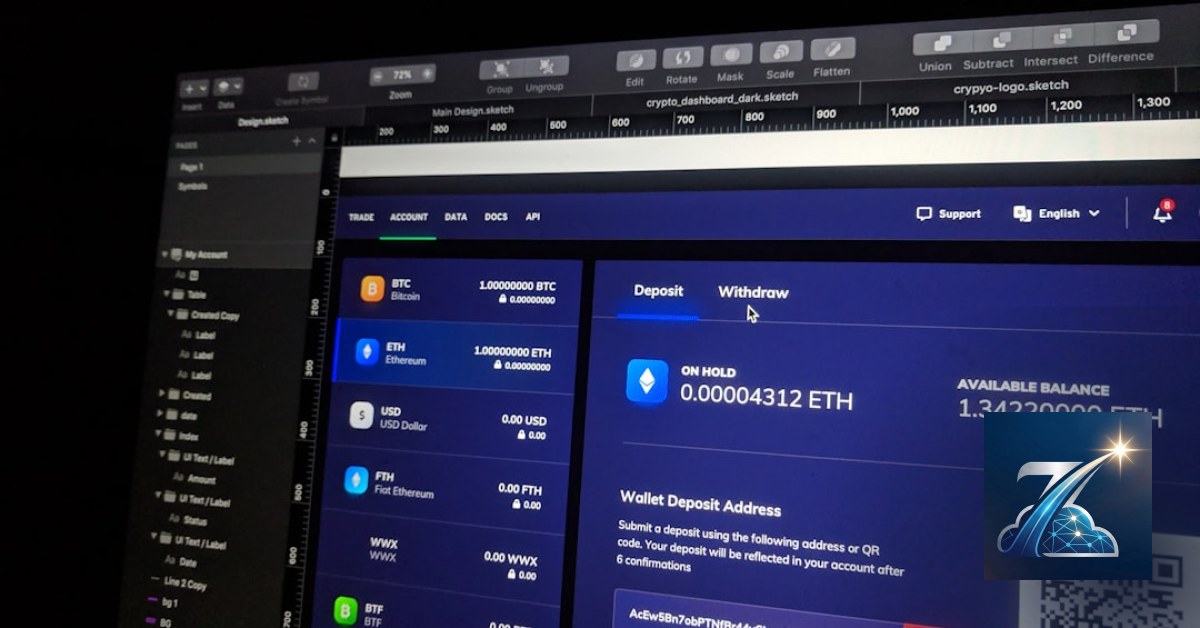
You run an agency, and every month you waste time managing tools that aren't yours. Social media dashboards, email platforms, invoicing — you pay recurring fees that build someone else's brand. The client sees Mailchimp's logo, not yours. There's a model that flips this: white label SaaS. We've used it for years. Let's break down what it is and why it actually pays off.
What Is a White Label SaaS and How Does It Work for an Agency?
A white label SaaS is a ready-made software you resell under your own brand. Development, servers, maintenance are handled by the provider. You add your logo, domain, colors — and present it as your product. No code to write, no lifetime fees you can't control. You pay the provider, you invoice your clients with the margin you choose.
Concrete example: We built a proprietary platform to manage social presence for multiple clients: auto-publishing, editorial calendar, integrated invoicing. But if you don't want to build from scratch, you can take a white label social media management tool and customize it. Your client sees your logo, pays you. You pay the provider — and keep the difference.
How it works in practice:
- Pick a provider that offers whitelabeling (CRM, email, social, etc.).
- Customize domain, logo, color palette, sometimes even CSS.
- Manage pricing plans, billing, and first-line support.
- The provider handles infrastructure, updates, security.
- You invoice the end client. Your margin = what you charge minus what you pay.
Common mistake to avoid: Don't confuse white label with simple license reselling. If the client knows you're reselling, it's not white label. White label means the client doesn't even know a third-party provider exists. The software has your name, your support email, your domain. It looks like you built it.
What Are the Differences Between White Label SaaS, Reselling, and Classic Licensing?
People mix these up. Let's clarify:
- Classic license: You pay a subscription, use the software with the vendor's brand. Example: Adobe Creative Cloud. You're an end user.
- Reseller: You buy licenses wholesale and sell them to your clients. The client still sees the original brand but pays you. Example: hosting or domain reselling.
- White label SaaS: You take the platform, rebrand it, and the end client believes it's yours. Support, onboarding, customization — all under your name. The provider stays invisible.
Why the difference matters strategically: With white label, you build brand equity. The client uses your tool daily, associating that UX with your agency. If you switch providers, you migrate without the client noticing. With a classic license, the client could go directly to the vendor. With reselling, the vendor's brand is still visible — and eventually someone will look for a direct alternative without the middleman.
Who Actually Benefits from White Label SaaS? Real Cases
It's not for everyone. Here are the best profiles.
Marketing and communication agencies
You manage social, email, landing pages for 10-50 clients. Instead of using Hootsuite or Mailchimp with their branding, resell a white label platform. Each client pays $50-100/month. You pay $10/month per account to the provider. Gross margin: 80-90%. Plus, clients are more loyal because the tool is integrated into your service.
Web agencies and developers
You build sites on WordPress or Laravel. Offer clients a management panel for hosting, backups, monitoring — all with your brand. Instead of reselling third-party hosting, white label a solution (e.g., WHMCS, Blesta). The client sees your interface, pays you. You manage the underlying server.
Freelancers and solo consultants
You offer marketing automation or CRM services. A white label SaaS lets you present yourself as a structured agency without development investment. Startup cost is low, margin high. But you need support and onboarding skills — otherwise the client gets angry with you, not the provider.
Who we advise against white label: If you have minimal technical skills for customization and first-line support. If your average client budget is below $20/month. If you're not willing to invest time in onboarding. In these cases, stick with a classic license and good referrals.
How Much Does White Label SaaS Cost and What Margin Can You Expect?
Costs vary widely. Rough ranges:
- Social media platforms: $10-50/month per user account. Resell at $50-150.
- CRM and automation: $30-200/month per account. Resell at $100-500.
- Email marketing: $20-100/month per account, with send limits. Resell at $50-300.
- White label hosting (cPanel): $1-5/month per account. Resell at $5-20.
Net margin example: 20 clients paying $80/month each = $1,600/month revenue. You pay the provider ~$400 (20 x $20). Gross margin: $1,200/month. Subtract support hours and customization, net is still attractive. But margin depends on keeping customer acquisition cost (CAC) low. If you spend $500 in ads to get a client paying $80/month, payback is ~6 months. That's fine if retention is high (over 12 months).
Our advice: Start with a provider offering a free trial or monthly test. Pilot with one friendly client. Measure onboarding time, support tickets, satisfaction. Only then scale. At Meteora Web, we always start with one question: how much does it cost and how much does it return? Everything else comes after.
What Are the Risks and How to Mitigate Them
Three main risks:
- Vendor dependency. If the provider shuts down or raises prices, you're stuck. Solution: pick providers with 3-5+ year history and clear contracts. Ask for SLAs, data export options, and keep a backup provider for core features.
- Limited customization. If the provider restricts deep changes, your product may look like every other agency's. Solution: look for providers offering APIs or partial code access. We chose Laravel for our proprietary platforms precisely for this reason — total control, no lifetime fees.
- You own the support. If a client has a technical issue, they call you. If you don't solve it fast, you lose credibility. Solution: build a branded knowledge base, train a support team (even one person initially), and use the provider for backend escalations. We've seen agencies fail because they underestimated support.
How to Choose a White Label SaaS Provider
Practical checklist to use today:
- Does it offer full branding (domain, logo, email)?
- Provides APIs for custom integrations?
- Has a written SLA and verifiable uptime history?
- Allows data export at any time (no lock-in)?
- Is cost per account competitive vs your resale price?
- Offers technical support in your language (if targeting local market)?
Don't rely on demos. Ask for a trial account and use it for a week as if you were a client. Test speed, UX, feature limits. Only then decide.
What to Do Next
If you're an agency considering white label, here are three immediate actions:
- Identify a service you already offer that could be delivered via a white label tool. Example: managing clients' social media with an external tool? Replace it with a white label version.
- Pick 2-3 providers from the checklist above, test one month with a friendly client or in test mode. Measure time, cost, issues.
- Calculate potential margin on a yearly basis. If 10 clients generate over $10,000 in net margin per year, the setup investment is worth it.
We've walked this path: since 2017 we've been following companies from domain to revenue, one single contact. White label allowed us to offer top-tier tools to our clients in southern Italy, without tying them to big corporations. For a deeper dive, read our pillar guide: SaaS White Label for Agencies — Resell Platforms with Your Brand.
Zenith White Label is the all-in-one platform to run your business — clients, scheduling, deadlines, invoicing and WhatsApp reminders, all from your browser. No installation required.
Discover Zenith White Label →