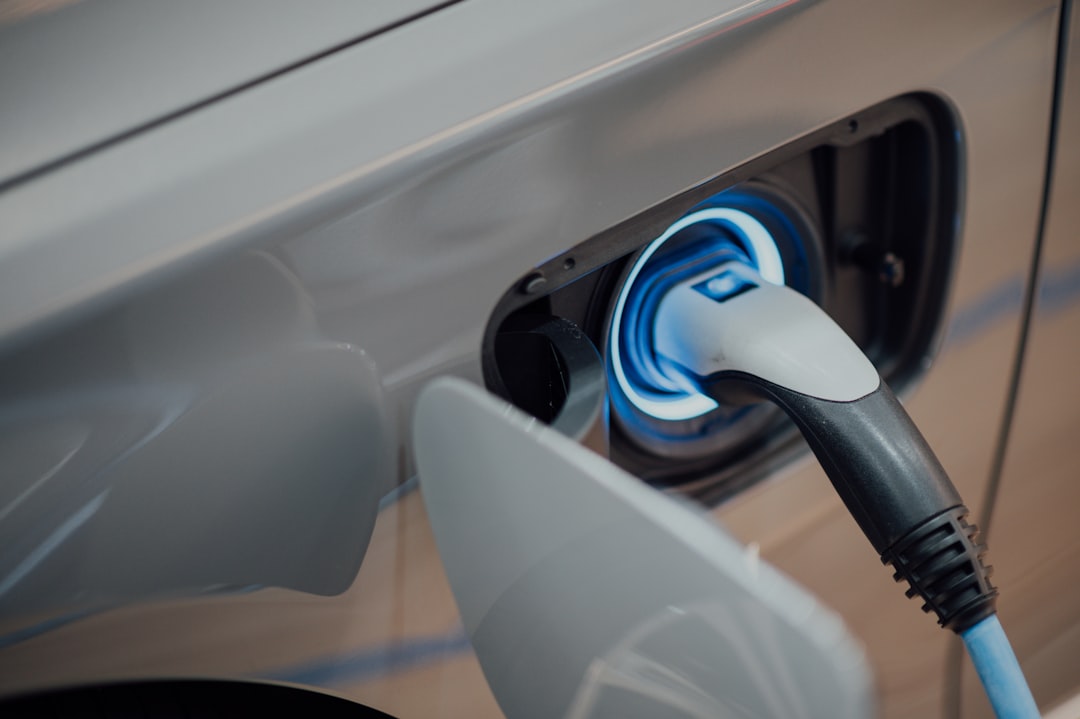
For years, public fast charging has been a major concern for potential EV buyers, with broken stations, unreliable apps, and long waits. A recent 600-mile road trip from the U.S. to Montreal, Canada, in an Audi e-tron with a 220-mile range suggests that the situation has dramatically improved. The journey required only three charging stops, each lasting about 20 minutes, seamlessly integrated with lunch and rest breaks.
Flawless charging at Rivian and Circuit Électrique stations
The first stop, recommended by the A Better Route Planner (ABRP) app, was a Rivian station in Lebanon, New Hampshire. It featured six 300-kilowatt chargers, all operational, and accepted credit cards without requiring a dedicated app. The charging rate exceeded 140 kilowatts, the e-tron's maximum. The only glitch occurred at a Circuit Électrique station near Montreal, where the card reader failed; a quick app download and $20 CAD prepayment resolved the issue. Total charging time was comparable to the wait at U.S. border control on the return trip.
Sponsored Protocol
From nightmare to normal: a stark contrast with 2023
Three years earlier, the same vehicle on a shorter 350-mile trip to Maine faced multiple failures: a broken charger, sessions that would not terminate, and a station reporting working plugs that were actually dead. The driver had to call customer service three times. The recent trip, by contrast, was nearly perfect, reflecting a broader improvement in EV infrastructure.
Data shows a reliability leap
According to the Joint Office of Energy and Transportation, the U.S. had about 32,000 DC fast chargers in July 2023, many exclusive to Tesla. Today, the number has more than doubled, thanks to Tesla's network opening and expansion by other companies. Paren's reliability index, which measures successful charging sessions and downtime, jumped from 85% to the mid-90s in one year. As LinkedIn, Walmart, and Zendesk revealed, legacy infrastructure often hampers progress, but in the EV charging world, upgrades are delivering results. Competition among networks has driven improvements across the board.
Sponsored Protocol
Still room for improvement, but the trend is clear
Gaps in coverage and occasional breakdowns persist, but the pace of new installations and faster repairs are narrowing the gap. For skeptics, the road test and data confirm that fast charging is no longer a deal-breaker. For more details on EV charging technology, see the Wikipedia page on charging stations.