Generative artificial intelligence is transforming every industry, but behind the scenes of language models and deep learning systems lies a less visible challenge: the need for increasingly high-performance materials. Without innovations in polymers, elastomers, and specialty fluids, advances in computing power and energy efficiency would be impossible. This article explores how companies like Syensqo are redefining the concept of performance, combining chemical resistance with sustainability.
Advanced materials as the foundation for next-generation AI
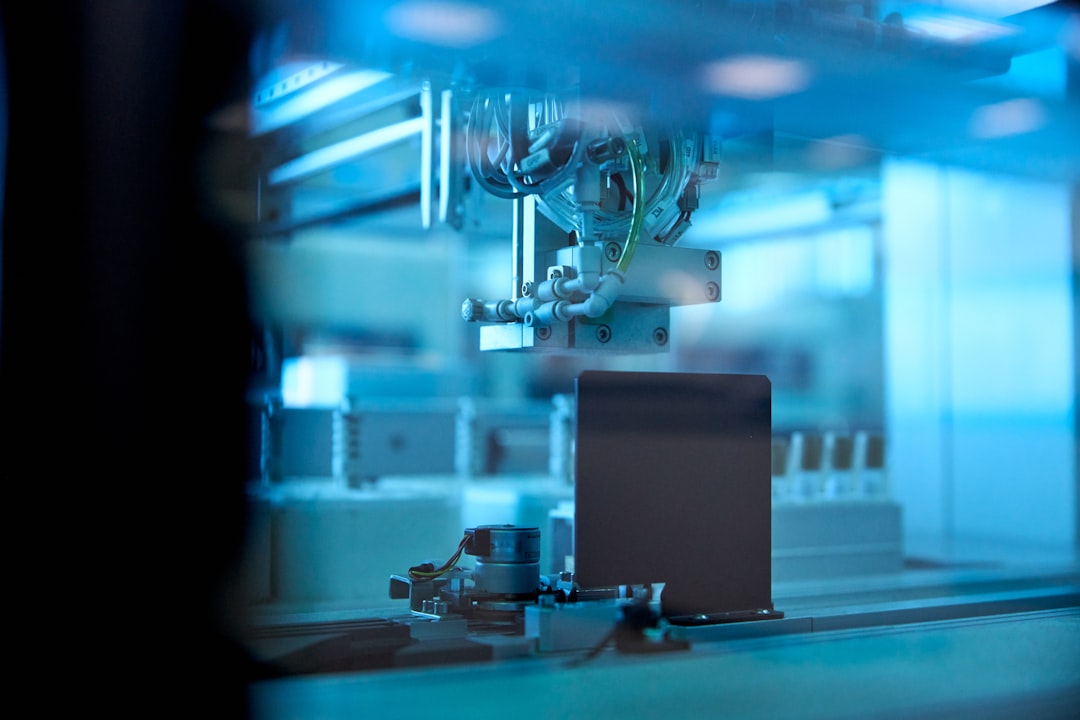
Each new generation of chips requires manufacturing processes with ever tighter tolerances. High temperatures, aggressive plasma, and reactive chemicals put components under extreme stress. Perfluoroelastomers, for example, are essential for sealing semiconductor manufacturing equipment. Syensqo has developed a new generation of these materials using a fluorosurfactant-free manufacturing process, improving both performance and sustainability. This approach demonstrates that performance and environmental responsibility can coexist.
Sponsored Protocol
From electric vehicle cooling to AI servers: knowledge transfer
The increasing computing density in data centers demands innovative thermal solutions. Syensqo has adapted fluid circulation technologies from the automotive and semiconductor sectors to design direct liquid cooling systems for AI servers. This cross-market knowledge transfer accelerates the development of thermal and power management solutions, ensuring the reliability required by AI infrastructure. The ability to transfer knowledge across different markets is a key competitive advantage.
Sponsored Protocol
Artificial intelligence accelerates materials discovery
The traditional materials discovery path is slow: hypothesis, synthesis, test, and iteration. Now AI speeds up the early stages, identifying the most promising molecular candidates for thermal fluids and other components. Syensqo uses the Microsoft Discovery platform to reduce the number of physical experiments needed. AI does not replace scientists but helps them focus on the toughest challenges. This approach is already used to develop next-generation thermal fluids for semiconductors and data centers.
Practical applications of these materials can already be seen in consumer products. For instance, the recently launched Samsung Health AI Assistant in the United States relies on chips and sensors that require advanced materials for precision and reliability. Similarly, the Gemini icon in Google Maps was repositioned to improve usability, but behind it is hardware made possible by innovative materials. The path to the future of AI inevitably passes through materials science laboratories.
Sponsored Protocol
For further reading, see the Wikipedia entry on advanced materials. To stay updated on the latest innovations, check our articles on Samsung Health AI and Google Maps Gemini.