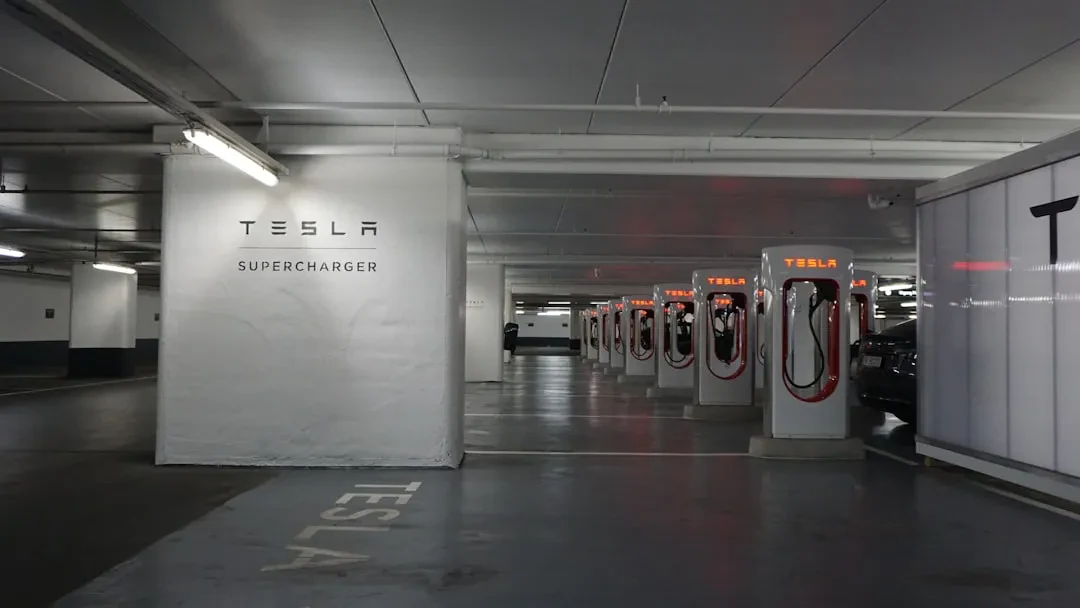
The surging electricity demand from AI data centers is reshaping the energy market. According to TechCrunch, automotive giants like General Motors and Ford are aggressively entering the energy storage business, a sector long dominated by Tesla. The reason is clear: AI will consume an ever-larger share of the global power grid, requiring industrial-scale batteries to manage load peaks.
Why automakers are pivoting to batteries
This move is no coincidence. With the exponential growth of AI agents and large language models, data centers need 24/7 power. Electric vehicles share the same battery technology as static storage units, and companies like GM and Ford can leverage existing production lines to build utility-scale storage systems. This creates a direct synergy between electric mobility and cloud infrastructure, accelerating the shift toward a more resilient grid.
Sponsored Protocol
Market and technology implications
The competition to Tesla goes beyond pricing. It marks a redefinition of the battery supply chain, with implications for cybersecurity and data governance. New storage architectures must integrate with increasingly intelligent energy management software, powered by the very AI that created the demand. While Europe risks falling behind in the AI agents race, the United States is witnessing an unprecedented convergence between automotive and tech sectors.
Sponsored Protocol
The concrete takeaway: energy demand from AI data centers is projected to surge 300% over the next two years, making energy storage a highly profitable and strategic business. Companies that control batteries will essentially control the backbone of the global AI infrastructure.