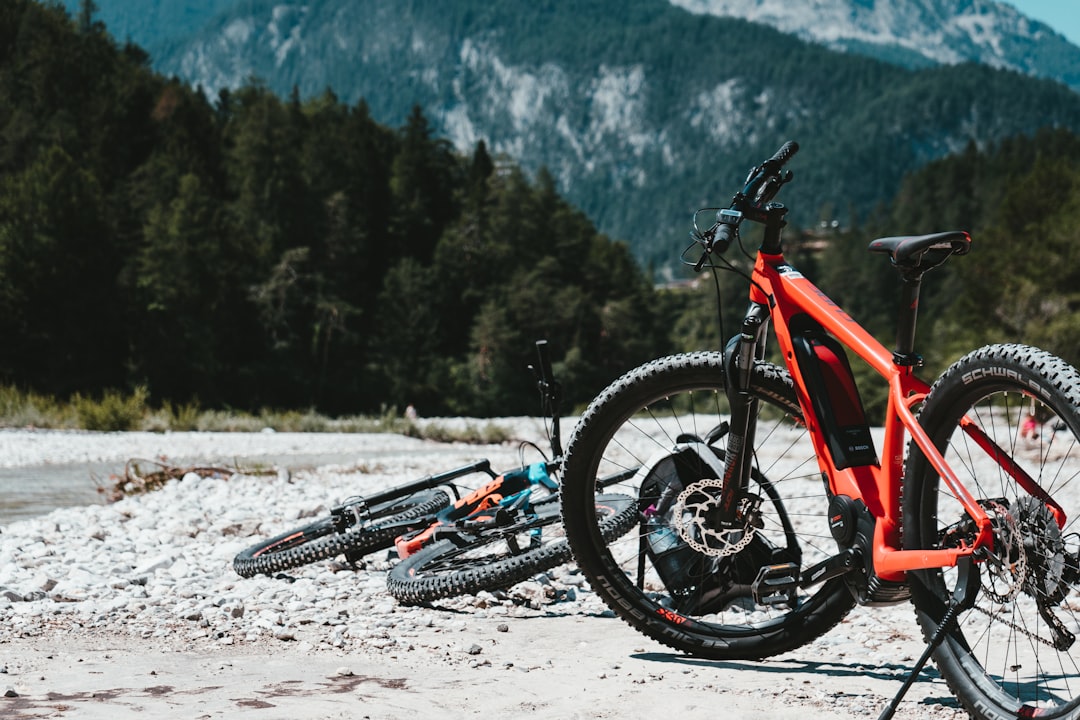
A Chinese ebike company, Aipas, has been at the center of a lawsuit for falsely claiming UL safety certifications. The case, closed with a permanent injunction on July 15, 2026, highlights a widespread problem in online marketplaces: counterfeit safety marks. The lawsuit, filed by Amazon and UL itself, accuses several companies linked to the Aipas brand of using the UL logo without ever passing compliance tests, exposing consumers to real risks such as lithium-ion battery fires.
The companies involved and the court injunction
According to legal documents, the companies Jiangmen Meijiasheng Bicycle, Hong Kong Manchester International Trading, Shenzhen Aibosi Sport Technology, Guangzhou Aierfeile Sport Technology, and individual Tang Shuhui accepted the injunction without admitting liability. The order prohibits them from using the UL mark and from assisting third parties in doing so. However, despite the agreement, WIRED discovered that a Facebook account associated with Aipas continued to run ads featuring the UL logo even after the injunction, raising doubts about the effectiveness of the sanctions.
Sponsored Protocol
The problem of fake certifications in the electric mobility sector
Counterfeit safety certifications are a known phenomenon, but they are especially serious in the ebike sector, where lithium-ion batteries have caused numerous fires. A US government report attributed 45 deaths between 2017 and 2024 to fires related to mobility device batteries, with 19 fatalities from ebikes alone. The New York City Fire Department recorded 277 fires in 2024 caused by lithium-ion batteries, up from 268 in 2023. The Consumer Product Safety Commission (CPSC) has urged consumers to use only devices certified by accredited laboratories.
Sponsored Protocol
Investigations reveal irregularities in SGS certificates
Documents published by Aipas show that some models and batteries obtained SGS certifications, but only months after advertising with the UL logo. Moreover, some certificates are now inactive. The lawsuit alleges that Aipas fraudulently used UL marks from 2024 through 2025. Gabe Knight, a senior policy analyst at Consumer Reports, highlights that online marketplaces amplify the risk: "Consumers are more exposed to buying counterfeit products with fake certifications." The CPSC has launched a public consultation to combat the phenomenon and proposed mandatory federal standards for micromobility device batteries.
Sponsored Protocol
Platform response and the trust issue
Amazon stated it invested over $1 billion in 2024 to protect customers from counterfeit products. However, this case shows the problem persists. Donald Mays, a longtime product safety expert, confirms: "It is a common problem and has been for quite some time." The Aipas case fits into a broader pattern of lawsuits against fraudulent use of safety marks. China overtakes the West in AI but lags in certification transparency. For further details on standards, consult the official UL Standards & Engagement website.