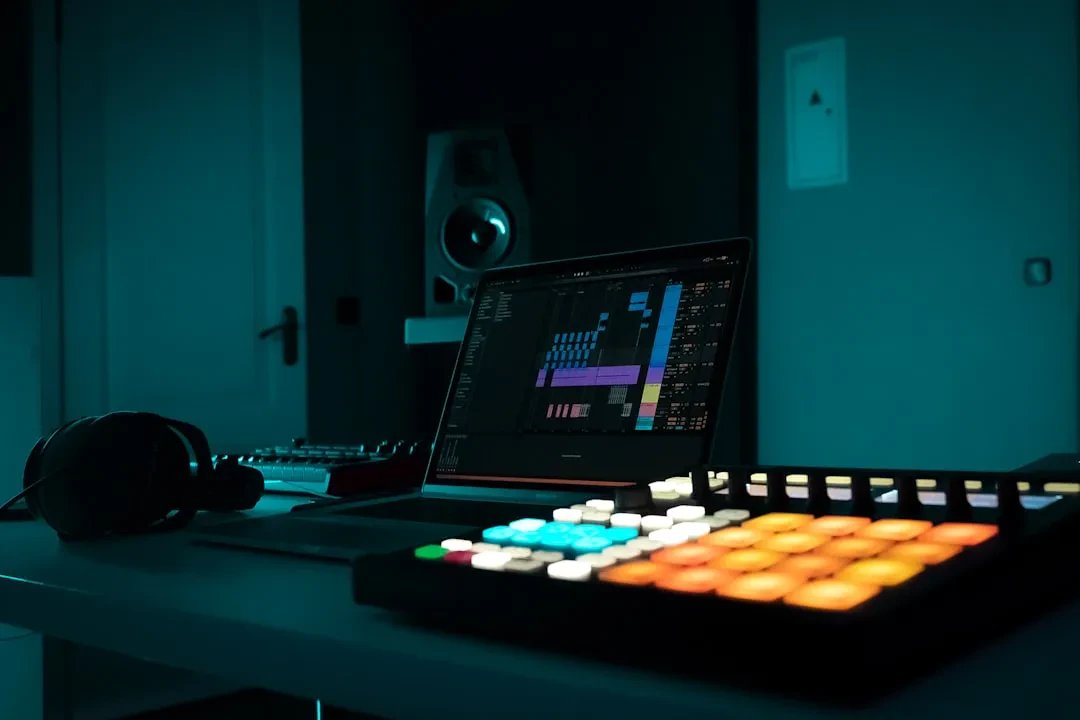
Akai Professional has refreshed two of its most beloved workstations, the MPC One and the Key 37. The new versions, dubbed MPC One G2 and Key 37 G2, bring significant improvements in processing power and storage capacity, making these machines even more versatile for producers and musicians.
At the heart of these updates lies a new eight-core processor. Compared to previous models, this chip promises a substantial increase in processing speed, enabling more complex projects and drastically reduced load times. RAM has been doubled from 2 GB to 4 GB, while internal storage has increased from 32 GB to 64 GB. According to the company, these changes translate into "dramatically faster load times, larger project capacity, and smoother standalone sessions."
In standalone mode, both machines now support up to 32 simultaneous virtual instruments and 16 concurrent stereo tracks. For comparison, the original MPC One and Key 37 maxed out at around eight virtual instruments and eight stereo tracks. Sixteen tracks are often enough to complete a full song without turning to a computer, a limit that many producers appreciate for the creative freedom it offers.
Sponsored Protocol
The new models run the MPC 3.9 operating system, the latest standalone production platform from Akai. This version integrates a full linear arranger, expanded arrangement workflows, and a new synth engine. All this is manageable via a 7-inch multi-touch color display, which facilitates navigation and editing. For projects that exceed standalone capabilities, both devices integrate with most DAWs via a single USB-C connection, which can also be used to capture audio from external sources like smartphones, tablets, and turntables.
Akai has enriched the software bundle by including free access to the Native Instruments Analog Dreams virtual instrument. Given that Akai and Native Instruments are now under the same corporate umbrella, more NI content can be expected in the future. Both machines are available now: the MPC One G2 costs $800 and the Key 37 G2 costs $1,000. The main difference is the built-in keyboard on the Key 37, ideal for traditional songwriters, while the MPC One remains a powerhouse for sample-based music.
Sponsored Protocol
The evolution of standalone workstations is redefining the way music is produced. More and more artists are choosing to work without a computer, and Akai responds with increasingly powerful machines. In a market where mobility is key, having a powerful and compact device can make a difference. Similar trends can be seen in other fields: for example, in Shenzhen, operating humanoid robots with your own body has become a coveted job, a sign that technology is changing creative and manual work. Along the same lines, integration with smart home ecosystems, such as the Matter 1.6 standard introducing NFC and smarter thermostats, shows how connectivity is becoming more pervasive. For those wanting to delve deeper, the Wikipedia page for Akai provides a historical overview of the brand.
Sponsored Protocol
Ultimately, the MPC One G2 and Key 37 G2 represent a substantial upgrade for anyone seeking a cutting-edge standalone workstation. With a faster processor, more RAM, and more storage, these machines are ready to handle complex music projects without compromises. The choice between the two models depends on personal preference: if you love playing on a keyboard, the Key 37 is the right pick; if your workflow is based on sampling and pads, the MPC One G2 is the ideal companion.
Source: https://www.engadget.com/2196725/akai-refreshes-the-mpc-one-and-key-37-workstations