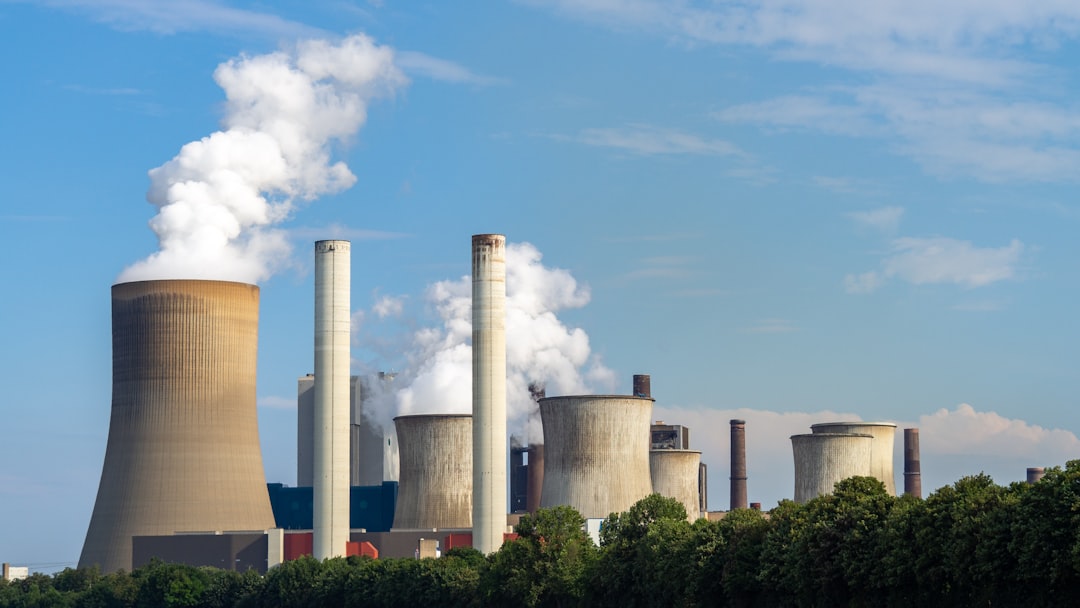
The Seattle-based tech giant is about to realize a project that could rewrite the environmental rankings of the United States. According to a New York Times report on August 8, Amazon has initiated construction of a natural gas power plant in Pecos County, Texas, designed to power a new artificial intelligence data center. The permits authorize the plant to generate up to 7.65 gigawatts of power through 35 gas turbines, with authorized emissions of 33 million tons of CO₂ per year. This figure exceeds that of any other power plant in the country, making this site the single largest source of greenhouse gas pollution in the US.
The news comes at a delicate moment for Amazon's climate strategy. In 2019, the company launched The Climate Pledge, a voluntary coalition of over 700 companies committed to achieving net-zero emissions by 2040. However, the company's emissions have steadily increased in recent years, driven by the explosion of data centers needed to support AI. Analysts point to this infrastructure as the main cause of the failure to meet initial commitments.
Sponsored Protocol
The Pecos County gas plant is authorized to emit more CO₂ than any other in the US
According to project documents, the facility will use 35 gas turbines to generate electricity on an industrial scale. The amount of carbon dioxide released each year, 33 million tons, is higher than that of any other thermal power plant in the country, as reported by the NY Times. The figure is even more impressive when compared to the most polluting coal plants, which on average emit less than half. The choice of natural gas, although less polluting than coal, remains highly impactful on the climate.
Amazon reaffirms climate commitment but admits AI-related difficulties
Margaret Callahan, an Amazon spokesperson, said that "the world looks different now than when we co-founded the Climate Pledge," but reiterated that "our commitment hasn't changed." These words echo those of Microsoft, which is facing similar challenges in balancing AI expansion with its 2030 sustainability goals. The reality, however, shows that Amazon's emissions have grown year after year, and the new Texas plant will only increase pressure on the climate.
Sponsored Protocol
Data centers are abandoning the grid for dedicated on-site generation
Amazon's move is not an isolated case. A growing number of hyperscalers are leaving the traditional electrical grid to build their own "behind-the-meter" generation plants. The reasons are the long timelines required to connect new data centers to the grid, which can take years, and the growing protests from local communities over rising electricity bills. This trend has been documented in detail in our data center power roadmap, showing how companies like Amazon are accelerating toward self-generation.
Despite efforts to diversify with renewable and nuclear sources, such as Microsoft's deal with the Three Mile Island plant or Meta's agreement for orbital solar energy, natural gas remains the preferred choice for its scalability and immediate availability. The Trump administration has also openly promoted these projects, favoring oil, gas, and coal over renewable energy.
Sponsored Protocol
The Amazon Texas case is a striking example of how the AI race is redefining corporate priorities, pushing climate commitments to the background. As the company continues to expand its data centers worldwide, the question arises: how long can this compromise between technological innovation and environmental sustainability last? Perhaps the answer will only come when CO₂ emissions have a real economic cost for the companies involved. Meanwhile, other tech giants like Netflix are optimizing their infrastructures to reduce environmental impact, but the comparison highlights the complexity of the issue.