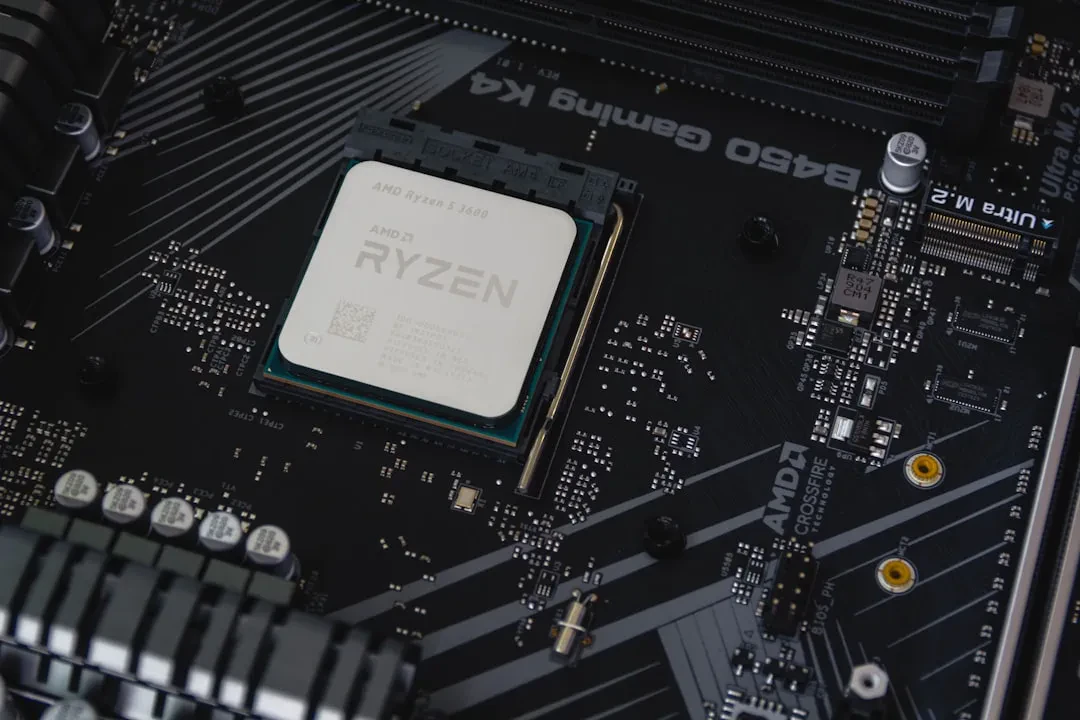
AMD has reinstated the memory encryption protection known as TSME in its consumer Ryzen processors, following weeks of backlash from the tech community over its silent removal. The decision comes after the company initially declined to comment on the change, which was first reported by Ars Technica.
The silent removal of TSME and user backlash
TSME stands for Transparent Secure Memory Encryption, a feature that encrypts the entire contents of RAM, rendering data useless in physical attacks such as cold boot attacks. Introduced about a decade ago in high-end AMD processors, the protection was later extended to lower-end lines, including consumer Ryzen chips. However, with the latest generation, AMD removed TSME without warning, and the removal went unnoticed on Windows systems (which do not report the lack of encryption) and was only detectable with advanced tools on Linux.
Sponsored Protocol
The discovery sparked outrage among security enthusiasts and professionals. Many accused AMD of trying to steer users toward its more expensive Pro processors, which retained the encryption. After media pressure, the company reversed course.
AMD restores encryption functionality in Ryzen CPUs
With a microcode update and revised technical specifications, AMD reactivated TSME on all affected consumer Ryzen processors. The move was welcomed, although the opaque handling left a bitter taste. Experts note that while physical attacks are rare on consumer devices, encryption provides an important defense layer, especially for laptops and mini PCs prone to theft.
The incident underscores the broader need for transparency in hardware security changes. As seen with other manufacturers, openly communicating feature modifications is key to maintaining user trust. The debate has also reignited calls for open standards in reporting processor security capabilities.
Sponsored Protocol
For AMD users, the advice is to ensure the latest BIOS or firmware update is installed. This episode also highlights broader chip industry challenges; for instance, component shortages are driving price hikes for products like the iPhone 17. Meanwhile, infrastructure evolution continues, as shown by the Rogfast subsea tunnel project enabling flexible data centers for AI.
For a deeper technical explanation of memory encryption, refer to the Wikipedia article on TSME. In the end, AMD corrected course, but the lesson remains: in technology, transparency is non-negotiable.