With the release of Android 17, Google has introduced a wireless native migration experience that significantly simplifies the process of moving from an iPhone to an Android device. The new feature, already available on select Pixel phones and coming soon to Samsung's latest foldables, allows the transfer of data that was previously difficult to move, such as Google accounts, passwords, and eSIM profiles.
Key improvements in Android 17's migration tool
According to Google, the upgraded method supports the transfer of Google accounts, passwords, Wi-Fi credentials, and eSIM profiles. It also retains support for photos, videos, contacts, messages, and calendars, as did the previous version. To use the migration, the iPhone must be running iOS 26.3 or later. The entire process is wireless, requiring no cables or additional apps.
The role of the European Digital Markets Act
The introduction of built-in, app-free data transfer tools is a direct result of the European Union's Digital Markets Act (DMA). This regulation requires services to offer data portability to prevent lock-in to a single operating system. As a result, both Apple and Google have implemented native options for data transfer during the initial setup of a new smartphone. Previously, users had to download dedicated apps like 'Move to iOS' or Samsung's 'Smart Switch' to migrate data. Now, during the setup of a new Android phone or iPhone, a screen appears asking if the user wants to import data from another device, greatly simplifying the process. The DMA also forced both companies to implement a streamlined eSIM transfer process.
Sponsored Protocol
Compatible devices and rollout timeline
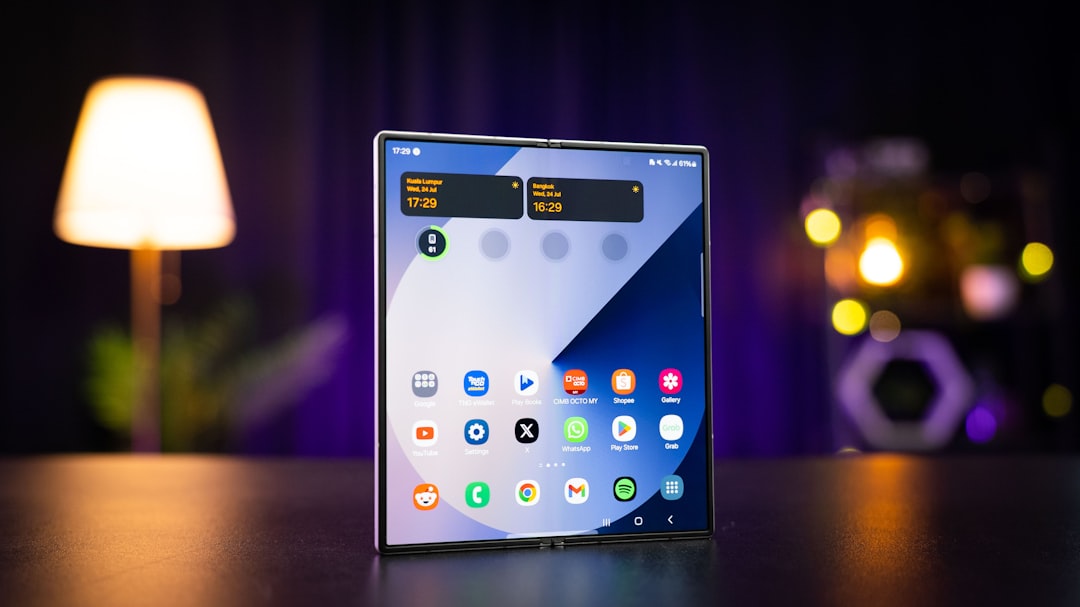
Android 17 with the new transfer feature began rolling out in June 2026 on select Pixel devices. It will soon arrive on Samsung's newly announced foldables, including the Galaxy Z Flip8 and Galaxy Z Fold8, as confirmed at the recent Galaxy Unpacked event. For those considering one of these models, the foldable buying guide can help with the decision.
Sponsored Protocol
Impact on users and future outlook
The ability to natively transfer passwords and Google accounts significantly reduces friction for users switching platforms. Moreover, compatibility with iOS 26.3 – which itself is available in public beta, as covered in the article about iOS 27 and iPadOS 27 betas – demonstrates technical cooperation between the two ecosystems. With the DMA already in effect, further simplifications such as app and system settings transfer are expected in the future. For more on the regulatory framework, see the Wikipedia page on the Digital Markets Act.
Source: https://www.macrumors.com/2026/07/22/iphone-android-17-switching-simpler