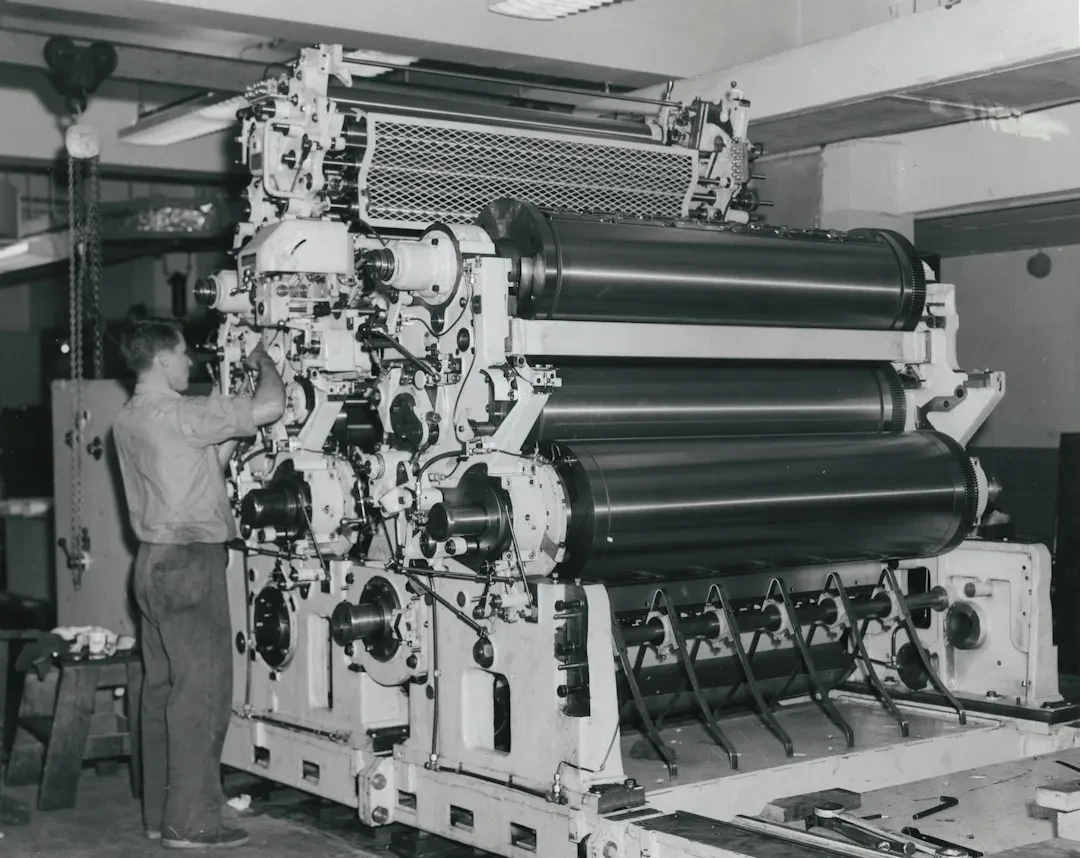
ASML, the Dutch lithography leader, has started shipping its new High-NA EUV machine priced at $400 million, a technological behemoth the size of a double-decker bus. The machine can pattern chip features as small as 8 nanometers, about 40 silicon atoms wide. This leap is essential to sustain Moore's Law and meet the surging demand for more powerful chips used in artificial intelligence.
Double-Decker-Sized Machine for Ever-Smaller Circuits
The High-NA EUV is an engineering marvel. Weighing over 150 tons of precision-milled aluminum, with thousands of tubes and cables, and mirrors achieving atomic precision, it is the result of 16 years of R&D costing roughly $10 billion. It generates extreme-ultraviolet light by vaporizing molten tin droplets with lasers, achieving double the resolution of its predecessor (13 nm). Marco Pieters, ASML's CTO, says "this technology allows customers to shrink features, opening up space for AI."
Sponsored Protocol
Impact on AI and the Chip Race
AI demand for chips is exploding. Companies like OpenAI and Anthropic are building ever-larger server farms to train next-generation models. ASML's machine promises to fuel the "AI party" for at least another decade, enabling denser, more energy-efficient chips. However, reliance on ASML and its duopoly with TSMC raises concerns. In the US, Anthropic challenges the US government, while Microsoft and Chevron build power plants for AI, highlighting energy needs.
Sponsored Protocol
Chip Geopolitics: US Embargo and Replication Attempts
ASML's monopoly has geopolitical fallout. The US embargo prevents selling EUV machines to China, prompting Beijing to invest billions in replication. Startups like Substrate aim to create smaller, cheaper lithography tools, but the path is steep. As author Marc Hijink notes, "chips are the new oil" and ASML is the Strait of Hormuz. For the original story, see MIT Technology Review.