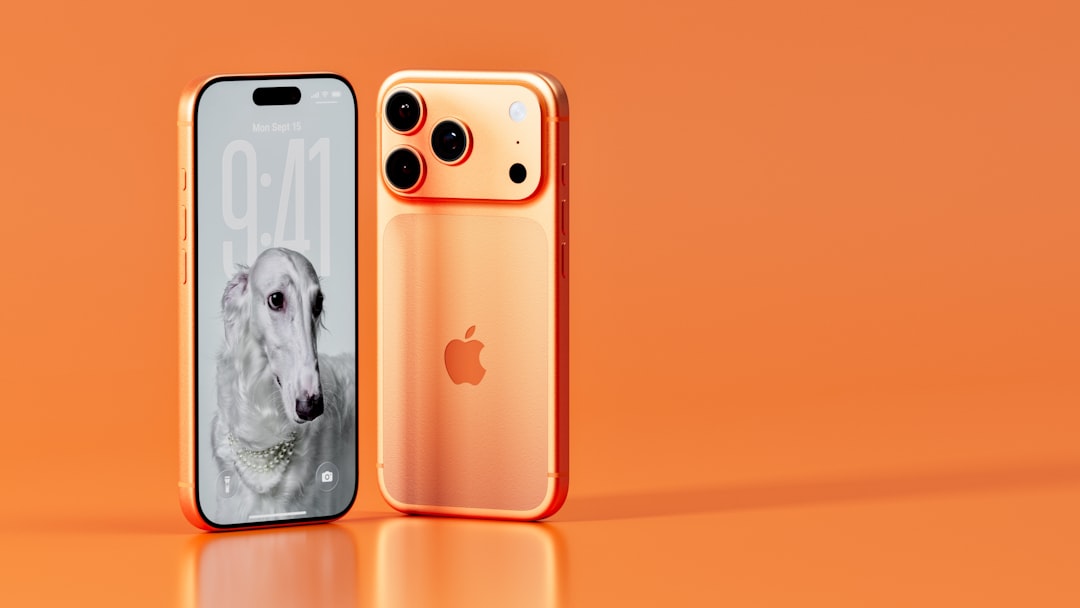
Apple is overhauling its iPhone launch strategy, adopting a staggered schedule that separates flagship models from more affordable ones. According to sources close to Cupertino, the next iPhone generation will not follow the traditional single September event. Instead, only the iPhone 18 Pro, iPhone 18 Pro Max, and the first foldable iPhone will debut this September 2026, while the base iPhone 18, iPhone 18e, iPhone Air 2, and iPhone Ultra will arrive in spring 2027.
The decision comes after years of gradual lineup expansion. A few cycles ago, Apple launched only three models annually. With the introduction of the iPhone 16e, that number grew to five, and with the upcoming iPhone Ultra, it will reach six different devices. Such a rich lineup made it difficult to give each model proper spotlight during a single fall event.
Sponsored Protocol
Splitting launches to focus on flagship models
Apple has therefore opted for a clear division: premium models in autumn, more affordable ones in spring. The goal is to prevent cheaper devices from being overshadowed by their higher-end siblings, a phenomenon already observed with iPhone mini and iPhone Plus, which had disappointing early sales. Under the new scheme, each product family receives a dedicated launch window.
According to leaks, however, the distinction between iPhone 18 and iPhone 18e may become thinner. Apple is reportedly working to unify the production techniques of the two models, making them very similar. Differences might be limited to the display panel and camera setup. It remains to be seen whether this will lead to an improvement of the budget edition or a downgrade of the base model.
Sponsored Protocol
The new strategy will likely impact the average selling price. Users eager to buy the latest iPhone immediately will be forced to choose a more expensive Pro model instead of the more affordable base iPhone 18. Whether the split will boost overall sales remains to be seen, but Apple is betting on clearer positioning.
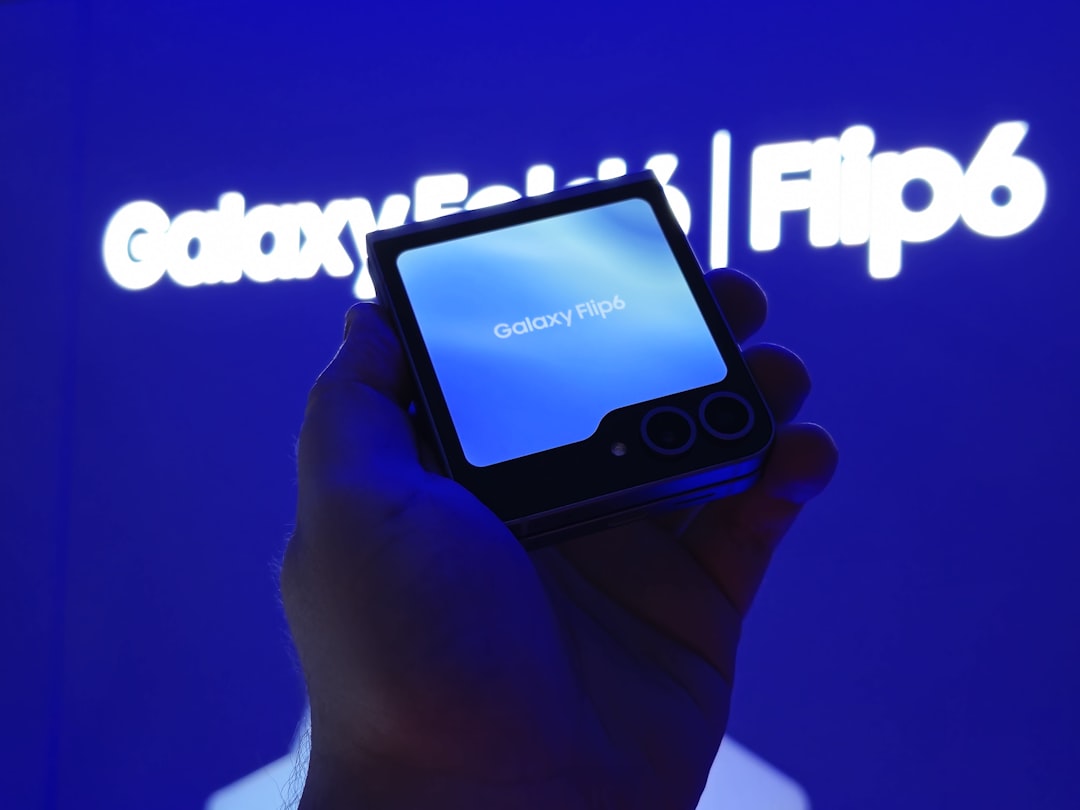
The foldable ecosystem is now the new battleground. With the debut of the foldable iPhone, Apple enters direct competition with Samsung and other manufacturers, which already offer devices like the Galaxy Z Fold 8 Ultra. Cupertino's move could redefine market expectations, leveraging integration with the existing ecosystem.
The decision to stagger launches echoes other recent moves in the tech industry. For instance, Qualcomm raised chip prices, influencing future smartphone costs. Apple seems intent on controlling the narrative around each product, avoiding attention focusing solely on top-tier models.
Sponsored Protocol
According to insiders, Apple's foldable may incorporate innovative technologies, but official details remain under wraps. For broader context on the history of iPhones, see Wikipedia's iPhone page.
Apple's new direction marks a significant shift: no longer a single blockbuster event, but a cadenced rhythm that accompanies users throughout the year. Enthusiasts must now decide whether to buy a Pro model immediately or wait until spring for a more accessible device.
Source: https://9to5mac.com/2026/07/25/heres-why-iphone-18-wont-launch-in-september