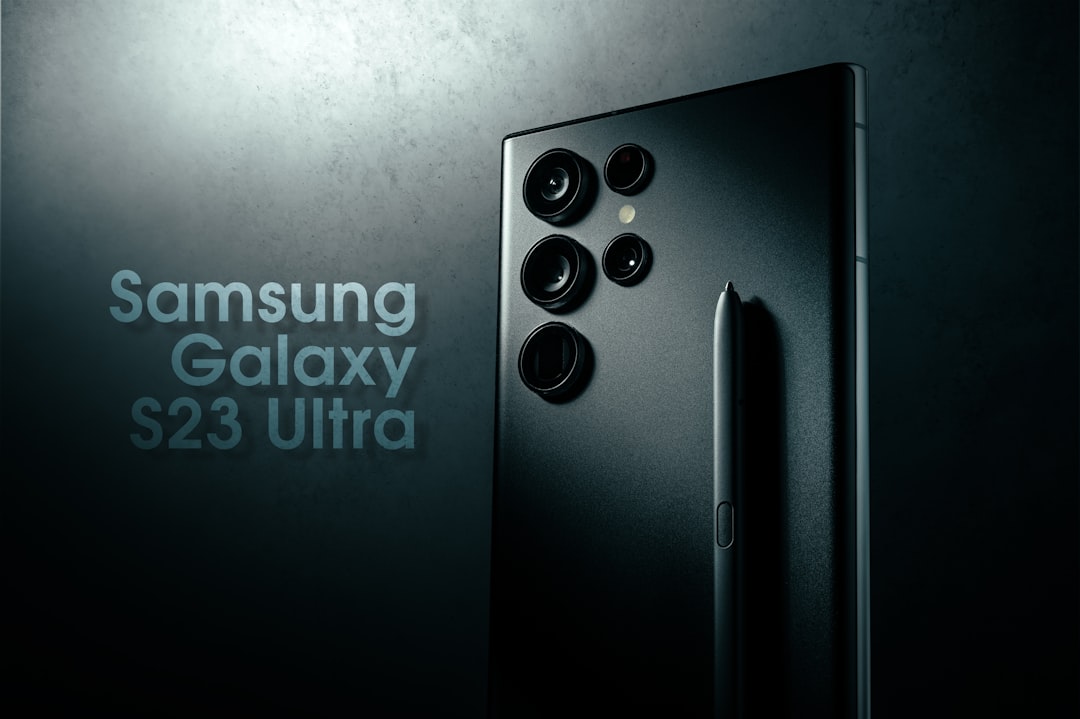
Parth, a technology analyst who covers the Android ecosystem, switched from his Google Pixel 8 to the Samsung Galaxy S25 Ultra. On paper, it seemed like a no-brainer: a superior display, more powerful hardware, better zoom cameras, an S Pen, and extensive customization. But after weeks of use, Parth discovered that the upgrade was not so straightforward. Here are the three key trade-offs no spec sheet shows.
Powerful hardware comes with denser software
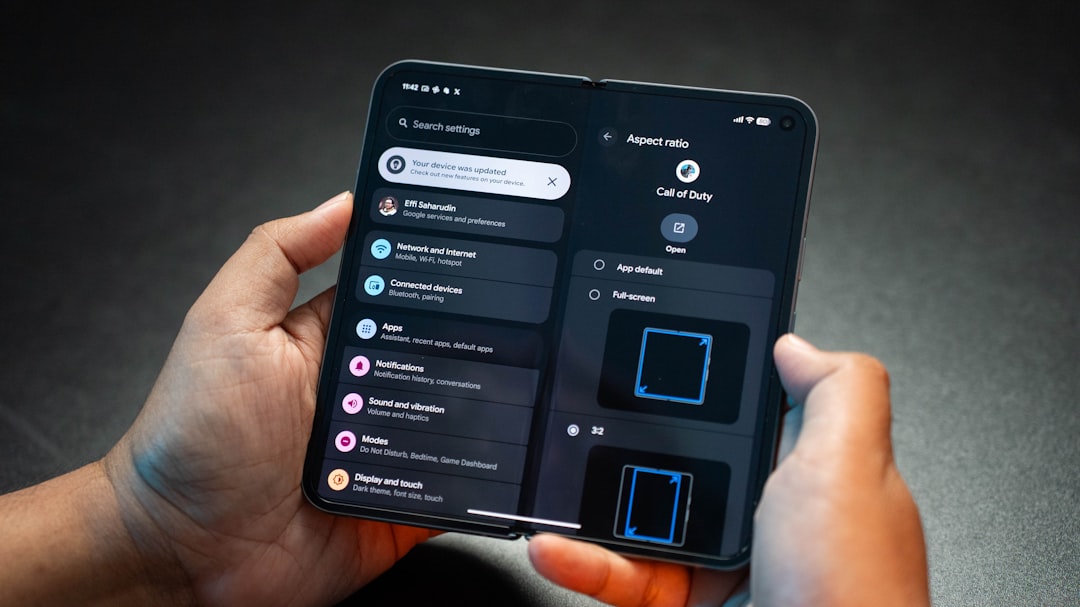
The Galaxy S25 Ultra offers a wealth of features with One UI 8.5: complex modes and routines, stacked widgets, and the S Pen. However, this richness translates into a denser, less fluid interface compared to Pixel UI. The Pixel 8 with Android 17 feels lighter and more cohesive, almost playful, while One UI requires time to tame. Parth spent initial hours turning off features, rearranging menus, and choosing between Samsung and Google apps, friction the Pixel never caused.
Sponsored Protocol
Versatile camera but less reliable
The Galaxy S25 Ultra boasts 5x optical zoom and a 200MP sensor, but consistency in quick shots is lower. The Pixel 8 produces more reliable images with moving subjects like kids or vehicles, thanks to more predictable software processing. With the Galaxy, Parth found himself taking multiple photos to get the right one, while the Pixel delivered an acceptable result on the first try. Versatility does not always beat reliability.
Duplicate apps and conflicting ecosystems
An unexpected aspect was the presence of duplicate default apps: two galleries, two calendars, two stores, two browsers. Samsung offers capable alternatives like Samsung Notes and Tasks, but choosing between ecosystems created confusion. Parth received duplicate notifications and had to decide which service to use for each task, mental friction that the Pixel, with its native Google integration, did not have. Moreover, Pixel-exclusive features like Now Playing and instant voice typing were missed.
Sponsored Protocol
Switching from Pixel to Galaxy Ultra is not a simple step forward but a trade-off between power and simplicity. For more comparisons on foldables, read Galaxy Z Fold 8 Ultra costs $2,100: 5 foldable smartphones that offer better value, and for future pricing implications, see Qualcomm raises chip prices by double digits, Galaxy S27 Ultra to cost more. For a technical deep dive, visit the Wikipedia page for Google Pixel 8.