After years of hands-on testing, I've narrowed down the best portable solar panels for anyone seeking clean, free energy from the sun, whether for travel or emergency backup. These devices, when paired with a solar generator or portable power station, can be a game-changer when off-grid. The market offers a wide range of options, but the right choice depends on key factors such as maximum wattage, connector types, portability, and price. One often overlooked aspect is compatibility with your existing generator, as many manufacturers use proprietary connectors that limit your pairing options.
Jackery SolarSaga 200 stands out as the efficiency champion
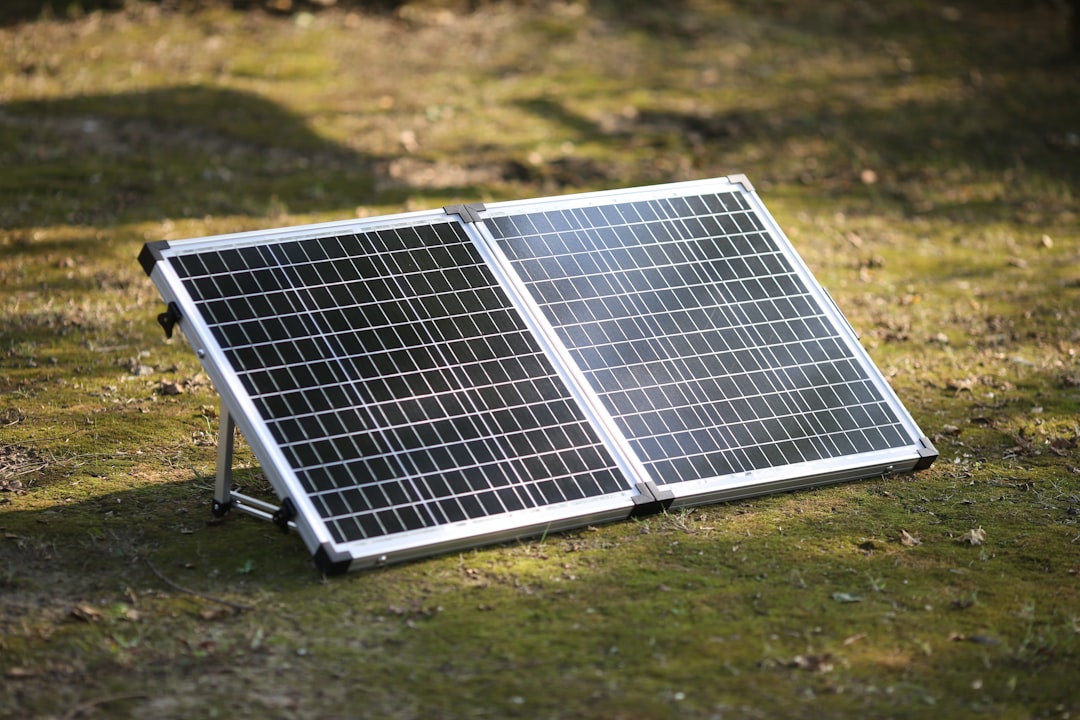
In my tests, Jackery panels consistently delivered top-tier performance. The Jackery SolarSaga 200, rated at 200 watts, produced around 140 watts in full sun, peaking at 170 watts. Even under overcast skies, it generated above-average power. While its folded size isn't the most compact, the molded plastic handles, in Jackery's signature bright orange, make it easy to carry one-handed. The magnetic closure and Velcro-attached legs allow for quick setup and takedown, unlike metal fasteners on other models. With this panel, I fully charged the Explorer 2000 Plus power station from about 20 percent in two scorching days. The only downside is the proprietary DC8020 barrel connector, designed for Jackery's own power stations, but many of their generators have two barrel ports, enabling simultaneous connection of two panels. The latest version of the SolarSaga 200 is bifacial and boasts an increased conversion efficiency of up to 26.7 percent (up from 24 percent in the model I tested) and an IP68 rating, making it resistant to rain and dust.
Sponsored Protocol
Bluetti offers high-wattage panels for extreme needs
If your energy demands are high, Bluetti's 350W and 500W panels deliver substantial power, though their list prices are steep. However, they frequently go on sale, so it's worth waiting for discounts. The 350W model features a familiar folding design with fold-out feet and a sliding strap with metal fasteners to adjust the angle. It weighs just over 30 pounds, but the molded handles make it manageable. In testing, I achieved a maximum of around 290 watts, with a conversion efficiency of 23.4 percent. The larger 500W panels fold down to a similar profile and weigh roughly the same, but they offer a slightly better 25 percent efficiency, and I pulled around 490 watts under ideal conditions. Both are IP67-rated and come with MC4 to XT60 cables. While the 350W is relatively easy to set up, the 500W is quite finicky: it's split into twelve sections and unfolds in a double row, requiring effort to position the feet and ensure stability. Also, beware of wind at higher angles, as a gust can easily topple it. On the plus side, it folds down impressively small with a nice rubberized handle.
Sponsored Protocol
BougeRV flexible panel: ideal for RVs and vans
For those with an RV, van, or cabin roof, the BougeRV flexible panel is a lightweight and versatile solution. With 200 watts of power and a thin profile, it can bend up to 270 degrees to conform to curved surfaces. While no mounting hardware is included, it can be attached with adhesive or strong double-sided tape, or bolted through pre-drilled holes. It weighs just under 9 pounds and boasts an IP68 rating. Conversion efficiency is 25 percent, and I recorded 165 watts at peak sun. It's not designed for handheld portability, but it's perfect for permanent installation. BougeRV also offers a smaller 100W model for lighter needs.
Sponsored Protocol
Anker, DJI, and other alternatives worth considering
Among alternatives, the Anker Solix PS200, tested previously, is a folding 200-watt panel with IP67 rating and a familiar design with molded plastic handles. Its 23 percent efficiency is lower than the SolarSaga 200, but its lower price and inclusion of MC4 connectors and XT60 cable make it a solid choice for those without Jackery stations. Anker has recently released new bifacial panels (PS100 and PS200) that appear more compact and efficient, but I haven't tested them yet. DJI's IBC Power 200W panels, tested at their request, produced up to 160 watts in full sun but require an MPPT adapter for some DJI power stations. EcoFlow and Renogy also offer interesting models, like EcoFlow's 220W panel, but I haven't had the chance to fully test them. For more on recent tech news, check out our coverage of Made by Google 2026 or Microsoft Windows 11.
Sponsored Protocol
Source: https://www.wired.com/story/best-portable-solar-panels