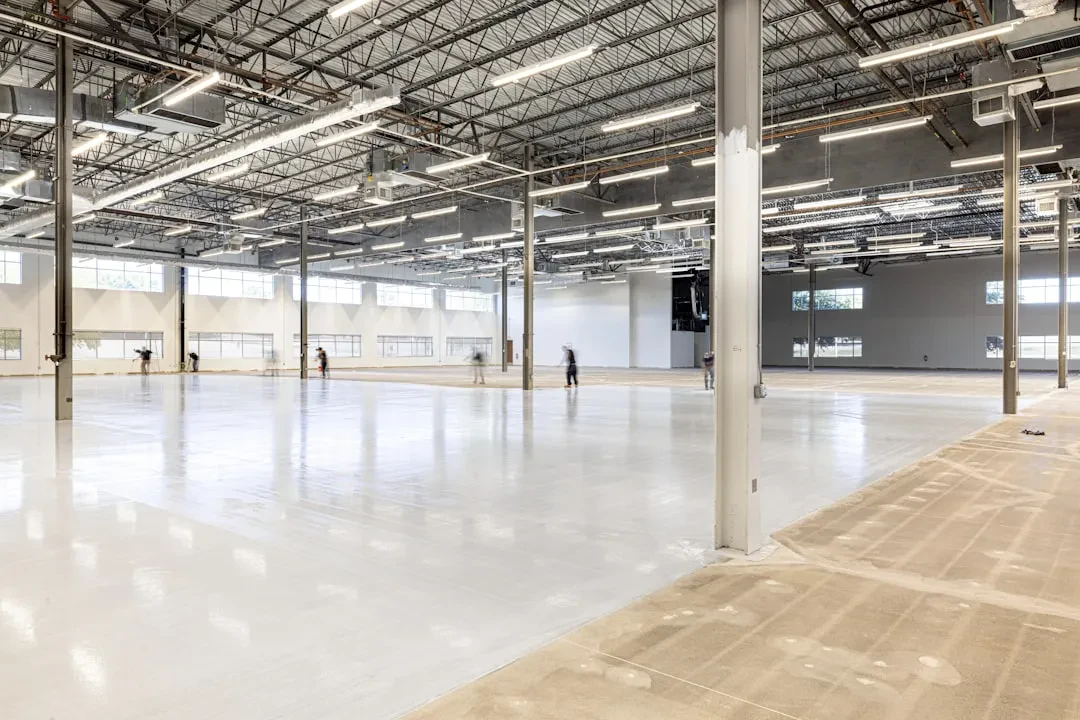
Big Tech is pouring billions into data centers. Google, Amazon, Microsoft: new mega campuses across the globe. In Italy, they are rising in Lombardy, Lazio, Piedmont. The news? Some American electricians are beginning to ask whether building them is selling out. Wired reports the growing opposition. Why? Because these facilities consume massive energy, occupy land, and often bring only temporary jobs while profits flow elsewhere.
The question is legitimate. And it applies to Europe and Italy too. At Meteora Web, we work daily with SMEs using American cloud services without knowing where the computing power comes from. Meanwhile, the EU political debate on the AI Act and digital sovereignty struggles to translate into locally controlled infrastructure.
Sponsored Protocol
Our position is clear
We at Meteora Web do not believe building data centers is inherently selling out. The problem is the model. If a data center is built with public incentives (tax breaks, subsidies) but revenues and data go straight to the US, then yes, it’s a bad deal for local communities. Italian SMEs deserve efficient digital infrastructure — but also transparent: who owns the server? How much energy does it use? What tax return does it generate for the territory? We come from accounting: we know how to read numbers. And here, the numbers don’t add up if only the hyperscaler wins. Italy must invest in sovereign data centers — smaller, distributed, powered by local renewables. Not autarky, but avoiding becoming a digital ATM.
Sponsored Protocol
And there’s the human side: the workers building these cloud cathedrals deserve stable wages and career paths, not temporary construction sites. Those of us working in digital from Sicily know it well: the geographic divide is closed only with stable jobs and distributed skills, not with ad‑hoc megaprojects.
The bottom line is practical: a data center is a tool, not a goal. If you use it to keep your Italian clients’ data on Italian servers, good. If you use it to scale your e‑commerce, good. But if you just endure it because there’s no local alternative, you’re paying to depend. We prefer owned stacks and control — the same goes for infrastructure: own it, don’t rent it for life.