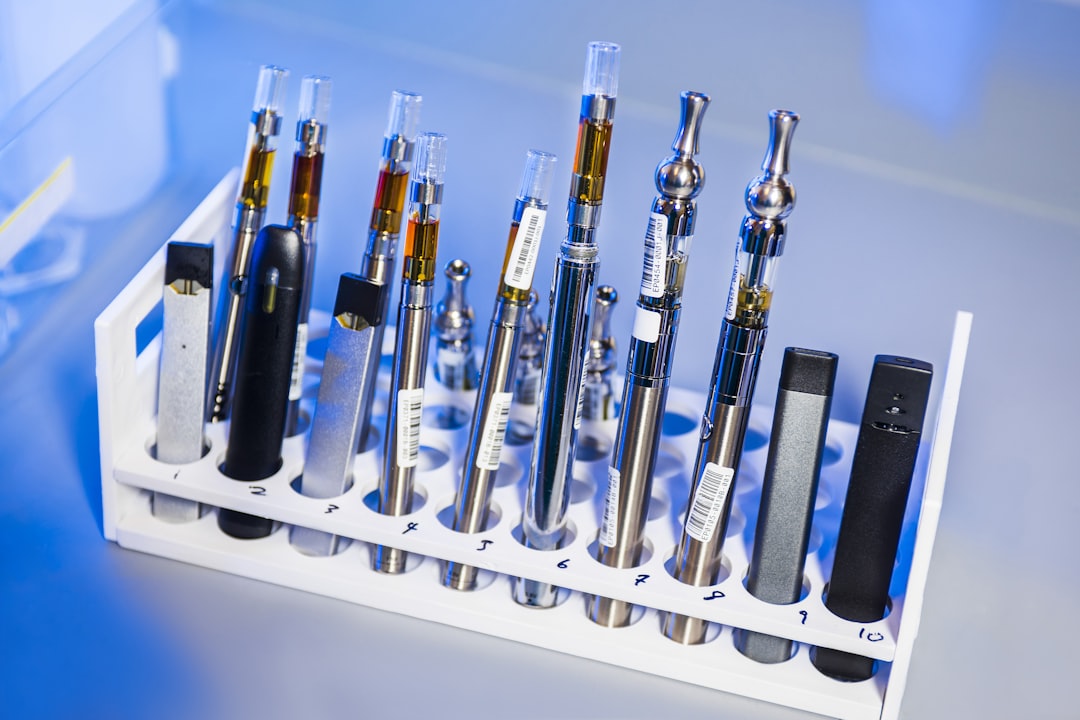
Flavored nicotine vapes are largely illegal in the United States, yet convenience stores and tobacco shops have generated billions in sales despite FDA efforts. In recent years, Chinese manufacturers have found a new way to sidestep the law by using nicotine analogs, little-studied chemicals that mimic nicotine's effects but fall outside current legal definitions.
Nicotine analogs evade FDA oversight
After Congress closed the synthetic nicotine loophole in 2022 by expanding regulation beyond tobacco-derived nicotine, Chinese manufacturers began filling their vapes with compounds like 6-methyl-nicotine. Because federal regulations still narrowly define what counts as nicotine, these products can be sold without the scientific review required by the FDA. Robert Jackler, emeritus professor at Stanford University, compares the situation to a game of "whack-a-mole": companies do everything they can to circumvent regulation.
Sponsored Protocol
Animal studies reveal greater potency of 6-methyl-nicotine
The effects of nicotine analogs on humans have not been extensively researched, but animal studies indicate that 6-methyl-nicotine could be more potent and addictive than regular nicotine. A 2024 study also found some products contain undeclared ingredients, such as artificial sweeteners and cooling agents with unknown inhalation risks. "What's on the label has very little relationship to what's in it," says Jackler.
Big Tobacco's silence and state-level responses
US tobacco companies have studied similar compounds since the 1970s but never marketed them. Now, Chinese products flood the market. While the Trump administration has dismantled CDC tobacco prevention offices and reduced FDA's Center for Tobacco Products staff, much of the regulatory burden has fallen on states. California, Nebraska, Indiana, and Tennessee have expanded their definitions of tobacco products to include nicotine analogs. However, a comprehensive federal law is still missing.
Sponsored Protocol
Trump 2027 budget proposal could close the loophole
The proposed budget for fiscal year 2027 includes a legislative change to expand the definition of nicotine to include analogs, allowing the FDA to regulate them like traditional cigarettes. The proposal notes that these compounds "can be more potent, more addictive, and more cytotoxic than nicotine." If enacted, the change would close the loophole Chinese manufacturers have exploited but could also pave the way for major US tobacco companies to develop their own analog products. Jackler observes that "what we're seeing is the administration adopting the agenda of big tobacco." Just as the malware hidden in Meccha Chameleon's save files evaded detection, these companies find ingenious ways to bypass rules. For more background, see the Wikipedia entry on nicotine analogs.
Sponsored Protocol
Source: https://www.wired.com/story/made-in-china-chinas-vape-makers-have-a-new-way-around-flavor-bans