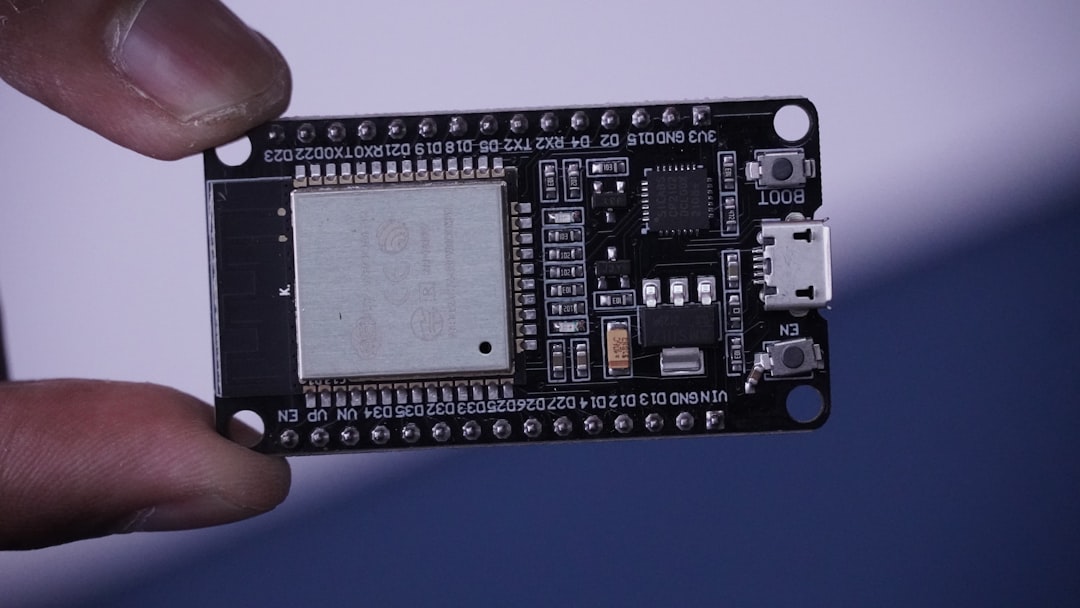
Blocking annoying online ads often requires software like Pi-Hole running on a Raspberry Pi. But what happens when the device reboots or goes offline? Egyptian developer ZedAxis has proposed a compact and inexpensive alternative. He created a dongle based on the ESP32-C3 SuperMini board costing under $5, capable of storing over 537,000 blocked domains in just 4MB of flash memory.
A pocket-sized DNS sinkhole for ad blocking
The device acts as a DNS sinkhole: it intercepts DNS requests and prevents ads from known domains from loading. ZedAxis showcased the project in a YouTube video, demonstrating its simple setup. The board features Wi-Fi, Bluetooth 5.0, and is powered via USB-C, making it easy to plug into a router, TV, or any always-on device with a spare USB port. A 3D-printed case protects the hardware.
Sponsored Protocol
How 537,000 domains fit into 4MB of flash
Compression is the key innovation. Instead of storing domains in standard format, ZedAxis uses a 40-bit FNV-1a hashing algorithm optimized for speed and low collision rates. In practice, 141,000 domains occupy only 0.7MB of flash, while real-time matching requires less than 50KB of RAM. The maximum limit is around 250,000 domains to leave room for OTA updates, but users can decide the blacklist size during initial setup.
The source code is available on GitHub and includes features like a web dashboard, mDNS support, and over-the-air updates. Future additions may include DHCP server configuration. Such a project could interest small businesses looking to reduce bandwidth consumption caused by ads.
Sponsored Protocol
For those interested in blocking technologies, a recent article revealed how Apple can lock down leased iPhones via code in iOS 27 beta. Additionally, to understand the underlying technology, check the Wikipedia page on ESP32.