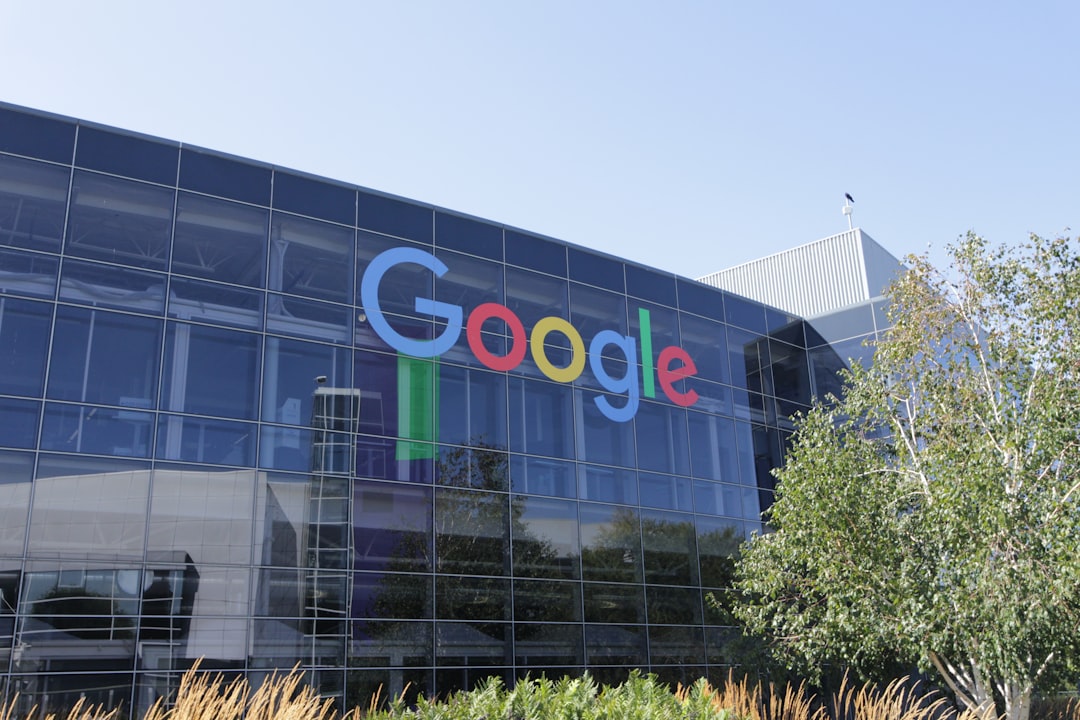
The European Commission has officially announced new measures under the Digital Markets Act (DMA) that force Google to alter its business practices in the EU. The legally binding decisions cover two key areas sharing search data with competitors and opening the Android platform to rival artificial intelligence systems. As a designated gatekeeper, Google has no choice but to comply, but it has already voiced concerns about risks to user privacy and security.
Search data sharing an unprecedented demand
The first measure requires Google to share its search data with third parties. This means competing companies can access previously proprietary information to improve their own search engines or develop alternative services. The Commission believes this will boost competition and give consumers more choice. Google, however, argues that data access could expose sensitive information and facilitate abuse, citing user privacy risks. Recent legal actions, such as the San Francisco Attorney General's order against AI nudify apps on Google Play, highlight the growing focus on data protection in a related article.
Sponsored Protocol
Gemini loses exclusive status on Android smartphones
The second measure forces Google to remove privileges granted to its AI assistant Gemini on Android devices. Currently, Gemini is preinstalled on all Google-certified phones, responds to the "Hey Google" hotword, and can access system features like app automation and screen content. The new rules require that rival AI platforms receive the same system-level capabilities and integration. This means assistants like Alexa, Siri, or other third-party solutions can be set as default and enjoy equal access to phone functions. This change could reshape the mobile AI market, shifting the balance of power that has favored Google so far. The economic impact on AI development costs is already under analysis, as discussed in another article.
Sponsored Protocol
Google's privacy and security concerns
Google has strongly opposed the measures, arguing they undermine Android's built-in security. The company fears that broad access to search data and the operating system by external entities could increase risks of breaches and cyberattacks. However, the European Commission emphasizes that the technical specifications were designed to balance competition and protection, including security requirements for third parties. The tension between regulation and innovation is set to intensify as Google adapts to an increasingly stringent European regulatory landscape, consistent with the Digital Markets Act.
Impact on the mobile AI market
The decision could accelerate the adoption of alternative AI assistants and spur a new wave of innovation. Startups and big tech companies can now compete on a more level playing field, offering advanced voice and automation services on the same Android devices. For consumers, this means greater choice and potentially more personalized features. However, questions remain about data management and ease of use, as users will need to familiarize themselves with new ecosystems. Google, for its part, must rethink its AI mobile strategy, losing the competitive advantage of exclusive Android integration. The game is open, and Europe confirms itself as the most influential regulatory laboratory for digital technology.
Sponsored Protocol