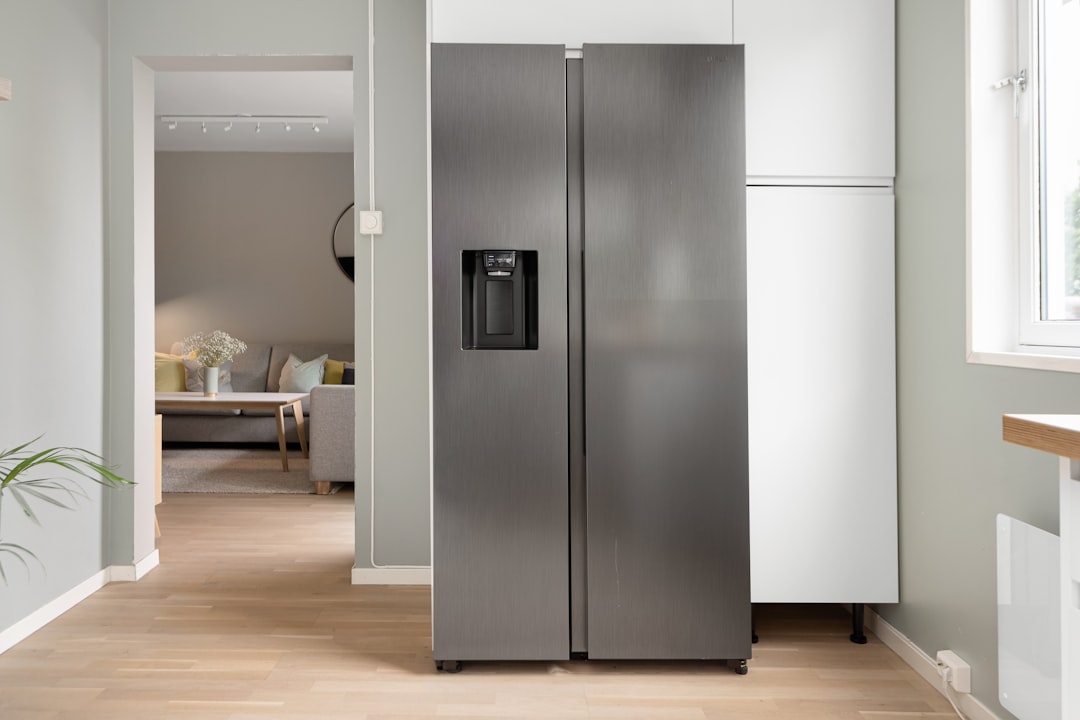
When you think about smart home devices collecting data, your mind probably goes to computers, phones, or smart speakers. Yet smart refrigerators, dishwashers, washing machines, and other connected appliances also transmit usage information back to manufacturers. According to a Consumer Reports study, major brands send anywhere from 3.4 MB to 19 MB of data each week. While that volume may seem small, the content can reveal personal habits, food consumption, and even family calendar entries.
Data transmitted beyond basic functionality
Collected data goes beyond technical details like power status or cycle duration. Kenmore, for instance, logs door openings, filter status, and temperature settings. LG and Samsung add identifying information such as ZIP code, phone number, and location. As artificial intelligence becomes more integrated, these data points can paint a detailed picture of household routines. A smart fridge knows how many eggs you eat weekly and when your child has soccer practice, while the washing machine tracks the ratio of delicates to towels. Similar transparency issues are highlighted in a related article on EU rules compelling Google to share search data, showing that data collection is a growing concern across all smart technologies.
Sponsored Protocol
Privacy policies of major brands
Most manufacturers use the data for direct marketing and service improvement. Samsung states that information is shared with "subsidiaries and affiliates" as well as third-party "business partners," without specifying which data is shared. LG allows users to request a copy of the personal information held. Bosch, through the Home Connect app, collects anonymous "touchpoint data" for statistical analysis. As noted in an analysis of AI software costs rising with consumption pricing, managing connected appliance data may become an additional cost for households by 2027.
Sponsored Protocol
How to review disclosures to safeguard your data
To see what your smart appliance tracks, start by reading the manufacturer's privacy policy. It is usually available online or in the product manual, though it often uses vague language. Contacting customer support directly can also yield clearer answers. While the collected data might seem innocuous, it is likely used for targeted advertising or shared with third parties. In a rapidly evolving regulatory landscape, awareness is your best defense. For a broader overview, Wikipedia provides background on smart appliances. Before purchasing a new connected device, consider not only the brand but also how transparent its privacy policy is, ensuring it aligns with your expectations for data protection.
Source: https://www.engadget.com/2210745/smart-appliances-data-transmission-weekly