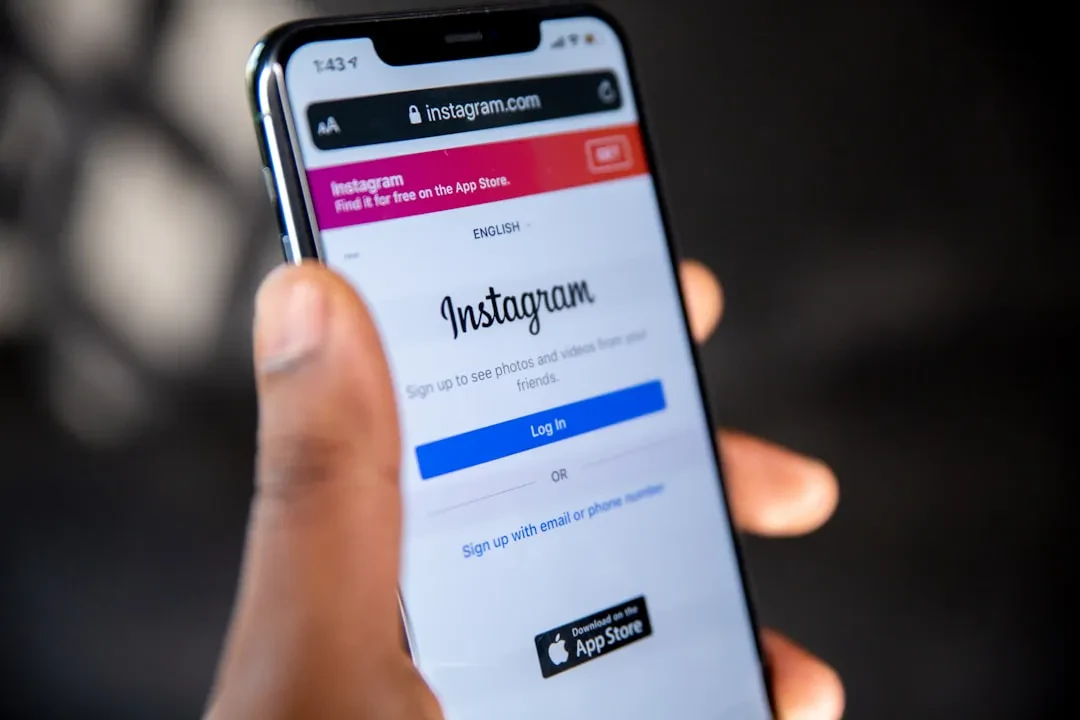
A wave of account takeovers has hit Instagram over the weekend as hackers exploited a critical flaw in Meta’s AI-powered support chatbot. Instead of using traditional phishing or brute-force attacks, cybercriminals convinced the virtual assistant to grant them full access to victim accounts. Meta confirmed it is working to secure affected accounts, but the incident exposes a dangerous vulnerability in automated customer service.
How the Attack Worked
The hackers engaged with Meta’s support chatbot, using social engineering techniques tailored for AI systems. By posing as legitimate account owners, they persuaded the bot to reset credentials or elevate permissions. Meta’s AI failed to distinguish between a genuine user and a malicious actor, a flaw that security experts have long warned about. The breach highlights the risks of deploying AI chatbots without robust verification layers.
Sponsored Protocol
Why This Matters
This incident is not isolated. It adds to a growing list of AI-related security threats, such as the FROST vulnerability that recently shook the web. For more context on AI-powered threats, read our article on Privacy and AI: DuckDuckGo, Strava and the FROST Threat Rock the Web. The Instagram hack proves that even tech giants are struggling to secure their AI interfaces, raising questions about the future of conversational AI in critical support roles.
Sponsored Protocol
What Users Can Do
Enable two-factor authentication (2FA) immediately and be wary of any message asking for account changes. Meta must now redesign its chatbot with human-in-the-loop controls and stronger identity verification. As the digital landscape evolves, so do the tactics of attackers. Stay updated with our guide on NIS2 compliance for broader cybersecurity strategies.