Interest in home batteries has surged in recent years, driven by the need to optimize self-consumption, reduce grid dependence, and guard against blackouts. With the rise of renewables and volatile electricity prices, more households are considering energy storage systems. But how do they work and what are the real costs? This article provides a comprehensive overview for anyone looking to make an informed decision.
Why Install a Home Battery
The reasons are multiple and not mutually exclusive. Many solar panel owners choose batteries to store surplus energy generated during the day for use at night, maximizing self-sufficiency. Others aim to live off-grid, especially in remote areas. Protection against power outages is another strong incentive, particularly in regions prone to extreme weather. Additionally, time-of-use tariffs allow users to buy cheap electricity overnight and use it during peak hours, saving money. Home batteries also benefit the power grid by helping balance demand and integrating intermittent renewable energy. As highlighted in a recent article about FERC and AI data centers, storage capacity is crucial for grid stability. For further reading, see the Home battery entry on Wikipedia.
Sponsored Protocol
How a Home Battery Works
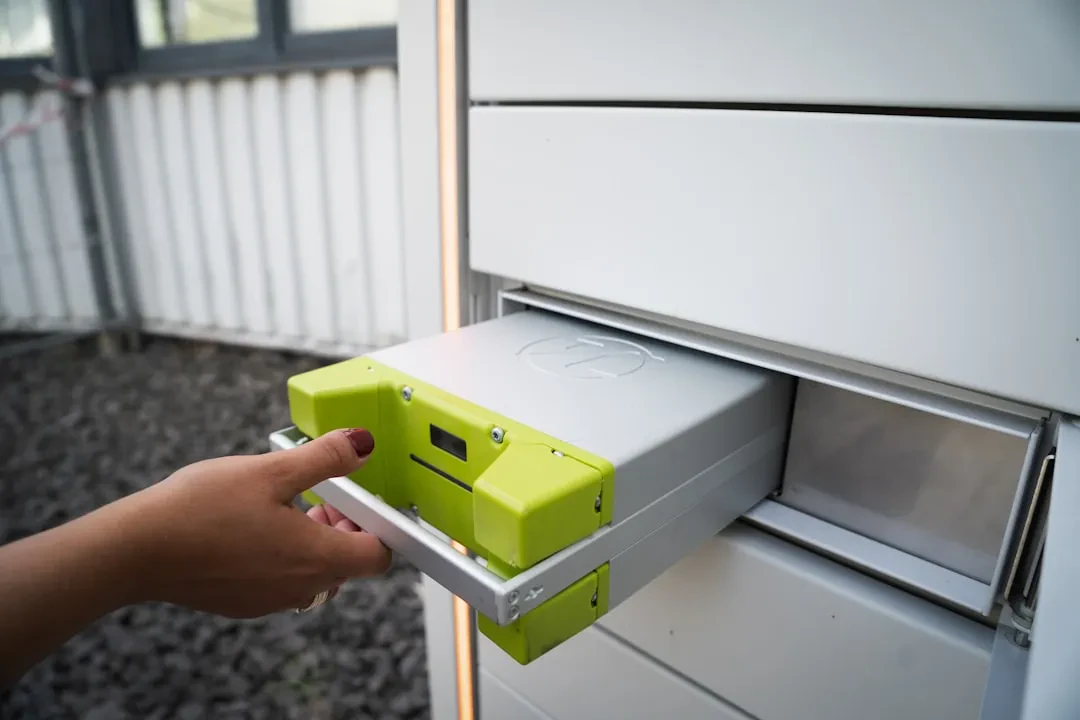
A home battery is essentially a large power bank for your house. The most common technology is lithium iron phosphate (LFP), favored for its safety, longevity, and resistance to thermal runaway compared to traditional lithium-ion. Some manufacturers are exploring sodium-ion batteries, potentially cheaper and more eco-friendly, but with larger size and shorter lifespan. Batteries store direct current (DC) and require an inverter to convert it to alternating current (AC) for household appliances. For those with or planning solar panels, a hybrid inverter is the best choice as it manages both panels and battery. The inverter's power rating, measured in kilowatts (kW), determines how many appliances can run simultaneously: a typical home may need 3.6 kW, but high-demand appliances like heat pumps or EV chargers require at least 5 kW. Modular systems allow adding capacity later, but expansions often need professional installation to maintain the warranty.
Sponsored Protocol
Key Considerations for Buyers
Key parameters are capacity (kWh), which indicates total energy storage, and maximum power output (kW). Depth of discharge specifies how much energy can be used without damaging the battery; efficiency percentage reflects usable energy versus stored energy. Warranty is critical, often stated in years or charge cycles: for example, EcoFlow guarantees at least 70% capacity after 15 years or 6,000 cycles. To calculate your needs, consider both average daily consumption and peak power usage. If you only use the battery for tariff arbitrage, a smaller capacity may suffice, while full off-grid living requires careful sizing.
Installation and Costs
Installation involves connecting to the main electrical panel; a second breaker box may be necessary if the existing one is full. In many countries, inverters above a certain power require approval from the local distribution utility. It's advisable to get quotes from certified installers (such as MCS in the UK) and arrange site surveys. The ideal location is a garage or basement, away from cold temperatures that reduce efficiency. Some batteries have built-in heating, but that consumes power. Costs vary: an EcoFlow PowerOcean system with a 6-kW hybrid inverter and 10-kWh battery costs about £6,500 (each additional 5-kWh module between £1,000 and £1,500). In the US, a 10-15 kWh system installed can range from $8,000 to $15,000. Various incentives exist, such as tax credits, government grants, or utility rebates. Payback time can range from 5 to 12 years, depending on tariffs and usage. Combining the battery with solar panels and heat pumps maximizes benefits.
Sponsored Protocol
Source: https://www.wired.com/story/how-to-buy-a-home-battery