For years I lived in a state of chronic fatigue. Waking up at 3 a.m. with a racing mind was normal. I relied on caffeine and sugar to get through the day, but my sleep quality was terrible. Then I decided to take a radical approach: for two weeks I cut out all artificial light after sunset, living by the sun's rhythm. Inspired by the Amish lifestyle, I discovered that my body simply needed a natural signal to restore balance.
Your circadian rhythm is the internal clock governed by sunlight
Dr. Alex Dimitriu, a double-board certified sleep specialist, explains that the circadian rhythm is a 24-hour cycle regulating sleep and wakefulness. When daylight fades, the body produces melatonin, the sleep hormone. But exposure to artificial light, especially blue light from screens, tricks the brain into thinking it is still daytime. This delays melatonin release and fragments rest. During camping trips, I always slept better: without electricity, I fell asleep early after sunset and woke up refreshed. A 14-day experiment (external source) confirmed that following the solar cycle can increase sleep duration by over two hours.
Sponsored Protocol
The Amish live without electricity and average 8 hours of sleep per night
Science journalist Linda Geddes, author of Chasing the Sun, visited an Amish community in Pennsylvania. Electricity is forbidden there: after dark, homes are lit only by gas lamps or battery-powered torches. Their evening routine is simple, with low-stimulation activities. As a result, Amish go to bed around 9 p.m. and wake before dawn without an alarm. Their sleep is deep and continuous, averaging 8 hours. Moreover, farm work provides physical activity that increases adenosine, the chemical that builds sleep pressure. In contrast, my sedentary life as a journalist kept me up late, postponing rest.
After the first night without artificial light I slept 8 hours 47 minutes
I replicated this lifestyle for 14 days. I moved my phone to another room, turned off all electric lights after sunset, and used only candles. Dinner was light and eaten early. The result was astonishing: the first night I slept 8 hours 47 minutes, with 1 hour 55 minutes of deep sleep. Brain fog gradually disappeared, concentration improved, and I no longer woke at 3 a.m. Mood changed too: less anxiety and more energy during the day.
Sponsored Protocol
Blue light from screens is the main enemy of sleep
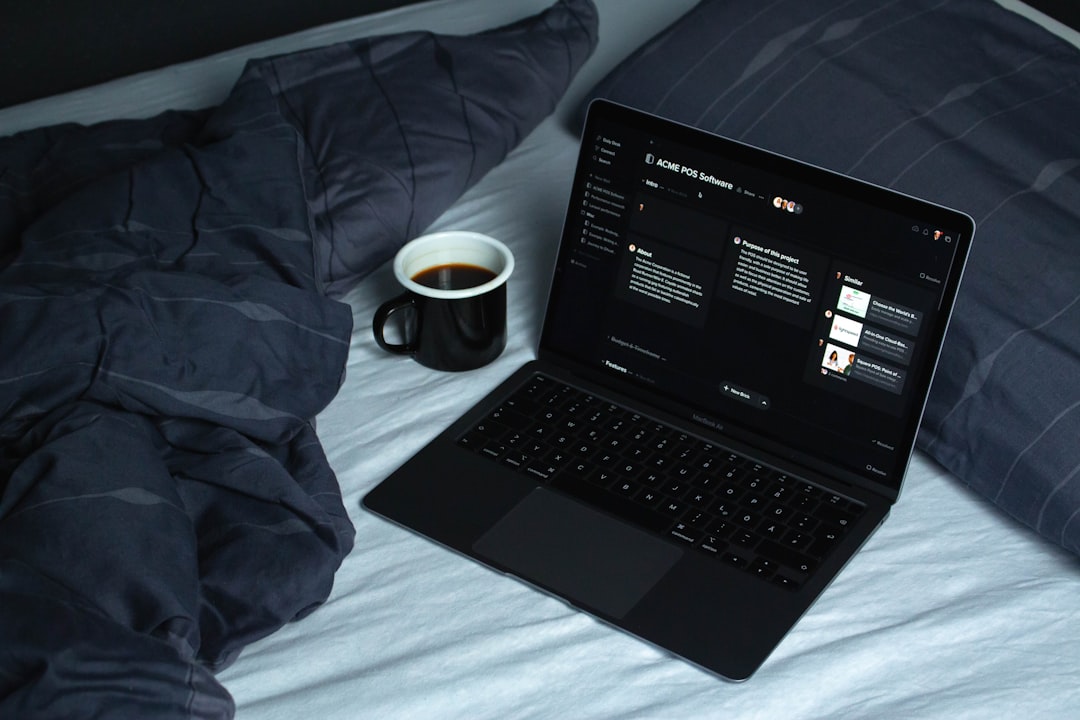
Dr. Dimitriu emphasizes that blue LED lights and screens are particularly harmful because they suppress melatonin. He recommends lowering light intensity in the evening and using warm tones. During my experiment, I also noticed that the absence of notifications and digital distractions promoted relaxation. Without the temptation to check social media, my mind calmed faster. For those who cannot eliminate technology entirely, blue-light-blocking glasses or apps that adjust screen color temperature can help.
A similar case is documented in an article on how an Apple Watch saved a man through fall detection, showing how technology can aid health, but also how excessive screen use undermines rest.
Sponsored Protocol
Physical activity during the day boosts sleep pressure
During camping, exercise helped me accumulate adenosine. To replicate this in the city, I started taking 30-minute walks early in the morning, exposing myself to direct sunlight for about 20 minutes. This simple act advanced my circadian clock, making it easier to fall asleep at night. According to a 2013 study, following a natural light cycle can realign the circadian rhythm and increase sleep by over an hour.
My experience proves that no expensive gadgets or supplements are needed: just listen to your body and sync it with the sun's natural cues. After two weeks, I decided to keep some habits, like turning off screens one hour before bed and using warm lights. Brain fog disappeared, and my productivity improved by 30%.