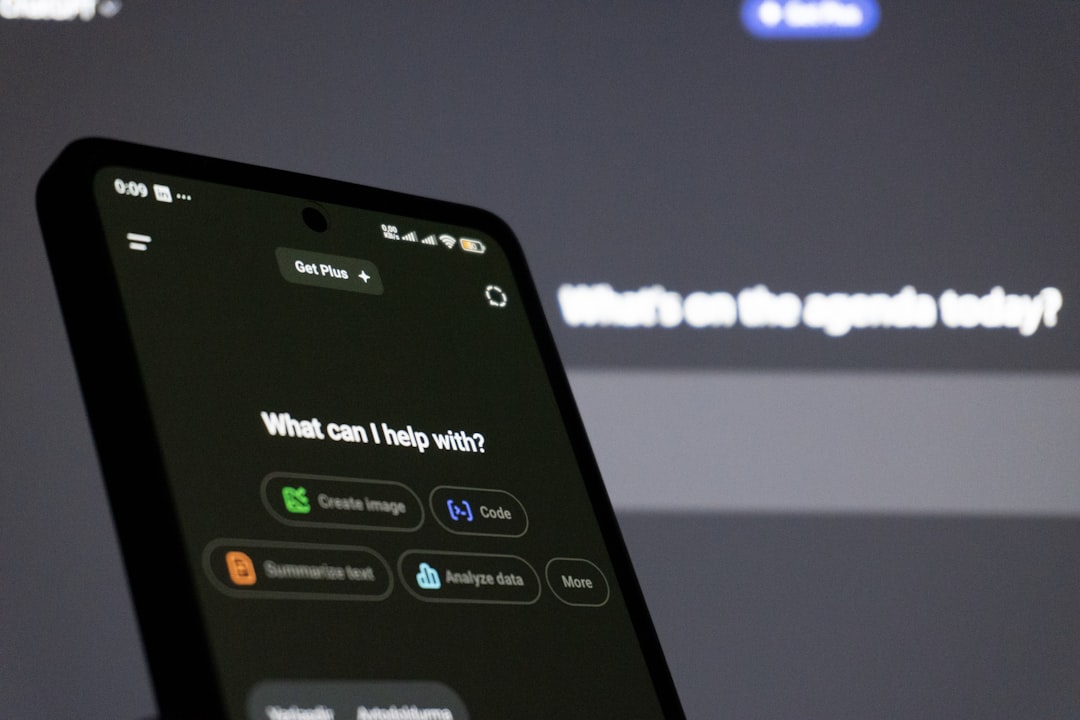
How often do we receive generic book suggestions? "If you like The Lord of the Rings, try Brandon Sanderson." But literary tastes are more nuanced. An experiment showed that ChatGPT can go far beyond that by analyzing your personal library to offer surprisingly accurate recommendations.
The problem with generic book recommendations
Traditional recommendation engines rely on popular genres and authors. They miss nuances like humor, narrative style, or social satire. A reader who enjoys ironic sci-fi or absurd bureaucratic worlds struggles to find targeted suggestions. ChatGPT, when fed detailed data, can instead build a precise literary profile.
How I taught ChatGPT my reading taste
The approach was not simply to ask "recommend a book." Instead, I provided ChatGPT with a list of my favorite authors and titles, asking it to quiz me to refine its understanding. It wanted to know what I enjoyed about specific novels, whether I had read similar works, and even when I discovered them. After about half an hour, it stopped asking questions and began analyzing me. It noted that my shelves suggest a love for speculative fiction with a sense of play, for elaborate worlds that are not complex for their own sake, and for humor that reveals something about characters. An imperfect portrait, but surprisingly close.
Sponsored Protocol
Surprises and corrections from the literary profile
ChatGPT identified patterns I had not noticed myself: a preference for stories about bureaucratic absurdity, unreliable institutions, and strange cities. It initially suggested Martha Wells' Murderbot Diaries, but since I had already read them, it adapted. It shifted focus to authors like Nick Harkaway and Walter Moers, with titles such as The Gone-Away World and The City of Dreaming Books. Each recommendation came with an explanation of why it fit my profile, and even warnings about potential drawbacks, like a too-grim atmosphere or a lengthy military plot. This level of detail made the suggestions far more useful than a simple list.
Sponsored Protocol
The value of corrections and unexpected suggestions
The real leap in quality came when I started to challenge some suggestions. A recommendation that was too dark was replaced with a more suitable one. Another, centered on a long military campaign, was discarded. Each correction allowed ChatGPT to narrow its focus further. Eventually, the literary profile became so precise it felt almost human. Among the most intriguing suggestions was QualityLand by Marc-Uwe Kling, a satirical sci-fi novel, accompanied by the note that the satire was more direct than my usual favorites but aligned with my interest in technology and systems going wrong in organized ways. Mistakes still occurred; sometimes ChatGPT forced patterns, linking two books simply because both contained libraries. Overall, however, the experience was far better than a Google search. I now have a reading list for the next few years, based on the evidence of my bookshelf. As a colleague noted, artificial intelligence can become a personalized literary assistant, provided you feed it the right data. For more on how AI is changing daily habits, read our article on how Android AI features went from mocked to indispensable. For further information on ChatGPT, check the Wikipedia entry.
Sponsored Protocol