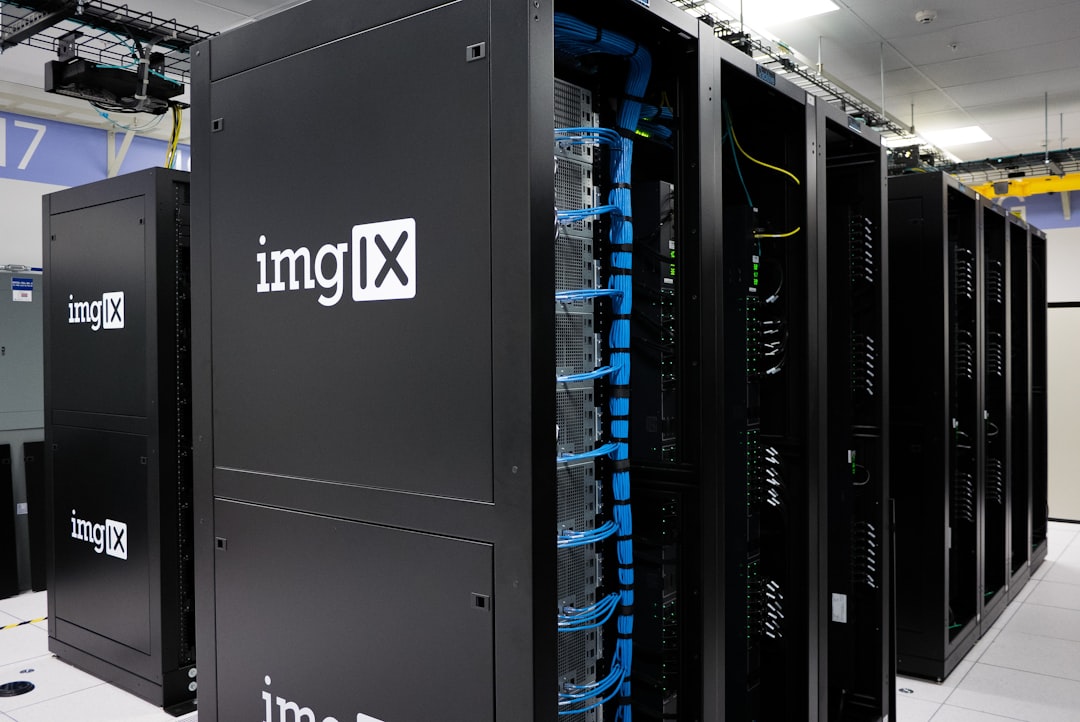
Meta has officially withdrawn from the RE100 initiative, the global project that pushes corporations toward 100% renewable energy. The decision comes after the Menlo Park giant invested in several natural gas power plants over the past twelve months, marking a sharp reversal from its public commitment in 2020 to run all operations on renewables. The move reflects the growing challenge of balancing climate goals with the soaring energy demands of data centers, which are increasingly critical for artificial intelligence development.
AI's heavy toll on data center power consumption
Modern data centers require energy levels comparable to heavy manufacturing industries. Every server needs power for computation, cooling systems, and backup batteries. With the rise of generative AI and large language models, demand has skyrocketed. Meta, like other tech titans, faces a dilemma: honor green pledges or secure the power needed to sustain its technological infrastructure. Until recently, Meta was a prominent member of RE100, an initiative led by the Climate Group that includes Apple, Google, and Microsoft among its 444 members. Now, Meta has chosen to leave the program.
Sponsored Protocol
Investments in gas plants: the Louisiana case
One clear example of this new strategy is the partnership with Entergy Corp to build seven gas-fired plants in Louisiana, delivering over 5 GW of power to the Richland Parish data center. The Climate Group confirmed that after in-depth conversations, Meta could no longer meet the technical criteria required by the initiative due to these investments. Meta is not alone in turning to fossil fuels for data center power. Google has partnered with Form Energy on 100-hour batteries, and Microsoft pursues hourly energy matching, but both have also made fossil fuel investments. However, Meta's move is more definitive, marking a public departure from a decade-old commitment.
Sponsored Protocol
Renewable infrastructure challenges and the gas alternative
Renewable energy still suffers from structural limitations: solar and wind intermittency, insufficient storage systems, and long nuclear commissioning times make it hard to meet the constant, massive demand of data centers. Natural gas, though a fossil fuel, is quicker to deploy, provides stable power, and is cleaner than coal. Until renewable infrastructure matures enough to handle the load, further withdrawals from green pledges by big tech are possible. Meta has stated it remains committed to renewable energy, but the concrete actions speak louder. AI data centers come first. For those following the industry, this is not surprising. Past promises have often yielded to business needs. The road to sustainable AI is long and full of compromises. For more on modern data center challenges, Apple's hardware deals show continued investment in computing power. Meanwhile, daily adoption of AI on Android highlights how pervasive this technology has become, with massive energy implications.
Sponsored Protocol