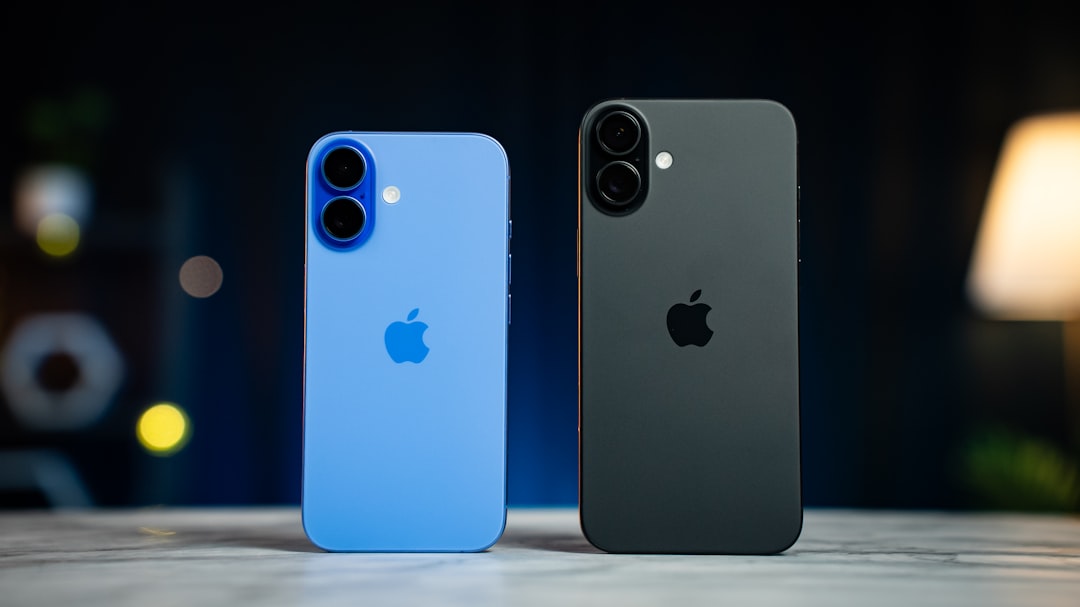
According to an earnings note released by Jeff Pu of GF Securities, the upcoming iPhone 18 Pro and iPhone 18 Pro Max could see a price increase of $250 to $300 compared to the current iPhone 17 Pro models. The analyst attributes this hike to higher production costs for the 2-nanometer chip and DRAM/NAND memory. Apple is reportedly facing a global component shortage, made worse by the rapid expansion of artificial intelligence infrastructure. This scenario might force the company to adjust the prices of its flagship smartphones, potentially impacting consumer demand.
The current prices and the comparison with previous models
Today the iPhone 17 Pro starts at $1,099, while the iPhone 17 Pro Max starts at $1,199. A $250-300 increase would bring the first model to roughly $1,350-1,400 and the second one beyond $1,450. This would not be an isolated move, as in June Apple already raised prices on iPads, Macs, HomePods, Apple TV, and Vision Pro, leaving iPhones untouched. The decision to spare phones might have been temporary, and the current cost situation makes an intervention on the Pro lineup seem inevitable.
Sponsored Protocol
The impact on Apple stock and the strategy shift
Pu has also revised his rating on Apple stock, downgrading it from buy to hold. The reason is precisely the uncertainty about demand that could derive from such a significant increase. Only in May the analyst had said that Apple could price the iPhone 18 Pro models aggressively, despite rising memory costs. This change in tone suggests that cost pressures have become stronger than expected. During the third-quarter earnings call on Thursday, outgoing CEO Tim Cook declined to comment on speculations about a possible price hike, fueling further speculation among investors.
The September launch with the first foldable iPhone
Apple is expected to unveil the iPhone 18 Pro models in September alongside its first foldable smartphone, which is estimated to cost north of $2,000. If the price hikes are confirmed, the high end of Apple's catalog would become even more exclusive. The base models such as the iPhone 18, iPhone 18e, and iPhone Air 2 are expected to arrive in spring 2027, and there are currently no clues about possible increases for those devices. Meanwhile, iOS 27 has moved the Notification Center to prioritize Siri AI, a change that accompanies the evolution of Apple's ecosystem ahead of the new releases.
Sponsored Protocol
According to experts, the main issue is the transition to the 2-nanometer manufacturing process for the chip powering the iPhone 18 Pro models. This technology delivers superior performance and better energy efficiency, but production costs are significantly higher than with previous processes. The component shortage, worsened by the demand for AI chips, is making the situation even more challenging. Competitors are facing similar difficulties, but Apple has always tried to absorb part of the costs to keep its prices competitive. With a $300 increase, that strategy could change dramatically.
Sponsored Protocol
Many independent analysts agree that a hike of this magnitude could slow down the upgrade cycle, especially in a period when inflation has already squeezed purchasing power. On the other hand, Apple can rely on a loyal customer base and a service ecosystem that makes it hard to leave the brand. The real challenge will be balancing technological innovation with economic sustainability. The market is closely watching the next steps of the Cupertino company, while regulators and the competition in the foldable smartphone space also draw attention. The final decision might only come in September, when Apple officially reveals its new devices.
Source: https://www.macrumors.com/2026/07/31/iphone-18-pro-models-300-more-expensive