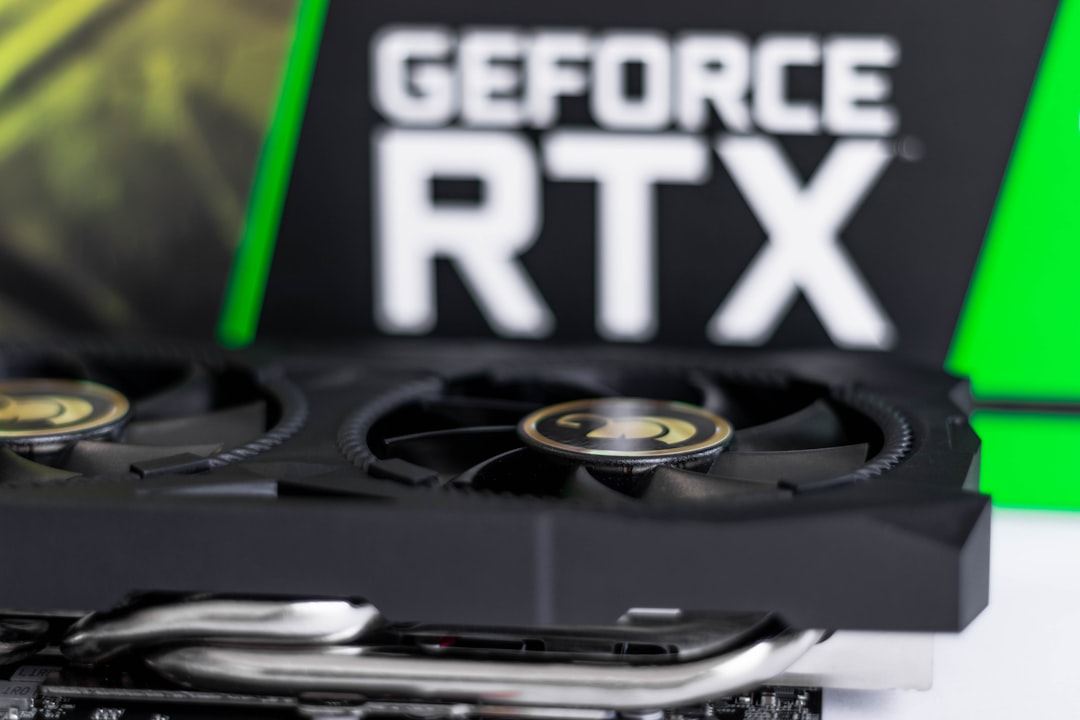
A customer in China had a dramatic start to their new GPU ownership. Right after purchasing an AX Gaming RTX 5060 Ti, they were involved in a serious car crash that totaled the vehicle and bent the graphics card in half. The driver walked away safely, and surprisingly, the GPU also managed to survive with no major electronic damage. Thanks to a technician known as Brother Zhang, the card was brought back to life after some clever repair work.
At first glance, the card looked unsalvageable. The backplate and cooler were completely destroyed, with the metal bent and the fin stack crushed. Midrange GPUs like this often don't justify expensive repairs because labor costs can exceed the value of the card. However, this particular variant of the 5060 Ti used a very short PCB that barely extended to the point of curvature. This design choice kept the internal circuitry mostly intact.
Sponsored Protocol
A makeshift cooler gives the card a second chance
Brother Zhang separated the PCB from the damaged shell and checked all the power rails for short circuits. He found no abnormal resistance, confirming that the core and memory chips were still alive. A quick test with the bare PCB produced a successful boot. For cooling, the technician straightened the bent fin stack as best he could and strapped two 120mm fans on top using zip ties. It wasn't elegant, but it was enough to keep temperatures in check.
Driver installation reveals hidden damage
The moment he tried to install drivers, the PC would black-screen and hard crash. This consistent instability pointed to a physical fault that wasn't visible during the initial inspection. Brother Zhang reopened the card and focused on the flex point of the PCB. He decided to resolder the memory chip closest to the edge, the one that had experienced the most torque. After a simple removal and reapplication, the system recognized the card as a 5060 Ti with the full 8GB of VRAM.
Sponsored Protocol
Benchmark results confirm a successful recovery
To ensure no solder bridges were left behind, the technician rechecked for short circuits before running any tests. In Furmark, temperatures peaked and stabilized at 64°C with no visual artifacts. A full 3DMark loop verified the PCIe 5.0 x8 link speeds, and the card passed with an impressive 98.9 percent stability score. During the run, it drew about 92 percent of its maximum power limit, with core temps peaking at 67°C.
Sponsored Protocol
This RTX 5060 Ti is officially a survivor. The story highlights the importance of a compact PCB design and the value of targeted repair work. For a different take on hardware reliability, check our long-term test of the SteelSeries Stratus+, which performed well on PC but failed on Android. If you're interested in how voice search is evolving, read about Google's new AI Mode toolbar for Android. The original report from Tom's Hardware documents the full repair process and confirms the card's stability under stress.