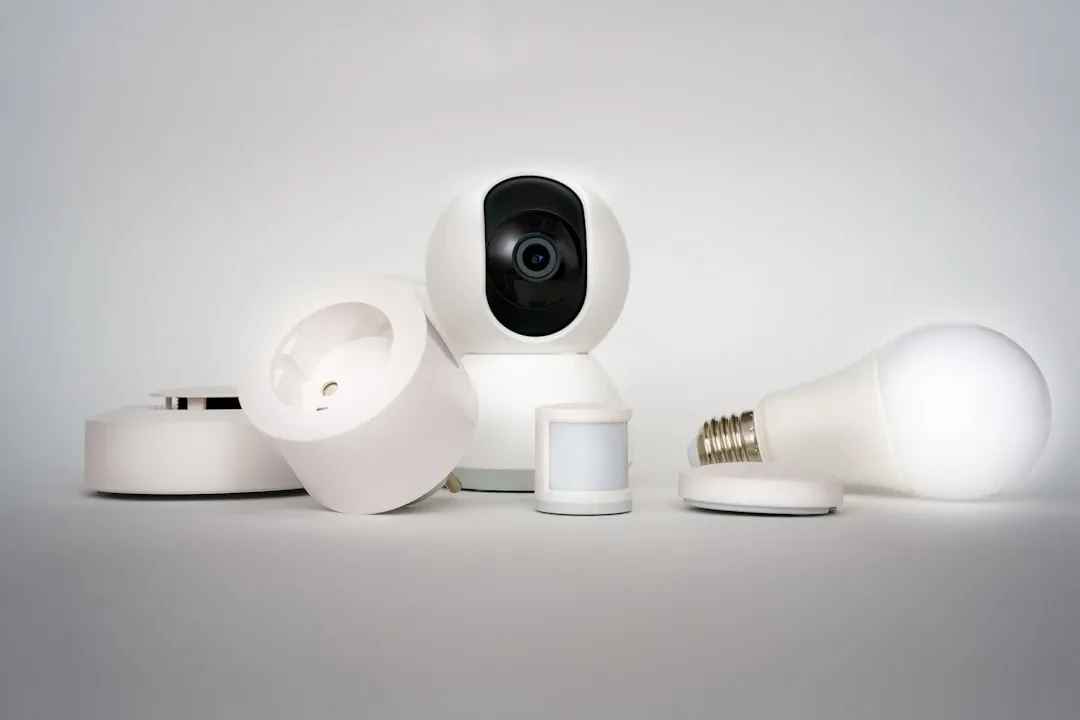
The Connectivity Standards Alliance, which counts Apple among its members, today announced Matter 1.6, the latest version of the smart home standard. This update focuses on improved device setup, better coordinated device management, and more intelligent responses to user inputs. With Matter 1.6, the smart home moves closer to seamless interoperability.
NFC Commissioning for Effortless Setup
A key addition is NFC Commissioning, which allows users to configure light bulbs, in-wall switches, and other devices before they are fully installed and powered. Simply holding a smartphone near the device initiates the setup process, offering a faster alternative to Bluetooth LE. This is especially useful for products that are difficult to access after installation, such as ceiling fixtures or recessed switches.
Joint Fabric Enables True Cross-Ecosystem Sharing
For multi-ecosystem device sharing, Matter 1.6 introduces Joint Fabric, an extension of the Enhanced Multi-Admin toolkit. Joint Fabric allows multiple user-authorized controllers to co-administer a single shared Matter network. Any device added to the Joint Fabric is accessible to all participating controllers, simplifying control for households with both Android and iOS users. There is no need to set up each device separately for every platform; a single configuration enables control from any interface or ecosystem. This aligns with the trend of accessory integration seen in recent product launches like Apple's Summer Accessory Line, which emphasizes ecosystem cohesion.
Sponsored Protocol
Thermostat Suggestions for Personalized Comfort
Another significant improvement comes in the form of Thermostat Suggestions. Controllers no longer send direct commands to change temperature or mode; instead, they submit a time-bound suggestion tied to the thermostat's supported presets. The thermostat can then react based on user preferences and environmental conditions. The CSA highlights several scenarios where this feature proves invaluable. For example, a user enrolled in a utility demand-response program can configure the thermostat to protect those commitments, preventing an automation from another ecosystem from accidentally overriding a savings event. Similarly, a user who prioritizes energy savings, humidity control, or air quality can have that setting recognized and respected across all connected services without needing to configure it in each one. Additionally, if a thermostat has just been manually adjusted, it can recognize a suggestion arriving moments later from another source and likely defer, understanding that it may not reflect the user's intent.
Sponsored Protocol
Standardized Communication and Enhanced Security Sensors
Matter 1.6 standardizes how devices communicate their capabilities and operational limits. CO and smoke alarms can now indicate when they have been removed from their installed position, and security sensors can share an event history in an interoperable way, giving ecosystems access to real-time status and past activity. This enhances overall home safety and awareness.
Sponsored Protocol
Availability and Apple's Adoption
Matter 1.6 is available for device makers and platforms to integrate into their products. However, Apple has historically been slow to adopt new Matter specifications. Matter 1.4 was announced in November 2024, but Apple Home still lacks full support for its features. With tvOS 27, Apple has implemented support for Thread 1.4, improving Matter-over-Thread connectivity. Thread credential sharing allows smart home devices to join existing Thread networks, creating a true mesh network instead of separate parallel networks across different Thread Border Routers. For a foundational understanding of the standard, refer to the Wikipedia entry. The evolution of smart home connectivity also parallels advances in other areas, such as the Qualcomm Snapdragon Reality Elite chip, which pushes toward a more connected and immersive ecosystem.
Source: https://www.macrumors.com/2026/06/17/matter-1-6-specification