Meta's reported development of an AI pendant and glowing reviews of Google's Gemini Spark mark a new chapter for wearable artificial intelligence. These devices promise to streamline daily tasks, while the venture capital landscape reveals an unprecedented frenzy, funding startups founded by teenagers barely old enough to drive.
Wearable assistants, genuine utility or fashion?
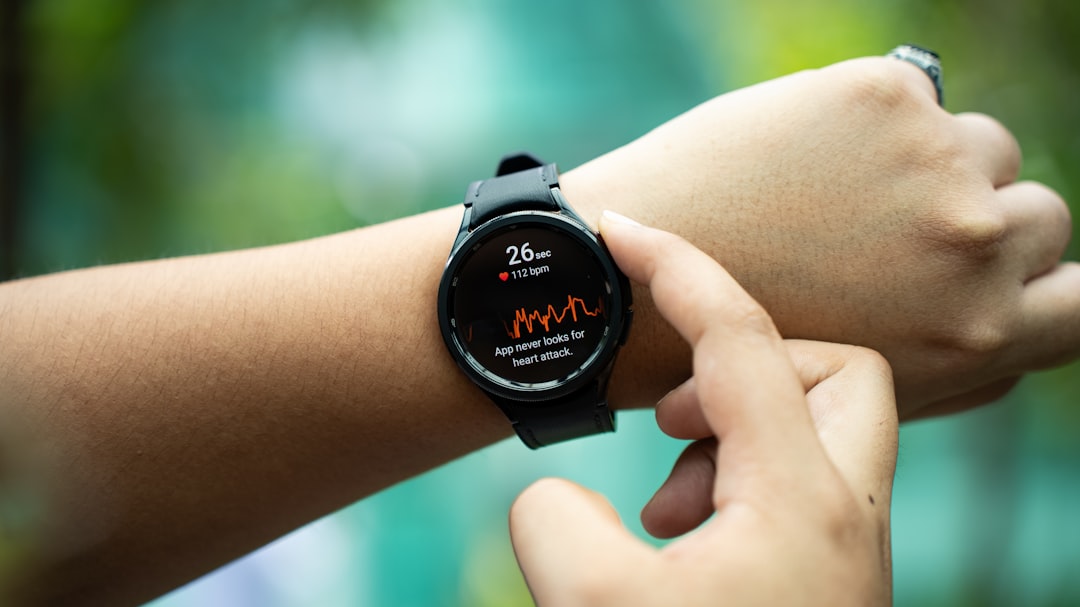
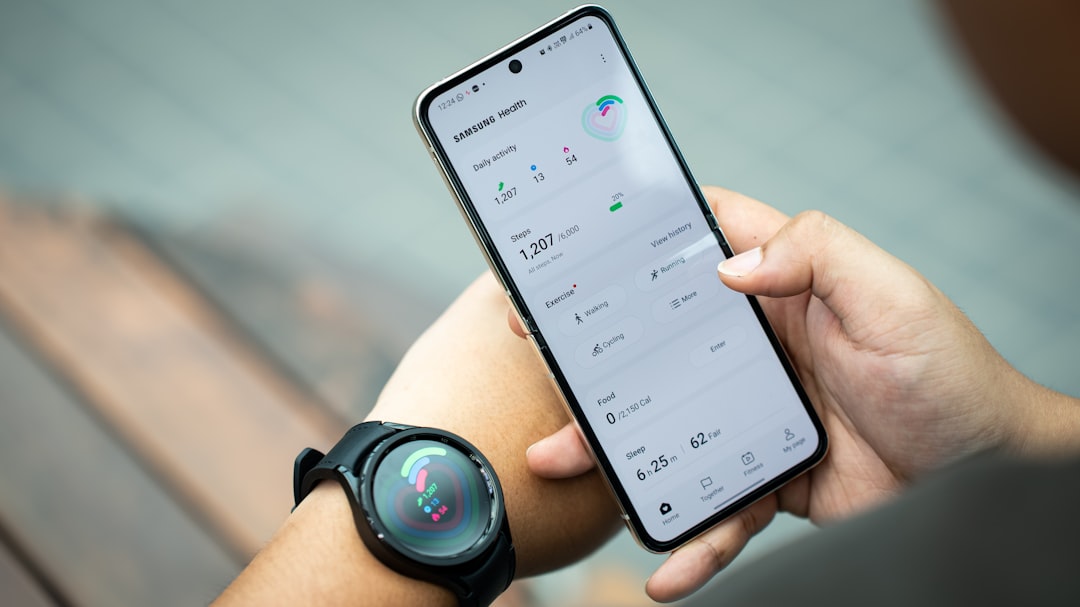
Meta's pendant, still in development, aims to embed the assistant in an always-on locket, similar to Amazon's Echo Frames but in a more discreet form. Google's Gemini Spark impressed testers with inbox summaries and local event organization, although questions linger about why Google made it a separate product. Meanwhile, Kiwibit launched an AI-powered bird feeder that identifies species and turns birdwatching into a Pokémon-like game, showing how AI finds unexpected niches.
Sponsored Protocol
The VC groupthink boom
Three top Silicon Valley VCs captured the current mood: if you are 22 in San Francisco building something in AI, a seed term sheet awaits. If you are 19, you might already have a Series A offer. This groupthink boom risks inflating speculative bubbles but also drives innovation at breakneck speed. The real bottleneck, as recent analyses show, is no longer compute power but permissions and integration into real workflows.
The article on AI agents and memory models details how security and data access are today's main limit for autonomous agents.
Ultimately, 2026 confirms itself as the year of applied AI: smart gadgets entering homes on one side, a financial ecosystem betting on everything shiny on the other. For end users, the challenge will be telling real utility from hype. An external review of Gemini Spark is available on TechCrunch.
Sponsored Protocol