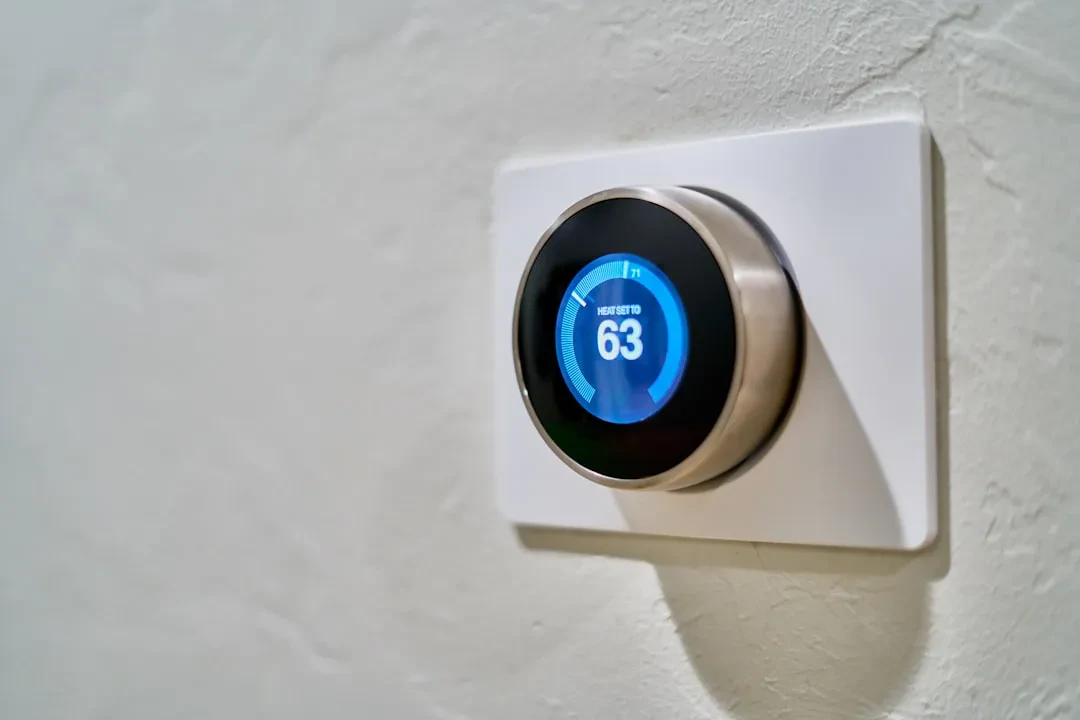
Chaos struck the Google smart home ecosystem abruptly. Yesterday afternoon, thousands of Nest system users found themselves unable to access the main app. Smart thermostats, cameras, and doorbells stopped responding to remote commands, generating a flood of reports on platforms like Downdetector and Reddit. The disconnection highlighted a fragility that many users might have forgotten in their daily smart home routine.
The most obvious paradox emerged shortly after the blackout began. The official Nest service status page, exactly the one that should serve as a reference for any anomalies, continued to show a reassuring green light. No interruptions reported. This mismatch between the reality perceived by users and the corporate communication fueled frustration and distrust. How can an app that does not work for large segments of users be recorded as operational? The question started circulating on social media, with screenshots contrasting the two sets of evidence.
Root Causes and User Reactions
The causes of the outage have not yet been officially clarified by Google. Some technical speculations point to a server-side update that may have introduced a regression in authentication permissions. Others hypothesize a denial of service attack, but there is no confirmation yet. What is certain is that users had to deal with a prolonged lack of control. Not being able to adjust the thermostat or see who rings the doorbell brought back memories of similar episodes in the past, such as the famous 2019 blackout that paralyzed the Nest system for hours.
Sponsored Protocol
Reactions were immediate and often vehement. Dependence on cloud services for smart home management proved to be a double-edged sword. Some users reported that even voice commands via Google Assistant were not working, indicating that the problem was at the core infrastructure level and not just the mobile app. Support forums filled with messages, but official responses came slowly, fueling a sense of corporate absence.
Sponsored Protocol
Implications for Smart Home Reliability
This episode is not an isolated event. In recent years, IoT service outages have shown how vulnerable the centralized model is. Modern smart home technology rests on a house of cards: a single server down can disrupt entire home ecosystems. The Nest case highlights a structural problem. Manufacturers invest heavily in features and interfaces but often overlook the resilience of the systems that should guarantee service continuity.
The mismatch with the status page adds a further layer of criticality. If users cannot trust even the official communication channel, brand loyalty erodes. For a company like Google, which aims to integrate its devices ever deeper into daily life, a mistake of this kind can have long-term consequences. In a market where alternatives like HomeKit or Amazon Alexa compete fiercely, the reputation for reliability becomes a differentiating factor.
Connecting to the broader debate about technology and its trustworthiness, it is worth remembering how similar challenges are being faced in other sectors. A recent example is the analysis of Tesla Robotaxi crash data, which showed how the road to full autonomy is fraught with setbacks. Likewise, the slow march toward absolute reliability concerns every technology we delegate to remote management.
Sponsored Protocol
The open question is whether users will continue to accept this vulnerability in exchange for convenience. Perhaps it is time to rethink the smart home model, shifting some intelligence to the local level to guarantee basic functionality even without connectivity. Google has the opportunity to respond with transparency and strengthen its infrastructure. Until then, the Nest thermostat might remain a silent reminder of how fragile our connected future truly is.
For a deeper history of Nest devices and their evolution, the Wikipedia entry is a good starting point.