The world of PC gaming in 2026 has been impacted by soaring component prices, especially RAM — a phenomenon dubbed RAMageddon. However, despite higher costs, three realistic paths remain for newcomers who want to start gaming without spending a fortune. This article explores the options: gaming handhelds, pre-built desktop PCs, and custom building your own rig.
Gaming Handhelds as a Low-Friction Entry Point
Handheld gaming consoles like the Steam Deck, Asus ROG Ally, and Lenovo Legion Go have seen price increases compared to previous years. The 512GB Steam Deck OLED now starts at around $789, while the Asus ROG Xbox Ally hovers around $600. Despite the hikes, these devices remain the easiest way to start playing PC titles. They offer portability and immediate access to platforms like Steam, with the ability to dock to a monitor or TV. Performance is limited compared to a desktop, but at 720p-1080p resolutions and low-to-medium settings, most modern games run at acceptable frame rates. The main trade-off is battery life, which drops to one or two hours during intensive gaming. For those not ready to commit to a stationary system, a handheld is a smart choice.
Sponsored Protocol
Pre-Built PCs: Convenience and Value in a Challenging Market
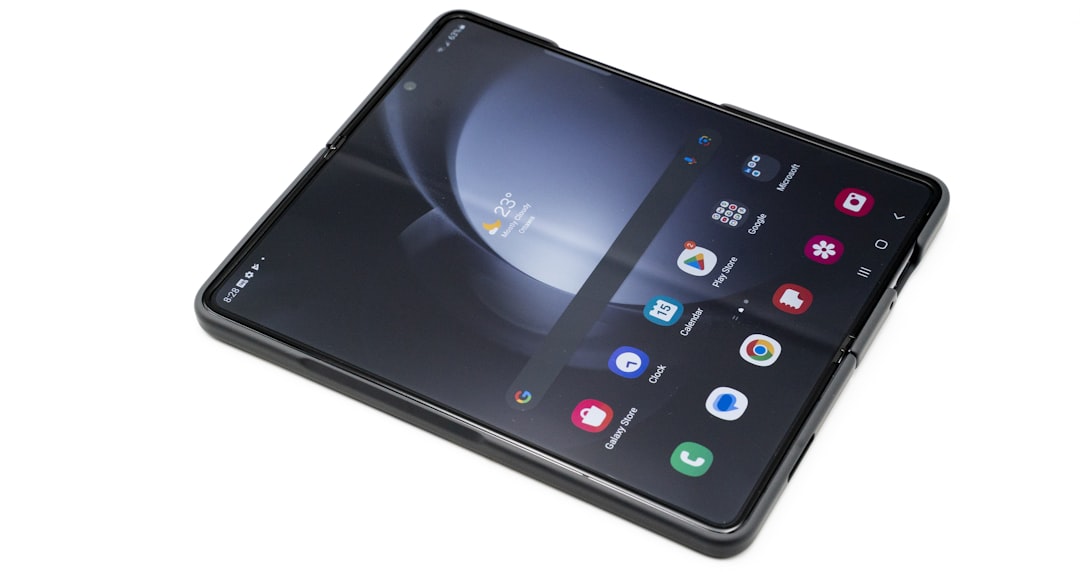
If you prefer a stationary system but lack assembly experience, pre-built PCs are a great alternative. In a market with high prices, manufacturers who buy components in bulk often offer configurations at competitive prices. A system with an RTX 5060 GPU and 32GB RAM can be found between $1,000 and $1,200, often cheaper than buying parts individually. As analyst Avi Greengart notes, in this market "buying pre-built is usually less expensive than building your own." Benefits include no assembly required, a single warranty, and professional cable management. However, you may not choose every component, and some cases limit future upgrades. It's advisable to prioritize GPU and RAM capacity over CPU brand. Reliable brands include Lenovo, iBuyPower, ABS, and CyberPower. As an example of hardware trends, the success of the Galaxy Z Fold 8 in pre-orders shows that users are willing to invest in premium devices despite high prices.
Sponsored Protocol
Building Your Own PC: Maximum Flexibility and Long-Term Control
Despite rising component costs, DIY building remains the path that offers maximum control and upgrade potential. You choose every part, from CPU to power supply, optimizing the system for your specific needs. You also learn about hardware, making future upgrades and troubleshooting easier. With the current RAM shortage, a 32GB DDR5 kit can cost $350-$470, but by taking advantage of deals or using last-generation components (AM4, DDR4), savings can be made. Compared to pre-builts, DIY requires more research and time, but pays off in flexibility and personal satisfaction. It's ideal for those with a higher budget who want a custom, long-lasting system. For more on hardware, see the Wikipedia page on gaming computers.
Sponsored Protocol
Which Path to Choose: The Decision Depends on Your Priorities
In summary, there is no universal choice. If you want to start immediately with low investment and mobility, a gaming handheld is the simplest route. If you prefer a stationary system without the hassle of assembly, a pre-built offers good value. If you want maximum control and are willing to learn, building your own is the most rewarding long-term solution. In any case, compare offers and read recent reviews before purchasing. With the right approach, PC gaming in 2026 remains accessible to everyone.