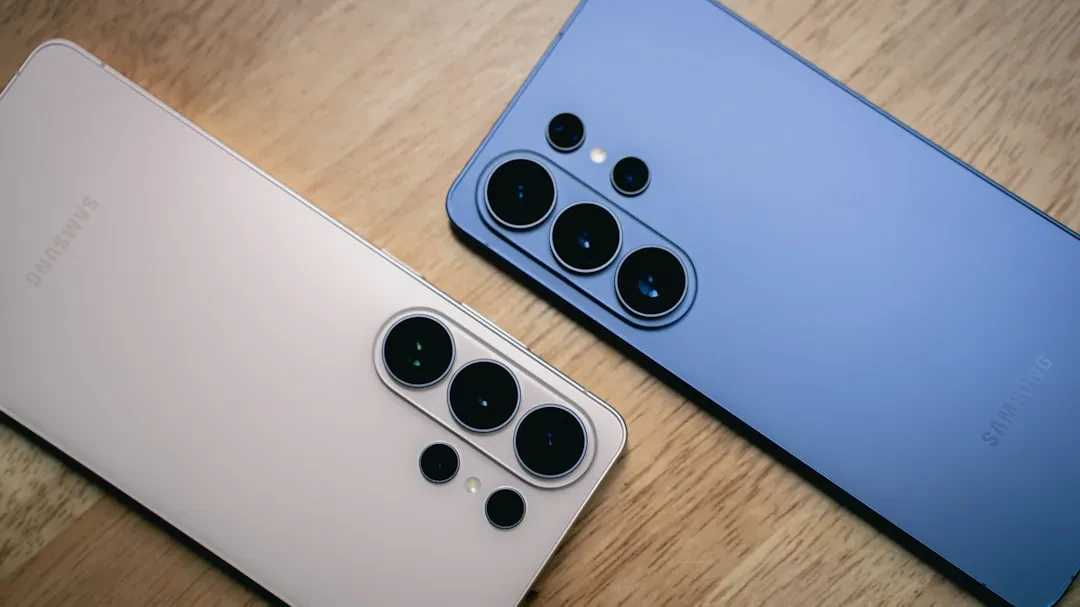
The cost of memory is severely impacting the budget smartphone market. According to a new report from research firm Omdia, the percentage of total component costs allocated to RAM in sub-$400 phones jumped from 32% in Q3 2025 to 59% in Q1 2026. This surge, driven by the soaring demand for High-Bandwidth Memory from artificial intelligence companies for their data centers, is reducing availability and increasing prices for traditional memory.
Soaring memory costs hit cheap phones hardest
The AI race is absorbing a large share of global memory chip production, leaving smartphone manufacturers facing much higher component costs. Omdia forecasts that shipments of sub-$400 phones will decline sharply in the coming months, while the above-$400 segment is expected to grow by 5.7% in 2026. In practice, consumers on a tight budget will either pay much more for modest specs or be forced to upgrade to a pricier tier. The problem is not just RAM but the entire semiconductor supply chain, already strained by trade restrictions and AI investments.
Sponsored Protocol
High-Bandwidth Memory demand for AI cannibalizes traditional memory supply
Companies like DeepSeek are designing proprietary chips to bypass US restrictions, as detailed in this article. Their strategy, along with that of other AI giants, requires massive quantities of HBM, high-bandwidth memory that uses the same wafers as conventional DRAM. This has caused a global shortage that trickles down to smartphone RAM prices. Even high-end models like the rumored iPhone 18 Pro, which is expected to be thicker to accommodate larger batteries, may feel the pinch indirectly, but premium manufacturers have more margin to absorb costs.
Sponsored Protocol
Outlook for the smartphone market in 2026: a two-speed future
The Omdia report, also covered by Android Authority, suggests the budget segment could shrink significantly. Those who cannot afford a phone above $400 will have to settle for devices with little RAM or outdated specs. Companies may need to revise product strategies, perhaps focusing on cheaper processors to offset the memory cost hike. In any case, the end consumer will foot the bill for the AI frenzy.
Source: https://www.androidauthority.com/rising-ram-costs-sub-400-smartphones-3684871