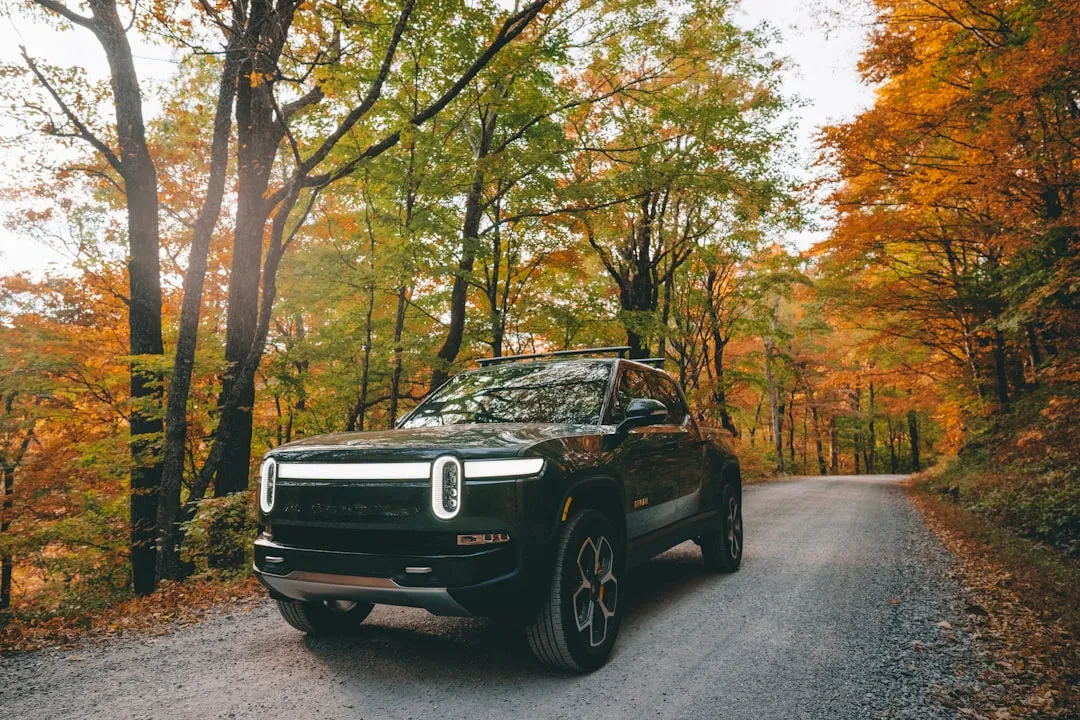
Rivian, the American electric vehicle manufacturer, is facing a class action lawsuit filed by customers who allege the company misled them about the self-driving capabilities of its early models. The lawsuit targets the first-generation R1T pickup and R1S SUV, claiming that Rivian overstated their autonomous driving potential. According to the complaint, Rivian represented that these vehicles would be capable of Level 3 autonomy, meaning the car could steer, accelerate, and brake without driver intervention. However, plaintiffs argue that the reality is starkly different.
The lawsuit states that the Gen 1 vehicles lack the necessary hardware, cameras, sensors, and computing power to enable hands-free driving or Level 3 operation. No software update, no matter how advanced, can make these vehicles perform as advertised. Rivian, the complaint alleges, knew this from the start but continued to tout these capabilities to entice buyers.
Sponsored Protocol
Rivian's Response and Recent Developments
Late last year, Rivian introduced a universal hands-free driving software update, but it was only made available for its R2 lineup and second-generation R1 vehicles. Owners of the earlier models were left out. When contacted by TechCrunch, Rivian declined to comment on the pending case. This situation raises concerns about transparency in the automotive industry regarding the emerging field of autonomous driving.
This is not the first time a manufacturer has been accused of overpromising on self-driving features. Tesla, for instance, has faced similar criticism over its Autopilot system. The difference here is that Rivian appears to have built vehicles that, by design, can never reach the promised level of autonomy, even through over-the-air updates. The implications for consumer trust are significant, especially in a market where technology evolves rapidly and expectations are high.
Sponsored Protocol
Experts note that Level 3 autonomy requires redundant sensors and advanced processing capabilities that are absent in Rivian's first generation. This lawsuit could have a ripple effect on other automakers, encouraging them to be more cautious in public statements. Meanwhile, AI and machine learning continue to advance in other fields, such as AWS's knowledge graph that learns from agents without manual curation. But on the road, full autonomy remains a distant goal.
For a deeper understanding of self-driving levels, refer to Wikipedia's article on autonomous vehicles. The Rivian case serves as a cautionary tale for the entire industry: broken promises can be costly, both legally and reputationally.