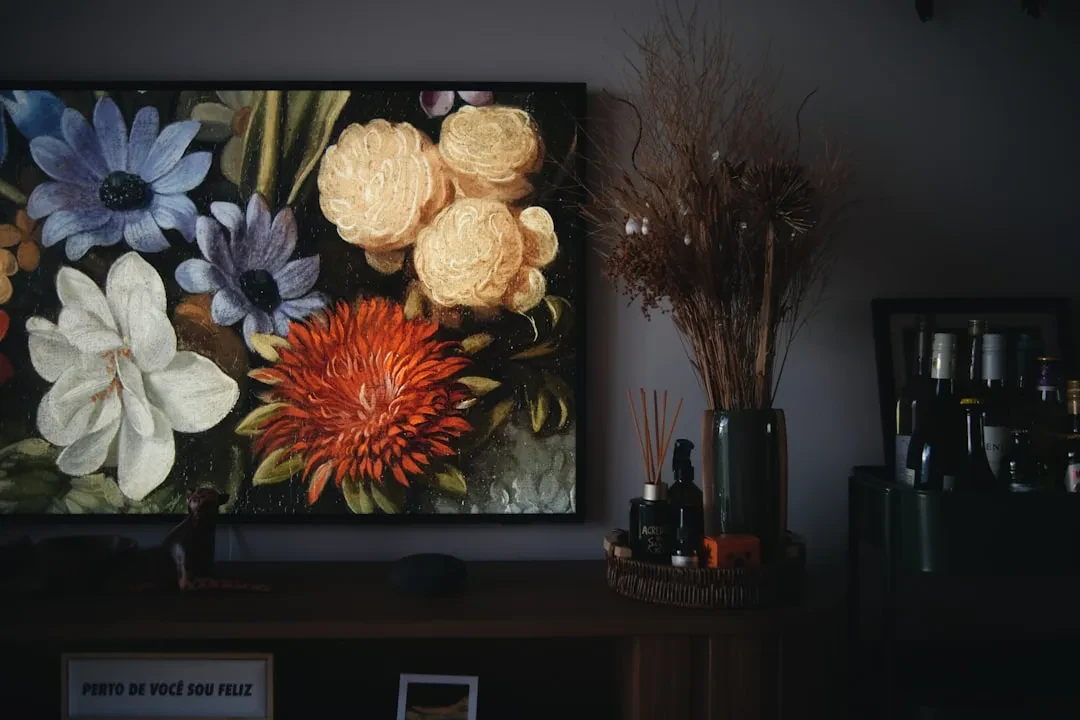
The market for art televisions is heating up. Amazon burst onto the scene with the Ember Artline, a sleek 65-inch model for only $1,100. Hisense and TCL also offer budget options. But for those seeking the best, Samsung's The Frame Pro remains king. The 2026 edition introduces a revamped user interface, additional AI features, and refined screen technology that makes artwork look even more realistic.
The two-bracket setup is relatively straightforward. A paper template helps align the screws, but a YouTube video provided an easier approach. I mounted the TV in 35 minutes, slightly longer than the 20 minutes for Ember Artline's single bracket. Once mounted, The Frame Pro sits almost flush against the wall. Foam spacers (two thicknesses) allow extending the TV outward. Unlike the Artline, accessing ports requires unmounting, but that's rare thanks to Samsung's Wireless One Connect breakout box, a wireless bridge for connecting consoles and set-top boxes without touching the TV.
Sponsored Protocol
Samsung sent the high-end Deco Burlwood wood frames (exclusive to The Frame Pro) priced at $699. Standard bezels cost $199 and come in various colors. Both snap on magnetically. The breakout box is the same as the 2025 model, supporting Wi-Fi 7 for connection to the TV, while the TV uses Wi-Fi 5 for better compatibility with built-in apps. This accessory offers flexibility and reduces cable clutter, unlike other art TVs with dangling cords. The breakout box hides discreetly in a cabinet; I connected Klipsch The Nines II speakers via HDMI eARC for Dolby Atmos.
The new One UI Tizen 2026 operating system makes setup and use more intuitive, all on the TV without SmartThings app. Finding apps and settings is easier. The only annoyance is authentication via phone or SMS to access streaming apps and art features. The remote is unchanged, with dedicated buttons for Netflix, Amazon Prime, and YouTube.
Sponsored Protocol
Anti-glare Tech and Image Quality
The most intriguing feature is the new anti-glare coating. A Star Wars AT-AT image with a dark sky and brown tints looked hyper-realistic with the matte finish. Beyond 30 free monthly images, full gallery access costs $4.99 per month. Rivals offer more value: Amazon includes 2,000 free images, TCL 350. AI art generation on The Frame Pro uses Bixby with keywords like 'contemporary' and 'landscape', while Alexa+ on Artline is more intuitive. However, image quality is where The Frame Pro excels: the Neo QLED screen outperforms Ember Artline. The new anti-glare further enhances realism; Andrew Wyeth's Christina's World appears more lifelike. Pantone calibration, exceptional contrast, and ambient light sensors ensure great performance even in bright rooms.
In benchmarks, skin tones show vibrancy lacking in other art TVs. Dark sunset scenes reveal more shadow detail. Only OLED models or projectors like Leica Cine Play 1 deliver more vibrant colors. A feature I wish Samsung would adopt is Ember Artline's video artwork, where parts of the painting animate.
Sponsored Protocol
AI Improvements for Entertainment
AI also enhances movie and show quality. On Netflix's Legends, AI processing boosted contrast in a dim scene. YouTube WIRED interviews looked clear and colorful. AI audio during World Cup matches amplifies commentator voices while reducing crowd noise. The AI Sound Controller Pro for movies is still buggy, but Dolby Atmos provides an immersive experience. However, I noticed glitches: AirPlay works, but Google Cast to stream Alien: Romulus on HBO Max errored. Overall, Samsung The Frame Pro 2026 remains the best art TV, despite the high $2,000 price.
For more on tech and innovation, read Apple Logs Every Tap in App Store and 2028 iPhones with A22 Pro Chips. For more on Samsung, visit Wikipedia.
Source: https://www.wired.com/review/samsung-the-frame-pro-2026