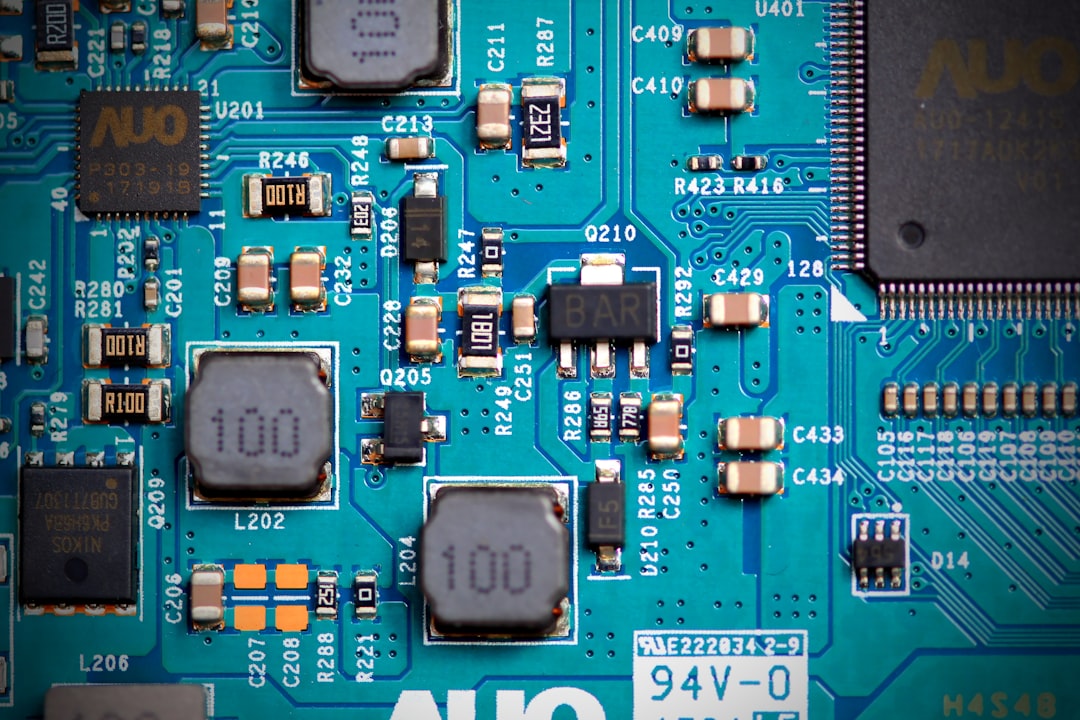
Samsung has long relied on Qualcomm processors for its premium lineup, from the Galaxy S and Galaxy Z series to Galaxy Tab S tablets, Galaxy Watch wearables, and Galaxy Book Edge laptops. However, this partnership may soon have a direct impact on consumers, as the American chipmaker has announced a price increase for its components. According to multiple international reports, Qualcomm CEO Cristiano Amon has stated that the semiconductor industry is experiencing a broad-based increase in input costs, affecting wafer fabrication, assembly, test, advanced packaging, memory, and other materials. This cost hike will inevitably lead to more expensive chipsets, and Samsung will have to decide how to manage the situation.
Rising Qualcomm Chip Costs Could Squeeze Samsung Margins
Amon's statements leave little room for interpretation. The increase in Qualcomm chip prices is now a reality, and Samsung finds itself at a strategic crossroads. On one hand, it could absorb the higher costs by accepting lower profit margins, but this solution seems unlikely given also the surge in memory prices. On the other hand, Samsung could pass the increase on to end consumers, raising the prices of smartphones, tablets, smartwatches, and laptops. This second option seems the most probable, especially for high-end devices that rely on Qualcomm chips for their superior performance. Consumers planning to buy a Galaxy S, a Galaxy Z Fold, or a Galaxy Watch may therefore have to budget more than in the past.
Sponsored Protocol
Samsung Alternatives Between Exynos and Commercial Strategies
Faced with this scenario, Samsung has another card to play, namely its in-house Exynos processors. In recent years, the company has progressively expanded the use of its own chips across various market segments, reducing dependence on Qualcomm. If the Qualcomm chip price hike becomes unsustainable, Samsung could accelerate the transition to Exynos, at least for smartphones, tablets, and wearables. This strategy would not only mitigate the impact on prices but also strengthen the company's vertical integration. However, it is not certain that Exynos can completely replace Qualcomm in flagship models, where performance and energy efficiency are crucial. Moreover, Samsung's choice will also depend on future generations of Exynos chips, which must prove competitive internationally.
Sponsored Protocol
Any price increase for Samsung devices with Qualcomm chips will have repercussions on the global smartphone and wearables market. According to analysts, even a modest price increase could reduce demand, especially in emerging markets where price sensitivity is high. On the other hand, Samsung could offset the cost increase with promotions and trade-in offers, as it has done in the past. In any case, the final decision will be made in the coming months, when Qualcomm officially announces its new price lists. In the meantime, consumers would be wise to monitor offers and assess whether to buy now or wait for further developments.
Sponsored Protocol
This is not the first time the semiconductor industry faces a price surge, but the scale of this increase could be significant. For those interested in the world of chips and memory, it is interesting to note how other companies are reacting to this trend. For example, Kioxia and Sandisk recently unveiled the world's densest 3D NAND flash, a sign of how the industry is pushing toward more efficient solutions to contain costs. Additionally, Samsung has unveiled its zHBM memory chip for AI servers, demonstrating that innovation in the sector remains high. Finally, for those following Samsung's news, it is worth recalling that the company is preparing the One UI 9.0 beta for its upcoming foldables, an update that may arrive with new pricing.