The convergence of artificial intelligence and wearable sensors is producing unprecedented innovations in personal health. Two recent announcements, from emerging startups and tech giants alike, show how the human body can be monitored and optimized in ways that seemed like science fiction just yesterday. On one side, SOND, a startup founded by Bose's former head of sleep, exits stealth with its debut product, the Dreambuds. On the other, Samsung announces a collaboration with Massachusetts General Hospital to test the Galaxy Watch 8's ability to prevent muscle loss in patients taking GLP-1 drugs such as Ozempic. Two distinct fronts, but both aim at a single goal: turning the wearable into a proactive tool for daily well-being.
Dreambuds: turning the ear into a sleep laboratory
SOND has unveiled the Dreambuds, a closed-loop in-ear system that captures a remarkable twelve physiological signals from the wearer's body. These are not simple relaxation earbuds: the device analyzes real-time parameters such as heart rate, respiratory rate, eye movements, body temperature, and even brain activity, and then actively intervenes with subtle sound stimuli or vibrations. The goal is to modify the ongoing sleep cycle, promoting deep sleep phases or waking up at the optimal moment. With an initial seed funding of 7 million dollars, SOND aims to democratize a technology that used to be confined to expensive clinical lab equipment. The system is fully standalone and does not require a smartphone or cloud connection to operate, ensuring privacy and energy efficiency. This closed-loop approach marks a departure from passive trackers that merely record data without intervening.
Sponsored Protocol
Galaxy Watch 8 against GLP-1 induced sarcopenia
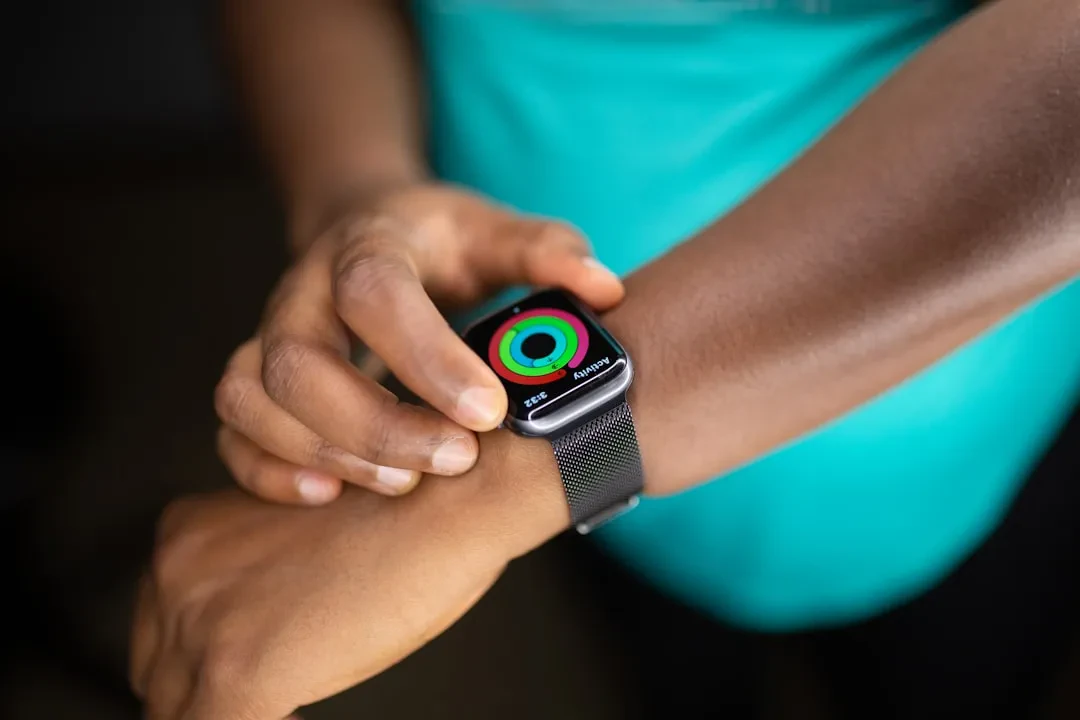
In parallel, Samsung has announced a clinical study in partnership with diabetes experts at Massachusetts General Hospital to verify how the Galaxy Watch 8 can help prevent muscle mass loss in patients undergoing therapy with GLP-1 drugs. These medications, increasingly used for managing type 2 diabetes and weight loss, have a known side effect: the reduction of lean mass alongside fat. The study's objective is to leverage the advanced sensors of the new smartwatch to monitor body composition, physical activity, and metabolic parameters, and to deliver personalized feedback to stimulate resistance training. The Galaxy Watch 8, thanks to a new bioimpedance sensor and an artificial intelligence algorithm trained on clinical data, can estimate muscle mass percentage with accuracy comparable to a lab-grade impedance scale. The results of this study could redefine the role of smartwatches in managing chronic pharmacological therapies.
Sponsored Protocol
The future of wearable health between AI and personalization
Both projects testify to a paradigm shift: wearable devices are no longer simple step counters, but become therapeutic platforms. The ability to act in real time, as the Dreambuds do, or to prevent muscle complications, as the Galaxy Watch 8 aims to do, requires an ever deeper integration between sensory hardware and machine learning algorithms. Not surprisingly, the regulation of AI in healthcare becomes crucial. As we saw with YouTube's introduction of automatic AI video labeling, discussed in a related article, transparency and reliability of algorithms are at the center of the debate. In medical devices, this debate intensifies: the Dreambuds and the Galaxy Watch 8 will need to obtain certifications and prove that their automatic actions cause no harm. The path is laid out, but the responsibility for manufacturers is immense.
Sponsored Protocol
The combination of innovative drugs like GLP-1 agonists and increasingly sophisticated wearable sensors opens unprecedented scenarios of precision medicine. Imagine a system that detects muscle loss during the night and suggests a personalized exercise program in the morning, while the Dreambuds have already optimized sleep quality to maximize recovery. This is the horizon we are moving toward, made possible by startups like SOND and giants like Samsung. For more details on the physiology of GLP-1 drugs, you can visit the Wikipedia page.
Sponsored Protocol