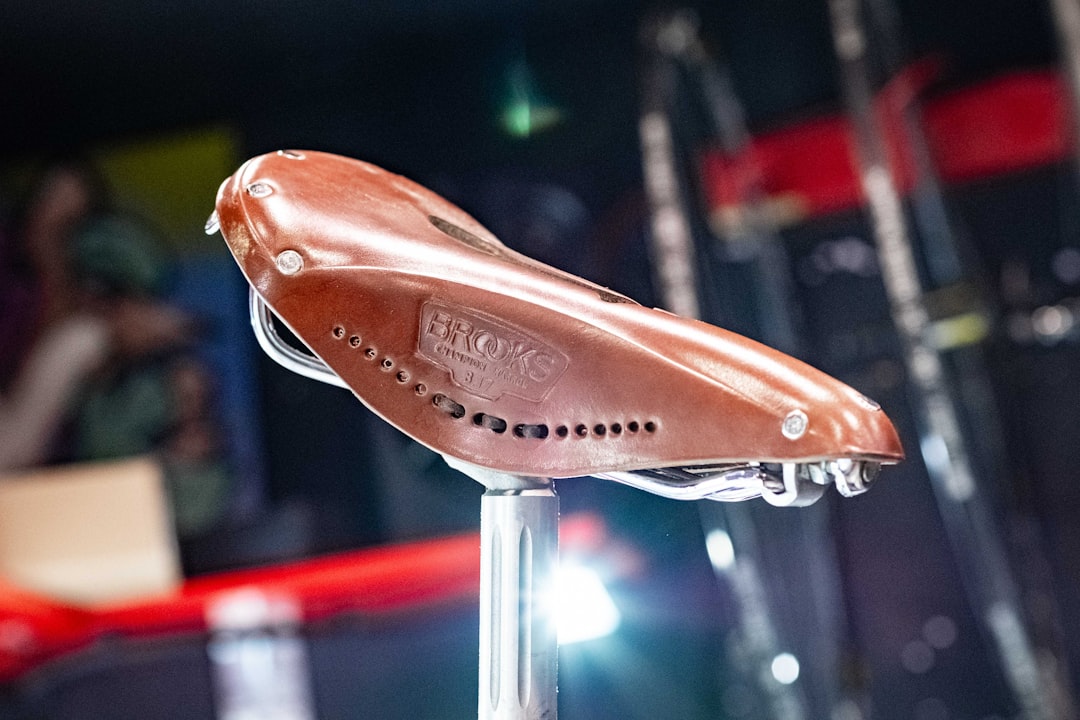
The 2026 Tour de France has already seen Tadej Pogačar build a seemingly insurmountable lead, but the Slovenian phenomenon does not rely solely on his incredible physiology. For his fifth victory bid, Pogačar uses a Fizik One-to-One 3D-printed saddle, possibly the most customized ever made. Additionally, for stage 5, UAE Team Emirates-XRG unveiled a helmet designed by artificial intelligence via the Helmetverse platform from G42. These two elements represent a leap forward in the so-called "marginal gains" that can make the difference in top-level competition.
Fizik's One-to-One 3D saddle: a shoe for the cyclist
Alex Locatelli, Head of Brand at Fizik, explains that small technological details can make a difference. Comfort is strictly related to performance: if a cyclist can forget about the saddle, they can focus entirely on the race. The One-to-One saddle goes beyond standard products: it uses proprietary pressure-mapping sensor technology to create a hyper-customized product based on the individual rider's anatomy and pedaling style. Each saddle takes about two to three weeks to produce, but for a champion like Pogačar, the process is expedited. Locatelli notes that Pogačar is enthusiastic about the product, which is rare for such a demanding athlete. The saddle represents the top of the technology pyramid and could soon be emulated by rivals. The collected data will help develop future standard saddles, making customization more accessible over time.
Sponsored Protocol
The AI-designed helmet from Helmetverse: a data-driven design
For stage 5, the team introduced a helmet designed by AI in collaboration with artist Gizem Akdag. The Helmetverse platform, developed by technology partner G42, created a design that captures the speed and energy of professional cycling. Mauro Gianetti, Team Principal, stated that the initiative pushes the boundaries of innovation and fan engagement. Fans can now submit their own designs through Helmetverse, with the winner being worn by the team at the UAE Tour in February 2027.
Sponsored Protocol
These innovations show how technology is transforming sports beyond cycling. In other disciplines like rugby, cutting-edge solutions are changing game strategies. For example, Australia hosts Italy in the Nations Championship with the Wallabies seeking redemption, an event that demonstrates how technological innovation is now pervasive in professional sports.
According to Fizik, mass customization may reach amateur cyclists within a few years. Additive manufacturing, known as 3D printing, is revolutionizing many industries, as explained on Wikipedia. The combination of a custom saddle and an AI-generated helmet gives Pogačar a concrete advantage: every watt saved and every minute comfort improvement translates into seconds gained on stages.
Sponsored Protocol
The future of cycling may see more hyper-personalized components, and it is not unlikely that the next bike we buy will be the most personal ever owned. But for now, only Tadej Pogačar can count on a unique 3D-printed saddle and an AI-designed helmet as he chases his fifth Tour de France title.