After years of anticipation, Tesla's robotaxi, the Cybercab, is set to make its official debut on Thursday in Austin, Texas, marking a critical step in Elon Musk's ambitious plan to dominate the autonomous ride-hailing market. While the vehicle itself is a remarkable feat of engineering, the true challenge lies in perfecting the software that powers it and efficiently managing a fleet of driverless cars. The company has been operating a pilot program in Austin since last summer and has expanded to several other cities in Texas and Florida, with permits to launch in Arizona and Nevada. However, the path to a fully autonomous and profitable service is fraught with technical and regulatory hurdles that Tesla is still struggling to overcome.
Cybercab Joins Texas Fleet with 51 New Vehicles
Ahead of the unveiling, Tesla added 51 Cybercabs to its fleet of vehicles registered to operate in Texas, bringing the total to 314, including 263 Model Ys. This increase suggests the company is gearing up for a significant expansion of its service. Elon Musk has fueled expectations by responding with a simple "Yes" to a question on X about whether the Cybercabs would "flood Austin." Yet, details about the event remain scarce, and the basic business model is still unclear. Will the vehicles be used exclusively for ride-hailing, or will they also be sold to individual consumers? Musk has insisted that Tesla will sell Cybercabs directly to customers by the end of 2026, but state regulations on autonomous vehicles are complex and vary widely across the country.
Sponsored Protocol
Autonomous Driving Software is the Real Test
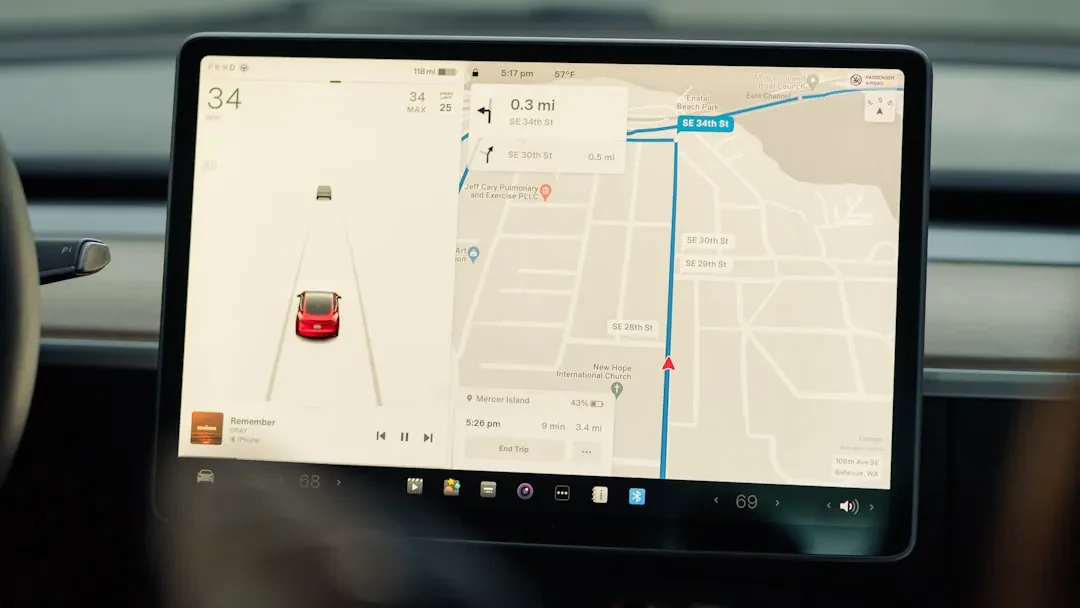
Manufacturing the Cybercab may be the easiest part of Tesla's grand plan to transform itself from a carmaker into a company focused entirely on autonomous vehicles and robotics. As Seth Goldstein, senior equity analyst at Morningstar, points out, "Longer term, the software is the most important piece. This is a very important step, to put the Cybercab in production, but ultimately, it only matters if the software can allow a car to navigate safely." Tesla's Full Self-Driving (Supervised) system, available for $99 per month, is still supervised and requires drivers to pay attention and be ready to intervene at all times. The National Highway Traffic Safety Administration (NHTSA) opened an investigation into crashes involving FSD in 2024 due to concerns about system failures in low-visibility conditions, and that probe is ongoing. This regulatory scrutiny could impact public trust and investor confidence.
Sponsored Protocol
Tesla's approach relies solely on inexpensive cameras, but Waymo, the US industry leader, has criticized this strategy, stating that "cameras are incredible, but they aren't enough." Waymo uses a more expensive combination of lidar, radar, and cameras. This technological difference could prove decisive in terms of safety and reliability.
Sponsored Protocol
Operational Management and Robotaxi Economics
Beyond technology, success in the robotaxi business also hinges on the ability to manage fleets efficiently. "These AV companies are spending so much money getting this technology in place, but in order to scale up the business, the economics come down to utilization," explains J.D. Alexander, founder of AVFleetTech, a consultancy focused on AV fleet operations. Companies need to maximize the use of their vehicles, ensuring they are on the road and picking up passengers as often as possible. Efficiency depends on how, when, and where the robots get charged, cleaned, and fixed, as well as the training and motivation of the human staff. Tesla has begun planning its logistics, using its service centers as hubs for Cybercabs, and has filed a permit for a main hub with a "cleaning robot" on site. However, details on this technology remain sparse.
In the meantime, other players like Waymo have partnered with fleet management companies such as Avis, Hertz, and Moove to streamline operations. Tesla, however, prefers to handle everything in-house, but this approach brings higher costs and complexity. Thursday's presentation of the Cybercab is a significant milestone, but as the original Wired article notes, "The physical Cybercab, then, is just a start." The most daunting challenges involve software and operations, and only time will tell if Tesla can turn its vision into reality.
Sponsored Protocol
For those interested in the latest developments in autonomous vehicles, we recommend reading about how Nvidia drivers are causing issues on some GPUs, an example of how technology can have unexpected consequences. And to stay updated on travel deals, check out Booking.com's discounts for September 2026. Also, don't miss our review of the Alienware 16X Aurora gaming laptop.
Source: https://www.wired.com/story/here-comes-the-tesla-cybercab