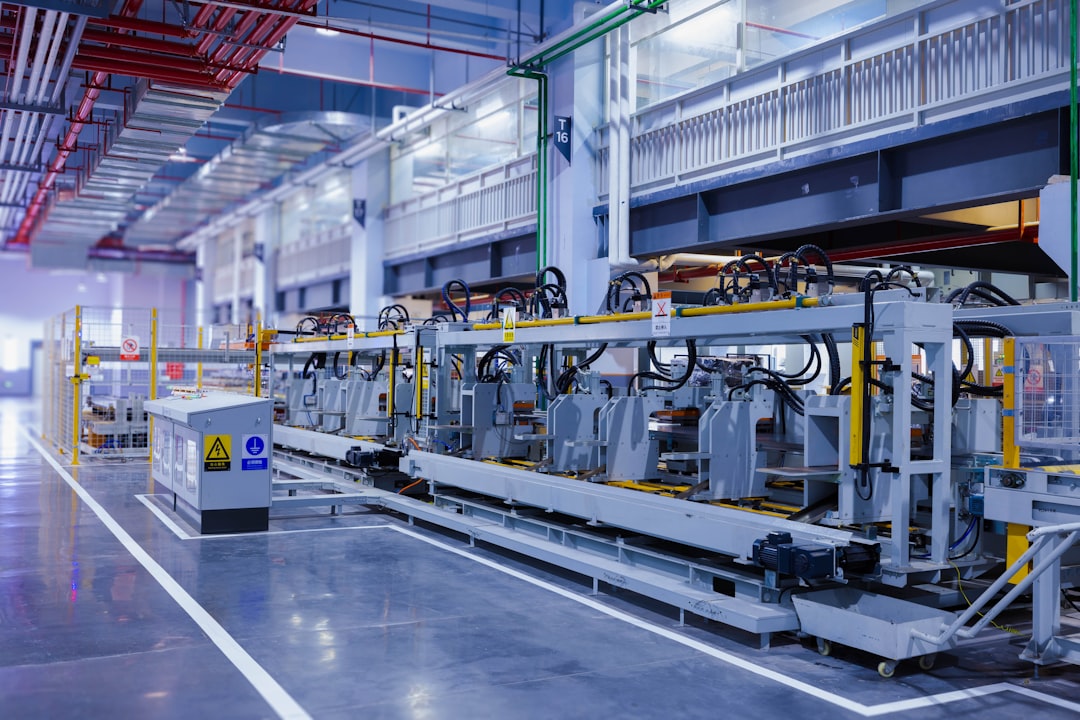
AI data centers and the rise of electric vehicles are overwhelming global electricity grids, causing unprecedented delays in power transformer manufacturing. Delivery times that before 2020 ranged from 6 to 12 months now can extend beyond 36 months for large units. The situation is so critical that utility companies are competing directly with tech giants for limited factory capacity, further lengthening wait times for everyone.
Surge in demand from AI data centers strains transformer factories
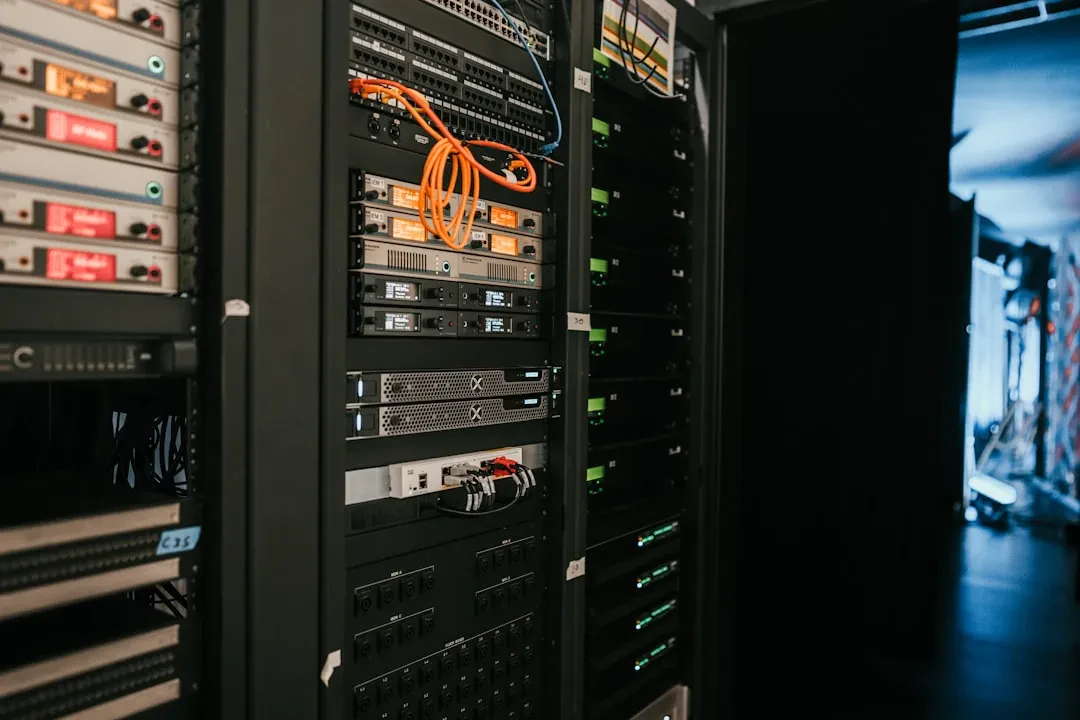
AI-focused data centers consume enormous amounts of electricity: a single facility can draw several hundred megawatts, comparable to a mid-sized city. These infrastructures require large specialized transformers, which depend on critical materials like grain-oriented electrical steel. Unfortunately, the supply of this steel remains tight and strict efficiency standards from the European Union and the U.S. Department of Energy prevent the use of alternative grades. As a result, transformer prices have climbed 50% to 80% above pre-2020 levels.
Sponsored Protocol
Electric vehicles and aging infrastructure worsen the shortage
In parallel, the adoption of electric vehicles and industrial electrification are pushing local grids to their limits. Many substations in the United States and Western Europe are 30 to 50 years old and require urgent replacement. Wind and solar farms also need step-up transformers to feed power into the grid. The combination of these factors has created an unprecedented demand that factories, constrained by skilled labor shortages and limited testing facilities, cannot meet.
Sponsored Protocol
Tech companies pay to jump the queue, harming smaller buyers
A worrying trend is the ability of large tech players, such as those developing artificial intelligence models, to pre-order years of factory output by paying upfront. This leaves smaller buyers, like local distribution grid operators, in an even longer waiting line. To illustrate, transformers rated above 100 MVA and 230 kV, which once shipped in 12 to 18 months, can now require more than 36 months for delivery.
Mitigation strategies for prolonged delays
Industry experts advise buyers to plan well ahead, secure factory slots early, and standardize technical specifications to reduce customization. Diversifying supplier relationships beyond the most congested manufacturers may offer flexibility. This crisis is structural, not temporary, and will require significant investment in production capacity. For more on the link between AI and energy consumption, see the article on Anthropic and Europe's double dependency. Additionally, tools like NotebookLM can help businesses optimize processes, but they do not solve the energy bottleneck. For a technical explanation of how transformers work, see the Wikipedia entry.
Sponsored Protocol