The market for USB-C chargers has become a maze for consumers. While the introduction of the universal connector and European regulations have simplified physical compatibility, choosing the right model remains complex. Many users find themselves with devices that charge slowly or never reach the promised speed. The issue is not just the wattage rating, but a technical specification often hidden in the details: the Extended Power Range (EPR).
The 240W EPR spec raises the bar but creates confusion
The USB Power Delivery 3.1 specification introduced EPR, which allows delivering up to 240W of power. This innovation makes it possible to charge high-performance laptops and even some monitors. However, not all chargers or cables support this extension. Products that support it are often more expensive and not always necessary for most smartphones or tablets. The lack of clear labeling on products makes it difficult for the average buyer to understand whether a charger can deliver maximum speed to their device.
Sponsored Protocol
EPR cables are the true bottleneck for fast charging
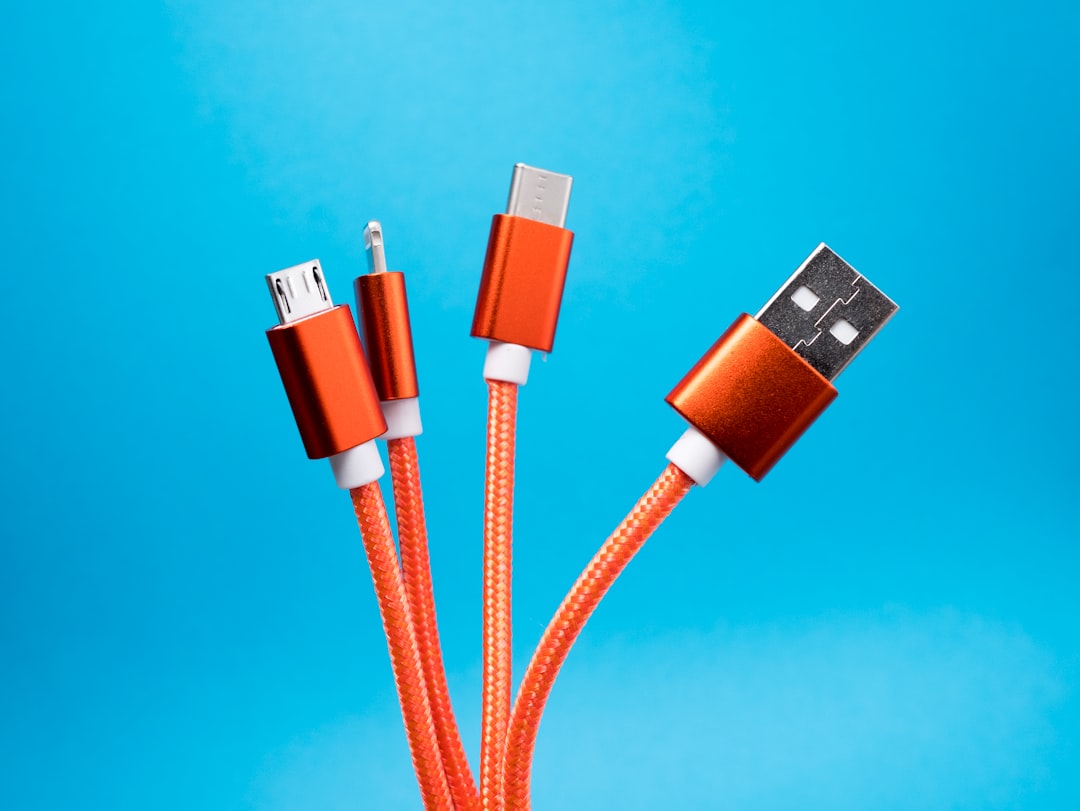
Even if you own an EPR charger, the cable plays a crucial role. Standard USB-C cables only support up to 60W, while EPR cables with an electronic chip can handle up to 240W. Using a non-compliant cable can limit charging to lower speeds or even cause overheating. It is essential to check for the EPR mark on the cable or its certification. In our article about Files by Google Safe Folder, we discussed how technology is evolving to protect data, but for charging, transparency is still far off.
EU regulations do not cover charging speed
The European Union has mandated the use of the USB-C connector to reduce electronic waste, but it has not standardized charging performance. This means two chargers with the same appearance can offer very different speeds. A cheap charger might only deliver 15W, while a branded one reaches 100W. Consumers must therefore read the technical specifications carefully, but they are often expressed in a technical and hard-to-understand way. To avoid risking damage to your device, it is better to rely on trusted brands and independent reviews.
Sponsored Protocol
How to choose the right charger for your needs
The choice of charger depends mainly on the devices you own. For a mid-range smartphone, a 25W model is more than enough. For a modern laptop, however, it is advisable to have a charger of at least 65W, preferably with EPR support. Additionally, consider the number of ports and the presence of technologies like Power Delivery PPS, which optimizes charging for Samsung and Google devices. The confusion also arises because many manufacturers do not clearly state these specifications on the packaging. A similar analysis can be done for other tech products, such as the deals on Amazon for YETI and Asics, where quality varies greatly.
Sponsored Protocol
The future of charging depends on transparent tech specs
To solve the problem, manufacturers should adopt clearer labeling, showing in a simple way the maximum power and compatibility with major standards. Online retailers could also help by filtering products based on these features. In the meantime, consumers can consult specialized sites and databases like those of the USB-IF to verify certifications. Fast charging is one of those technologies that improves daily life, but only if you have the right information. For more on how file management is becoming safer, refer to our article on Google and the content ownership debate.
Source: https://www.androidauthority.com/usb-c-charger-need-to-know-before-buying-3694333