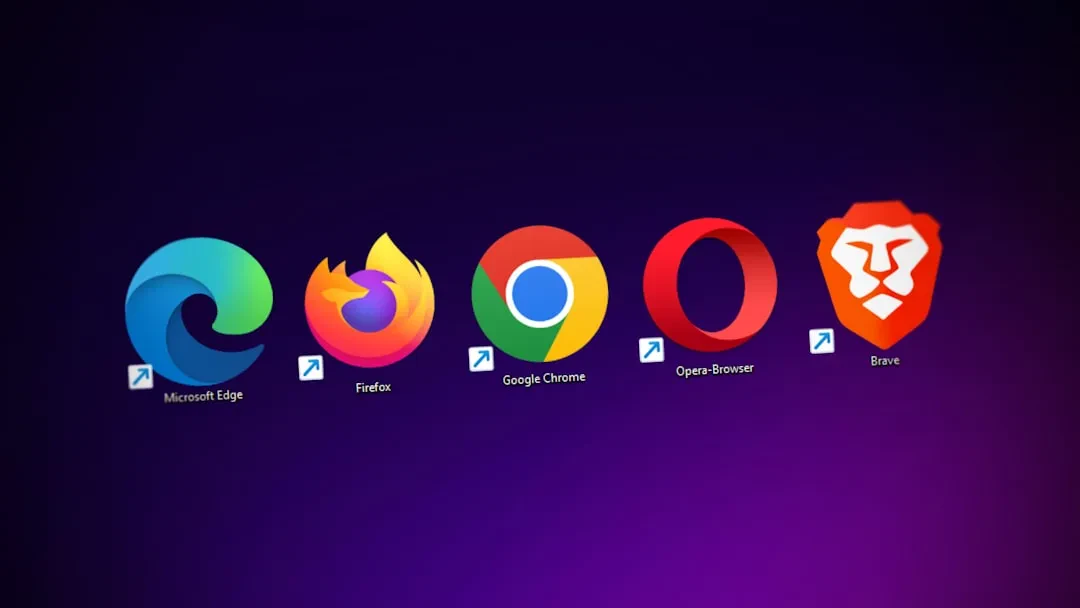
The browser landscape in 2026 is buzzing. While Google Chrome and Apple Safari still hold the largest shares, a wave of challengers is reshaping how we browse. Arc, Sidekick, Vivaldi, Brave, and Opera are among the names gaining traction, pushing incumbents to evolve faster than ever.
Why Users Are Switching
Privacy concerns are a major driver. Users are tired of being tracked, and browsers like Brave offer built-in ad blocking and crypto rewards. Others seek productivity: Arc reimagines tabs with vertical stacks and spaces, Sidekick integrates apps and notes into the sidebar, and Vivaldi lets you tweak every pixel. These alternatives prove that the browser can be more than a window to the web it can be a workspace.
Sponsored Protocol
What It Means for Developers
Testing across multiple engines is no longer optional. Developers must ensure compatibility with Chromium, WebKit, and emerging engines like the one powering Arc. This fragmentation echoes the early browser wars but with modern performance. Features like native AI assistants in Opera and enhanced privacy in Firefox are setting new standards. For context on how tech trends converge, see the rise of Meta AI Pendant as another sign of rapid innovation.
Sponsored Protocol
Concrete Market Implications
Chrome’s dominance via Chromium remains strong, but competition forces Google to accelerate updates. Apple faces criticism for Safari’s limited compatibility. Enterprises are investing in custom browsers for work, knowing the browser is the new operating system. If this trend continues, market share redistribution could happen by 2027. Read the full analysis on TechCrunch.