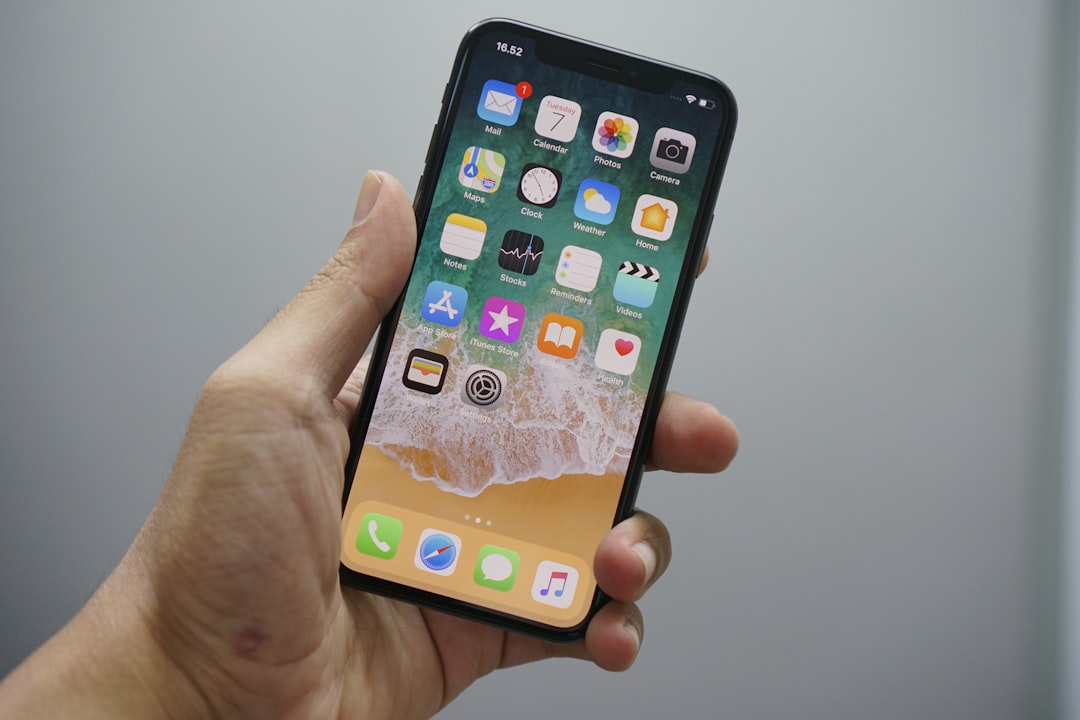
This week marks a major turning point for Apple, with the release of the first public betas of iOS 27 and a high-profile lawsuit against OpenAI. Users worldwide can finally try the new operating system, which introduces significant improvements to the Siri AI assistant and a host of long-awaited features. Meanwhile, Cupertino has filed a lawsuit against OpenAI, accusing it of stealing trade secrets related to AI development. Additionally, as tradition dictates, the "Back to School" offer for students and teachers has underwhelmed, drawing criticism from observers.
iOS 27 Public Beta: Siri AI and New Features Take Center Stage
The public betas of iOS 27 are now available to all users enrolled in Apple's beta program, marking an important step forward for the company's mobile ecosystem. The most anticipated feature is the advanced integration of Siri with generative artificial intelligence, promising more natural conversations, contextual capabilities, and smarter management of daily tasks. Early hands-on tests reveal that Siri can now handle complex requests, such as "show me photos from my last trip to Rome and create a shared album," and interact with third-party apps more deeply. Additionally, iOS 27 introduces new lock screen widgets, a redesigned Control Center, and privacy improvements, such as the ability to grant temporary location permissions. According to experts, this version represents the biggest evolution of Siri since its debut, thanks to the use of advanced language models that make the assistant much more responsive and accurate.
Sponsored Protocol
Apple Sues OpenAI: Allegations of Trade Secrets Theft
Parallel to the beta launch, Apple has initiated legal action against OpenAI, alleging that the San Francisco company illegally acquired and used confidential information about Apple's AI projects. The lawsuit, filed in a California federal court, claims that OpenAI recruited former Apple employees who brought sensitive documents regarding the development of Siri and machine learning technologies. Apple is seeking unspecified damages and an injunction preventing OpenAI from using such information. This case fits into a broader context of tensions between the two companies, already rivals in the generative AI space. The news has shaken the tech industry, with many analysts highlighting how intellectual property protection is becoming a priority for big tech. According to sources close to the case, Apple has gathered digital evidence demonstrating data transfer through unauthorized channels. The first hearings are now awaited, and they could set an important precedent for AI regulation.
Sponsored Protocol
Disappointing Back to School Offer: Few Perks for Students
As every year, Apple has launched its "Back to School" promotion for students and teachers, but enthusiasm has been lukewarm. This year, the offer includes a €150 gift card for the purchase of a Mac or iPad, while incentives for accessories like AirPods are even smaller. Compared to past editions, which often included free subscriptions to Apple Music or other services, the 2026 offer appears less competitive. Many critics point out that inflation and rising device costs should have prompted Apple to offer larger discounts or richer bundles. Moreover, the absence of promotions for Apple Watch or iPhone has disappointed those hoping for an extended offer. Despite this, the traditional campaign remains a fixture for back-to-school shopping, and according to analysts, sales may still benefit from the upcoming OLED iPad Mini expected in October, as covered in a related article. In summary, this week has placed Apple at the center of three major stories: software innovation, a legal battle, and a commercial promotion that leaves a bitter taste.
Sponsored Protocol
For more on iOS 27 and the OpenAI lawsuit, check out our articles on Apple TV for Android and the OLED iPad Mini. For further details on the legal case, refer to authoritative sources such as Wikipedia or specialized news outlets.