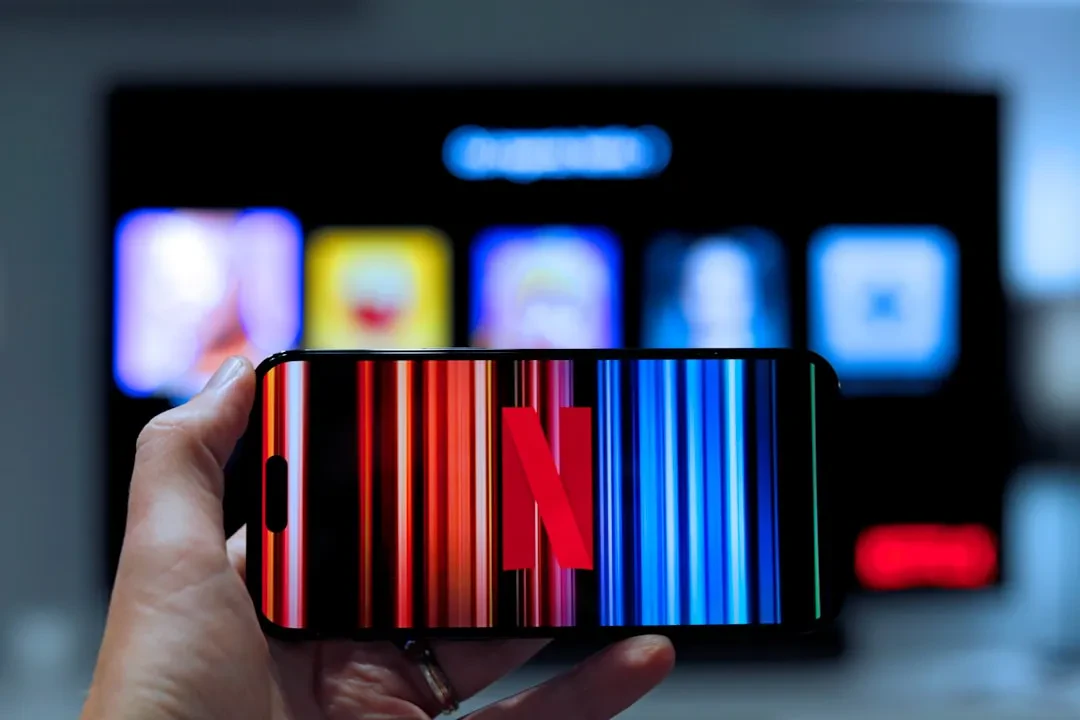
In recent months, a heated debate has been growing among Netflix subscribers. Many users suspect the streaming platform is deliberately compressing or reducing picture quality, perhaps to save bandwidth or to push users toward more expensive plans. If you have also noticed a drop in sharpness for your favorite movies and series, you might be right. There is a little known method to check whether Netflix is actually degrading your account's video quality. The solution is surprisingly technical and involves connecting a keyboard to your TV, an operation that may sound more complicated than it actually is.
Why Netflix might lower video quality The reasons behind a possible reduction in quality can be multiple. Video compression is a common practice to manage network load, but in some cases Netflix may apply stricter limits for certain pricing tiers. For example, the Basic with ads plan caps resolution at 720p, Standard at 1080p, and Premium at 4K with HDR. However, some users report that even on higher plans, the perceived quality is below expectations. This could stem from adaptive bitrate policies that prioritize streaming stability over sharpness, or from actual server side adjustments that limit the maximum bitrate for specific content.
Sponsored Protocol
The secret method to check Netflix quality
To unmask a potential downgrade, Netflix has integrated a hidden debug menu accessible only via a physical keyboard. By connecting a USB or Bluetooth keyboard to your TV (smart TV, Android TV, Apple TV, or even a console) you can press a key combination to display detailed information about the ongoing stream. The main shortcuts are Ctrl+Shift+Alt+D on Windows and Mac, or Shift+Alt+D on some devices. Once the panel is activated, you will see overlaid data such as current resolution, video and audio bitrate, codec used, and buffer percentage. If you notice the resolution is lower than your plan's or the bitrate is very low, you have proof that Netflix is reducing quality.
Sponsored Protocol
Not all TVs support this shortcut, and on some systems you may need to enable developer mode. Still, it is the most reliable tool for an objective diagnosis. Another indirect indicator is the presence of compression artifacts, such as banding in dark areas or blurriness in fine details. If you spot these signs, a downgrade is likely.
How to interpret the data and what to do
Once you have the data, compare them with your plan specifications. For instance, if you are a Premium 4K subscriber and see a resolution of 1920x1080 with bitrate below 15 Mbps, Netflix is probably capping quality. In that case, you can try contacting support and ask for explanations, or tweak playback settings in your account (though options are limited). Some users have fixed the issue by disabling auto play or using a stable Ethernet connection. Also, keep an eye on regulatory developments: in some countries authorities are investigating transparency practices of streaming services.
Sponsored Protocol
To dive deeper into the topic of video compression used by providers, check out the Wikipedia page on video compression. If you want to boost your SEO and data analysis skills, I recommend our comprehensive guide on Google Tag Manager, a useful tool for tracking events and similar metrics. Finally, to stay updated on cybersecurity threats that could affect your streaming devices, take a look at the article about the critical Linux kernel vulnerability.
In conclusion, the suspicion of a Netflix quality downgrade is not unfounded. With a little patience and a connected keyboard, you can obtain definitive proof. Transparency is a user right, and knowing these techniques allows you to make informed choices about your subscription.
Source: https://www.engadget.com/2190982/how-to-see-if-netflix-is-downgrading-your-picture-quality