Adult life is often a balancing act between responsibilities and the desire for free time. In this context, consumer electronics are finding a new frontier in the kitchen, transforming once-banal appliances into intelligent assistants. A recent deep dive by TechCrunch highlighted six gadgets that promise to make daily household management easier. This is not just about convenience but a genuine evolution in how we interact with food and the home.
Among the most interesting devices is a robot that can autonomously stir soups and sauces, eliminating the need to watch the pot. This technology, based on temperature sensors and control algorithms, delivers consistent results without stress. Alongside this, the bread machine remains a modernized classic, now integrating Wi-Fi connectivity and apps to customize recipes and schedule baking remotely. The trend is clear: embedded artificial intelligence is entering every corner of the home, and the kitchen is the new battleground for consumer electronics makers.
Sponsored Protocol
The rise of connected culinary assistants
The integration of IoT sensors and machine learning allows these gadgets to learn user preferences. A high-end coffee maker, for example, can automatically adjust grind and temperature based on the bean type, while a smart oven can recognize a dish through an internal camera and set the ideal cooking program. These devices not only simplify meal preparation but also reduce food waste, a growing concern in modern society. However, connectivity brings privacy worries, a topic already addressed in other sectors like Amazon's wearable, where convenience clashes with sensitive data collection.
Another featured gadget is a smart fermentation system for yogurt and kefir, which monitors pH and temperature for perfect results. The precision offered by these appliances is made possible by increasingly powerful microcontrollers and PID control algorithms. For those seeking a more traditional experience with a modern twist, there are digital scales connected to online recipe databases that guide users step-by-step through complex dishes. The ecosystem is expanding, with companies competing to create the most automated and user-friendly kitchen.
Sponsored Protocol
Implications for the future of daily life
Adopting these gadgets is not a passing fad but reflects a deeper societal shift. While the industrialization of the home kitchen was a dream of the 1950s, today it is an accessible reality thanks to the miniaturization of electronic components. The ability to control one's kitchen from a smartphone, much like managing wireless charging stations that optimize energy, becomes a natural extension of the smart home. But the real leap forward will come when these tools communicate with each other, creating an integrated ecosystem capable of managing shopping, storage, and cooking autonomously.
Sponsored Protocol
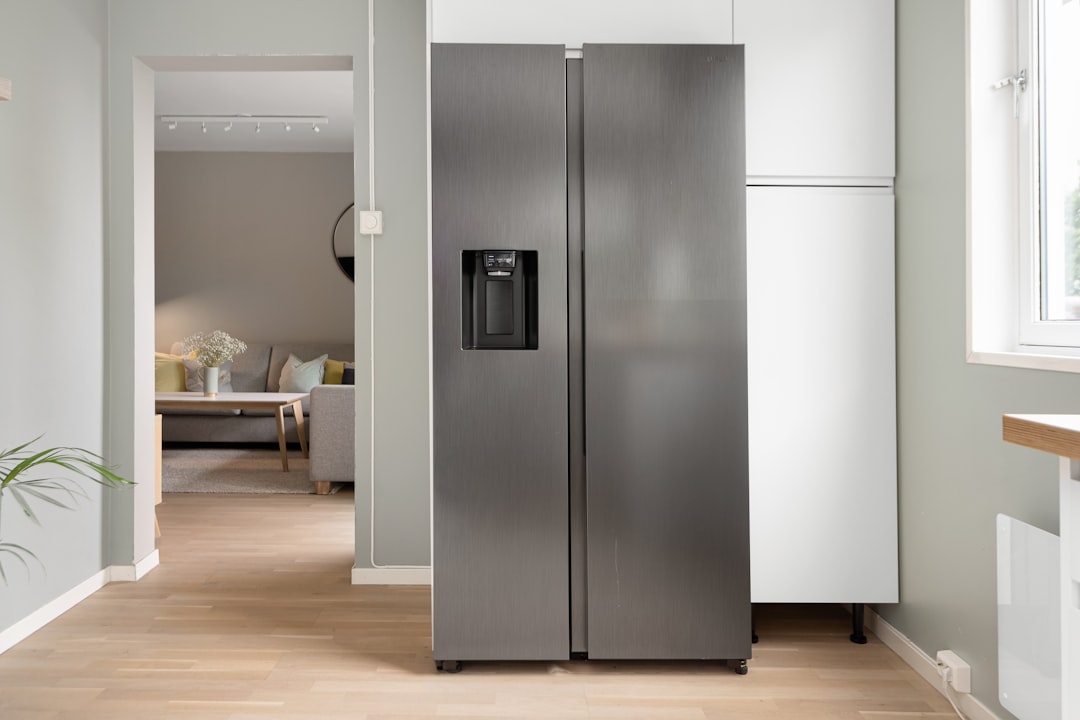
Looking ahead, we will likely see a convergence between kitchen appliances and delivery services, with smart refrigerators automatically ordering missing ingredients. To explore the technological foundations of these systems, refer to the Wikipedia page on smart appliances. The main challenges remain standardization of communication protocols and cybersecurity, but the potential to improve quality of life is enormous. In a world where time is the most precious commodity, delegating food preparation to reliable machines is no longer a luxury but a conscious choice to simplify adulthood.